Your body is constantly communicating with you through sensations, yet most of us have lost the ability to truly listen and understand these vital messages.

In our fast-paced, digitally dominated world, we’ve become increasingly disconnected from our physical selves. We rush through days ignoring tension in our shoulders, butterflies in our stomachs, or tightness in our chests. These bodily sensations aren’t merely random occurrences—they’re a sophisticated internal guidance system that, when properly understood and mapped, can transform your health, emotional wellbeing, and overall quality of life.
Bodily sensation mapping is an emerging practice that bridges ancient wisdom with modern neuroscience, offering a practical pathway to heightened self-awareness and improved physical and mental health. This comprehensive approach teaches you to systematically observe, document, and interpret the signals your body sends throughout the day, creating a personalized map of your internal landscape.
🧠 The Science Behind Body Sensation Mapping
Our bodies possess an extraordinary network of sensory receptors that constantly relay information to our brains. These interoceptive signals—our awareness of internal bodily states—play a crucial role in everything from decision-making to emotional regulation. Recent neuroscientific research has revealed that people with greater interoceptive awareness tend to have better emotional intelligence, reduced anxiety, and improved overall wellbeing.
The insula, a region deep within the cerebral cortex, serves as the primary hub for processing bodily sensations. When we practice sensation mapping, we’re essentially training this area to become more sensitive and responsive. Studies using functional MRI scans have shown that regular body awareness practices can actually increase gray matter density in the insula, enhancing our capacity to read and respond to internal signals.
Furthermore, the vagus nerve—the longest cranial nerve in your body—acts as a superhighway of communication between your brain and organs. By tuning into bodily sensations, you’re tapping into this vast information network, accessing data about your stress levels, digestive health, cardiovascular function, and emotional state.
Why Traditional Awareness Practices Fall Short
Many mindfulness and meditation techniques encourage body awareness, but they often lack the systematic, personalized approach that sensation mapping provides. Generic body scans might ask you to notice sensations, but they don’t teach you to track patterns, identify triggers, or create actionable insights from your observations.
Bodily sensation mapping differs by emphasizing documentation and pattern recognition. Rather than simply noticing that your chest feels tight during meditation, you learn to track when this sensation occurs, what preceded it, how intense it is, and how it evolves over time. This data-driven approach transforms vague awareness into practical wisdom you can apply to daily life.
Getting Started: The Fundamentals of Sensation Mapping 🗺️
Beginning your sensation mapping journey doesn’t require expensive equipment or extensive training. The most important tool is your attention, coupled with a commitment to regular practice. Here’s how to establish your foundation:
Establishing Your Baseline Awareness
Before you can map changes and patterns, you need to understand your body’s typical state. Spend the first week simply observing without judgment. Set reminders on your phone to pause three to five times daily and conduct a quick body check. Notice temperature, tension, energy levels, and any distinctive sensations in different body regions.
Start with major body zones: head and face, neck and shoulders, chest and heart area, abdomen and digestive system, lower back and pelvis, arms and hands, legs and feet. As you become more practiced, you’ll naturally develop greater granularity in your observations.
Creating Your Personal Sensation Vocabulary
One challenge in sensation mapping is finding language to describe internal experiences. While we have rich vocabularies for visual experiences, bodily sensations often leave us grasping for words. Develop your personal lexicon by experimenting with descriptors:
- Temperature: hot, warm, cool, cold, burning, icy, neutral
- Pressure: tight, constricted, heavy, light, expansive, compressed, empty, full
- Movement: fluttering, pulsing, flowing, stuck, vibrating, throbbing, tingling
- Texture: smooth, rough, sharp, dull, fuzzy, crystalline
- Intensity: subtle, moderate, strong, overwhelming
Don’t limit yourself to conventional descriptions. If a sensation feels “sparkly” or “muddy” to you, use those terms. Your map should speak your language.
Advanced Mapping Techniques for Deeper Insights
Once you’ve established basic awareness, you can employ more sophisticated mapping strategies that reveal the intricate connections between your physical sensations, emotions, thoughts, and behaviors.
Temporal Pattern Tracking
Many bodily sensations follow predictable patterns related to time of day, meal timing, sleep cycles, or menstrual cycles. By tracking sensations over weeks and months, you’ll identify these rhythms. Perhaps you notice consistent tension in your jaw every afternoon around 3 PM, or digestive discomfort regularly occurring after eating specific foods.
Create a simple tracking system—whether digital or paper-based—that allows you to log observations with timestamps. Over time, patterns will emerge that provide actionable insights. That 3 PM jaw tension might correlate with afternoon stress peaks, suggesting the need for a brief break or relaxation technique at that time.
Emotional-Physical Connection Mapping 💭
Perhaps the most transformative aspect of sensation mapping is discovering the intimate relationship between emotions and physical sensations. Emotions aren’t just mental experiences—they’re embodied phenomena with distinctive physical signatures.
Anxiety might manifest as chest tightness, rapid heartbeat, or shallow breathing. Anger could appear as heat in your face, tension in your fists, or pressure in your temples. Sadness often brings heaviness in the chest, fatigue in the limbs, or a sensation of emptiness in the abdomen.
By mapping these connections, you gain early warning systems for emotional states. Instead of being overwhelmed by anxiety that seems to come from nowhere, you recognize the subtle chest tightness that precedes it, allowing for early intervention with calming techniques.
Trigger and Response Documentation
Environmental factors, social interactions, activities, and thoughts all influence bodily sensations. Systematic tracking reveals these cause-and-effect relationships. You might discover that certain people consistently trigger tension in your shoulders, that specific work tasks create headaches, or that particular thoughts generate stomach discomfort.
This awareness empowers you to make informed choices about your environment, relationships, and habits. Armed with data about what affects your body negatively or positively, you can consciously shape your life toward greater wellbeing.
Practical Applications That Transform Daily Life ✨
The true value of sensation mapping lies in its practical applications. This isn’t merely an intellectual exercise—it’s a tool that can fundamentally improve how you navigate the world.
Enhanced Stress Management
Chronic stress damages health, but it often accumulates gradually, beneath conscious awareness. Sensation mapping helps you catch stress early, when tension first appears in your shoulders or when your breathing becomes shallow. These early signals become opportunities for intervention—taking a walk, practicing breathing exercises, or addressing the source of stress—before it escalates into more serious problems.
Improved Physical Health and Pain Management
Many people live with chronic pain or recurring physical discomfort. Sensation mapping can help identify patterns and triggers that medical professionals might miss during brief appointments. You might discover that your back pain worsens after sitting in a particular chair, or that your headaches correlate with dehydration rather than stress.
This detailed self-knowledge makes you a better advocate in healthcare settings, providing doctors with specific, useful information rather than vague complaints. Additionally, the practice of observing pain without judgment—a key component of sensation mapping—has been shown to reduce pain perception and suffering.
Better Decision-Making Through Gut Feelings
The phrase “gut feeling” reflects genuine physiological wisdom. Your enteric nervous system, sometimes called the “second brain,” processes information and generates sensations that influence decisions. People who are more attuned to their bodily sensations tend to make better choices in complex, ambiguous situations.
Sensation mapping trains you to recognize and trust these somatic signals. When considering a job offer, you might notice your chest expanding with excitement or constricting with dread. When meeting someone new, you might feel warmth and openness or subtle tension and guardedness. These bodily responses, properly interpreted, provide valuable decision-making data that complements rational analysis.
Overcoming Common Challenges and Obstacles 🚧
Like any skill worth developing, sensation mapping comes with challenges. Understanding these obstacles helps you navigate them successfully.
Information Overload and Paralysis
When you first tune into bodily sensations, you might feel overwhelmed by the sheer volume of information. Your body is always experiencing something—multiple sensations competing for attention. This can lead to analysis paralysis or abandoning the practice altogether.
The solution is to start small and specific. Rather than trying to map your entire body all day long, begin with one body area during one specific daily activity. Map only your shoulders during your morning commute, or focus solely on your abdomen for one hour after meals. Gradually expand your scope as the practice becomes more natural.
Confronting Uncomfortable Sensations
Increased body awareness means encountering uncomfortable sensations you’ve been unconsciously avoiding. This can include physical pain you’ve been suppressing, emotional discomfort stored in your body, or the restlessness and tension that many people mask through constant distraction.
Remember that observing a sensation doesn’t intensify it—in fact, research shows that non-judgmental awareness typically reduces discomfort over time. Approach challenging sensations with curiosity rather than fear, and seek professional support if you uncover trauma-related physical holding patterns.
Maintaining Consistency
The benefits of sensation mapping accumulate through regular practice. Missing occasional sessions won’t derail your progress, but extended gaps mean starting over with baseline awareness. Build the practice into existing routines rather than adding it as another task. Check in with your body while waiting for coffee to brew, during your commute, or before meals.
Integrating Technology and Traditional Approaches
While sensation mapping can be practiced with nothing more than a notebook, various tools can enhance and support your practice. Journaling apps with reminder functions help maintain consistency. Wearable devices that track heart rate variability, skin temperature, and other physiological markers can provide objective data that complements subjective sensation reports.
Some practitioners find that guided body scan meditations provide helpful structure for their mapping sessions. Apps focused on mindfulness and body awareness can serve as useful companions to your sensation mapping practice, offering reminders, tracking features, and guided exercises.
Building a Holistic Wellness Framework 🌟
Sensation mapping becomes exponentially more powerful when integrated with other wellness practices. It serves as a foundation that enhances everything from exercise to nutrition to sleep hygiene.
When exercising, sensation mapping helps you distinguish between productive discomfort and potentially injurious pain. In nutrition, it enhances awareness of how different foods affect your energy, digestion, and mood. Regarding sleep, tracking evening sensations can reveal habits that interfere with rest quality.
This practice also deepens therapeutic work. Whether you’re engaged in talk therapy, physical therapy, or alternative healing modalities, bringing detailed awareness of bodily sensations provides therapists with richer information and accelerates your progress.
The Journey Toward Embodied Living
Ultimately, bodily sensation mapping is about reclaiming your birthright of embodied existence. In a culture that privileges mental activity over physical experience, that treats the body as a vehicle to transport the brain, this practice represents a radical return to wholeness.
As you develop your mapping skills, you’ll likely notice changes beyond those you specifically track. Relationships may deepen as you become more present and attuned to others. Creative expression may flourish as you access the wisdom stored in your body. Decision-making becomes more aligned with your authentic needs and values.
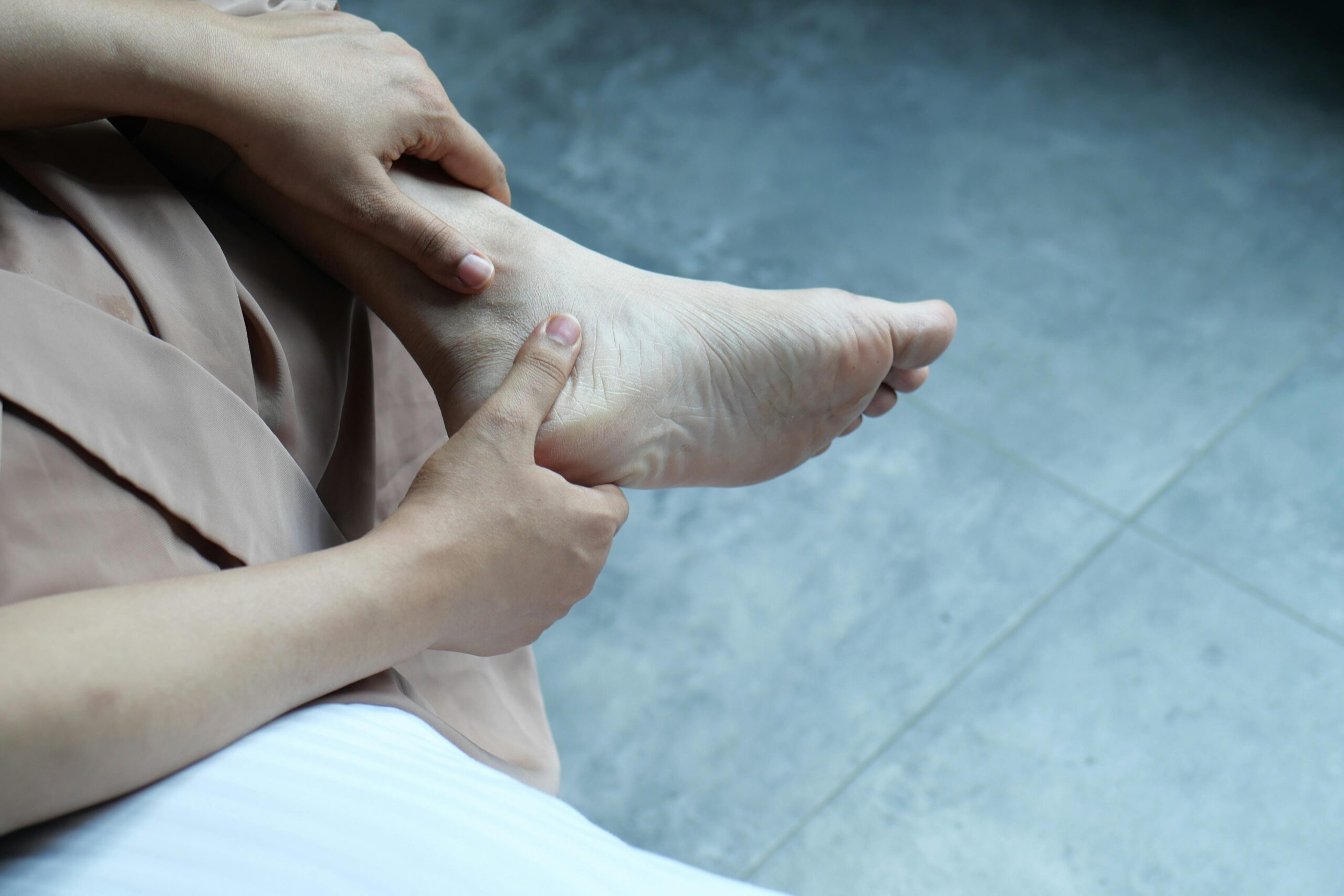
The body you inhabit is not merely flesh and bone—it’s a living archive of your experiences, a sensing instrument of extraordinary sophistication, and a wise guide constantly offering counsel. Sensation mapping teaches you to read this guidance, to honor the intelligence of your physical form, and to make choices that support genuine wellbeing rather than simply managing symptoms.
Moving Forward With Your Practice 🎯
Beginning today, you can start unlocking your body’s potential through sensation mapping. Set an intention to check in with your physical self three times daily for the next week. Notice without judgment. Document what you discover. Be patient with the learning process.
Remember that this is a practice, not a perfection. Some days you’ll have profound insights; other days you’ll barely remember to tune in. Both are part of the journey. What matters is the consistent return to embodied awareness, the gradual rebuilding of the connection between your conscious mind and the wisdom of your physical form.
Your body has been waiting for you to listen. Through sensation mapping, you’re finally developing the fluency to understand its language. The resulting conversation between your conscious awareness and bodily wisdom will be one of the most important dialogues of your life—one that can guide you toward health, authenticity, and a deeply felt sense of being truly alive in your own skin.
The map to your wellbeing isn’t found in external sources or expert opinions, though these have value. The most accurate, personalized map lives within you, expressed through the sensations of your body. By learning to read this map, you unlock potential that has always been present, waiting for your attention and respect. Your journey toward heightened awareness and improved wellbeing begins with a simple question: What is my body telling me right now?