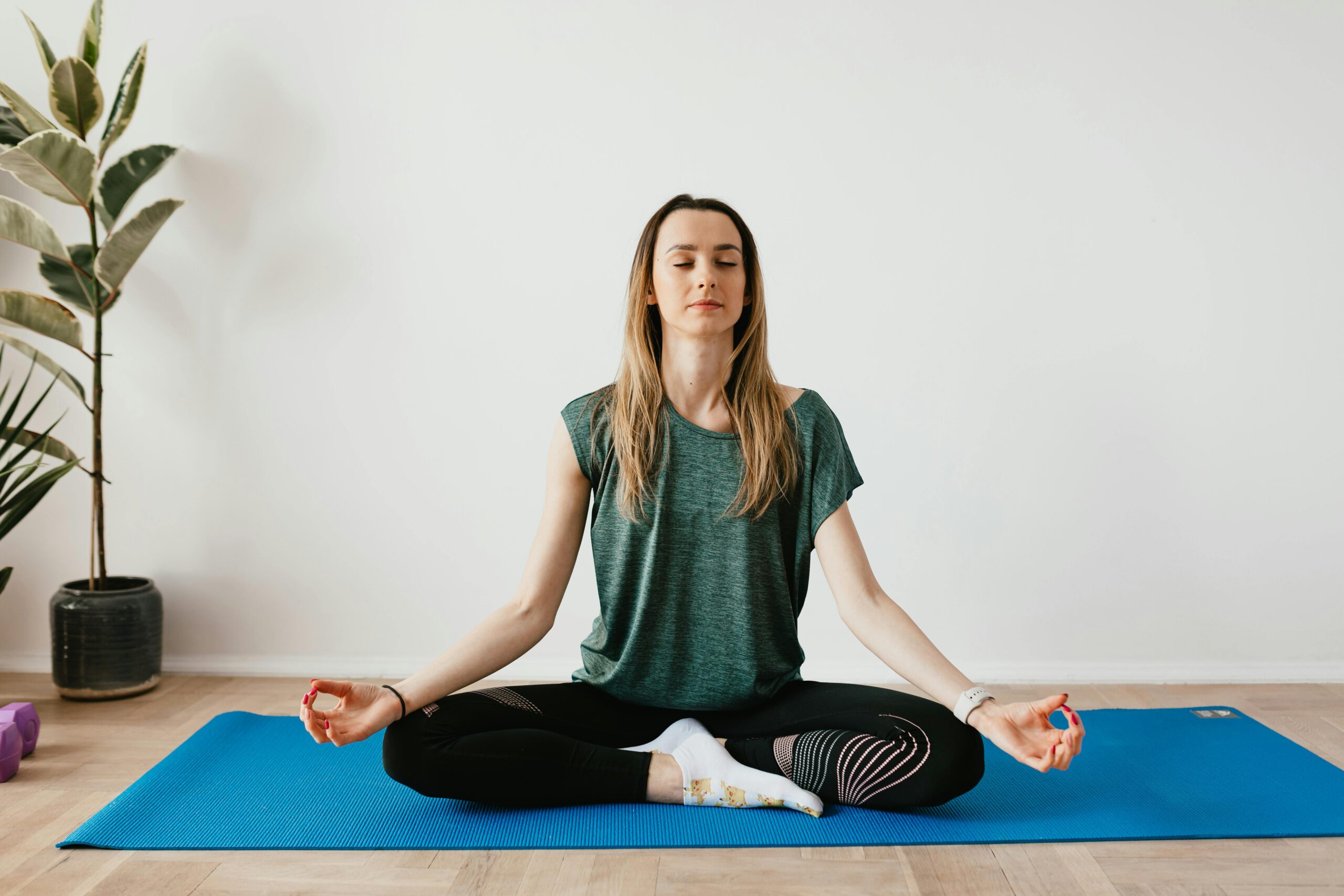
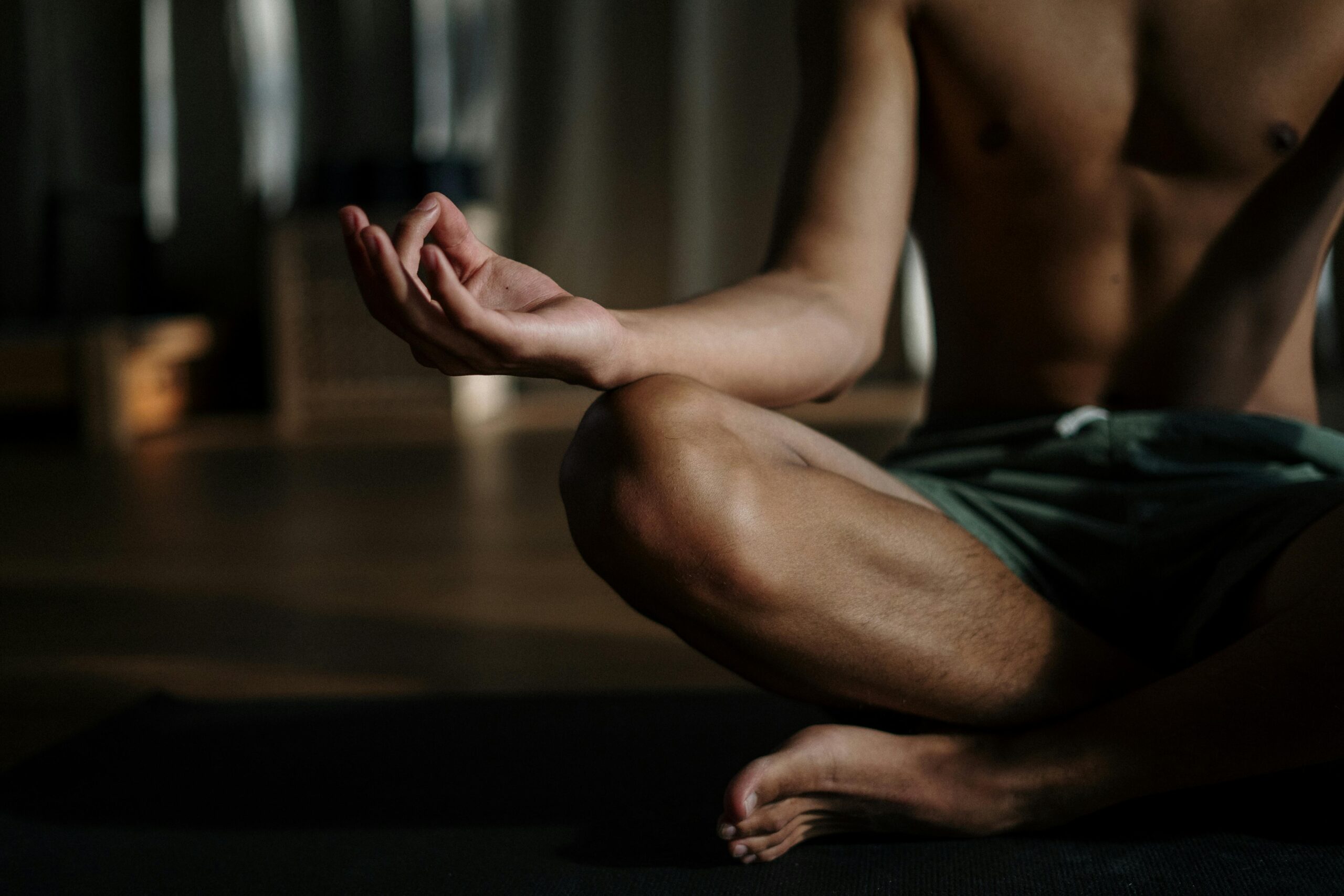
Breath is the bridge between your mind and body, holding the key to unlocking extraordinary levels of wellness, mental clarity, and peak performance in everything you do.

In our fast-paced modern world, we’ve forgotten the profound power of something we do 20,000 times per day: breathing. While breathing happens automatically, consciously integrating breath with mind and body awareness transforms this simple act into a sophisticated tool for optimization. This integration isn’t just about relaxation—it’s about accessing your full human potential across physical, mental, and emotional dimensions.
The ancient wisdom traditions knew what modern science is now confirming: proper breath control influences everything from nervous system regulation to cognitive performance, athletic ability to emotional resilience. When you master mind-body breath integration, you gain direct access to internal systems that typically operate beyond conscious control, creating a pathway to enhanced wellness and performance that few fully exploit.
🧠 The Science Behind Mind-Body Breath Connection
Understanding the physiological mechanisms behind breath integration helps you appreciate why this practice delivers such remarkable results. Your respiratory system doesn’t operate in isolation—it’s intimately connected to your nervous system, cardiovascular system, and even your brain chemistry.
When you breathe, you’re not just exchanging oxygen and carbon dioxide. Each breath sends signals throughout your entire body, triggering cascades of neurochemical responses. The vagus nerve, which runs from your brainstem through your torso, responds directly to breathing patterns. Slow, deep breathing activates the parasympathetic nervous system, your body’s rest-and-digest mode, while rapid, shallow breathing triggers sympathetic activation and stress responses.
Research published in leading neuroscience journals demonstrates that controlled breathing directly influences brain regions responsible for emotion, attention, and body awareness. The rhythmic nature of breath creates measurable changes in brain wave patterns, particularly in areas like the amygdala (emotion processing) and prefrontal cortex (executive function and decision-making).
The Autonomic Nervous System Gateway
Your autonomic nervous system controls involuntary functions like heart rate, digestion, and stress responses. While most of these systems resist conscious control, breathing represents a unique exception—it operates both automatically and voluntarily. This dual nature makes breath the most accessible tool for influencing your autonomic state.
By deliberately adjusting your breathing patterns, you can shift your nervous system from sympathetic dominance (fight-or-flight) to parasympathetic dominance (rest-and-recover) within minutes. This capability has profound implications for managing stress, improving recovery, enhancing focus, and optimizing performance across all domains.
💪 Physical Performance Enhancement Through Breath Mastery
Athletes and fitness enthusiasts increasingly recognize breath control as a competitive advantage. Proper breathing technique optimizes oxygen delivery to muscles, improves endurance, enhances power output, and accelerates recovery between efforts.
Many people breathe incorrectly during physical activity, using shallow chest breathing that limits oxygen intake and creates unnecessary tension. Diaphragmatic breathing—using your primary breathing muscle fully—increases lung capacity and efficiency. This breathing method engages the lower lobes of your lungs where gas exchange is most effective, delivering more oxygen per breath.
Breath Patterns for Different Athletic Demands
Different physical activities benefit from specific breathing strategies. Endurance activities like running or cycling require rhythmic breathing synchronized with movement patterns. Many elite runners use a 3:2 breathing ratio (three steps inhaling, two steps exhaling) to maintain optimal oxygen delivery during sustained efforts.
Strength training demands a different approach. The Valsalva maneuver—holding breath while bracing the core during heavy lifts—creates intra-abdominal pressure that stabilizes the spine and increases force production. However, this technique requires proper execution to avoid dangerous blood pressure spikes.
For flexibility and mobility work, extended exhales facilitate deeper stretches by reducing muscle tension and activating the parasympathetic nervous system. Yoga traditions have utilized this principle for millennia, pairing specific breath patterns with physical postures to enhance both flexibility and mental focus.
🎯 Cognitive Performance and Mental Clarity
Your breathing pattern directly affects cognitive function, attention, memory consolidation, and mental processing speed. When you’re stressed or anxious, breathing becomes shallow and irregular, reducing oxygen supply to the brain and impairing cognitive performance.
Controlled breathing practices increase cerebral blood flow and optimize the oxygen-carbon dioxide balance in your blood. Contrary to popular belief, you don’t just need more oxygen—you need the right balance between oxygen and carbon dioxide. Many people habitually over-breathe, expelling too much carbon dioxide, which actually reduces oxygen delivery to tissues through a phenomenon called the Bohr effect.
Breath Techniques for Focus and Concentration
When you need laser-sharp focus for important work, specific breathing patterns can induce optimal mental states. Box breathing—inhaling for four counts, holding for four, exhaling for four, and holding empty for four—creates rhythmic coherence that synchronizes heart rate variability with cognitive performance.
This technique, used by Navy SEALs and elite performers, calms mental chatter while maintaining alertness. The balanced breath pattern creates a state of relaxed concentration ideal for complex problem-solving, creative work, and high-stakes decision-making.
Alternate nostril breathing, a yogic practice called Nadi Shodhana, balances left and right brain hemisphere activity. Research indicates this practice improves attention, spatial memory, and executive function while reducing anxiety and mental fatigue.
😌 Emotional Regulation and Stress Management
Perhaps the most immediately practical application of breath integration involves emotional regulation. Your emotional state and breathing pattern exist in a bidirectional relationship—emotions change your breathing, but changing your breathing also changes your emotions.
When anxious, your breath becomes rapid and shallow, centered in the upper chest. When calm, breathing slows and deepens, originating from the diaphragm. By consciously shifting your breathing pattern, you can interrupt anxiety spirals and cultivate emotional equilibrium even in challenging circumstances.
The Stress Response Override
Extended exhales activate your parasympathetic nervous system, triggering your body’s relaxation response. A simple ratio of breathing in for four counts and out for six or eight counts signals safety to your nervous system, reducing cortisol production and lowering heart rate.
This physiological shift isn’t merely relaxation—it’s a recalibration of your stress response system. Regular practice builds resilience, making you less reactive to stressors and faster to return to baseline after challenges. Over time, this creates lasting changes in how your nervous system responds to life’s demands.
Breathing apps can support developing consistent practices. Applications like Breathwrk offer guided breathing exercises specifically designed for stress reduction, energy enhancement, and sleep improvement.
🌙 Sleep Optimization Through Breath Awareness
Sleep quality fundamentally determines recovery, cognitive function, and overall wellness. Many sleep issues stem from nervous system dysregulation that keeps you in sympathetic activation when you should be shifting toward parasympathetic dominance.
Pre-sleep breathing practices facilitate this transition, preparing your body and mind for restorative sleep. The 4-7-8 technique—inhaling for four counts, holding for seven, and exhaling for eight—powerfully induces relaxation by maximizing parasympathetic activation.
Breathing During Sleep
Your breathing pattern during sleep affects sleep architecture and recovery quality. Mouth breathing during sleep disrupts sleep stages, contributes to snoring and sleep apnea, and reduces sleep quality. Learning to maintain nasal breathing, even during sleep, optimizes oxygen uptake and maintains proper carbon dioxide levels.
Mouth taping—gently securing your lips closed with specialized tape—trains nasal breathing during sleep. While this sounds extreme, many people report dramatic improvements in sleep quality, morning energy, and daytime performance after implementing this practice.
🔄 Building Your Breath Integration Practice
Understanding breath integration intellectually differs vastly from embodying it through consistent practice. Like any skill, mind-body breath mastery requires deliberate training that progressively builds capacity and awareness.
Start with foundational awareness. Throughout your day, periodically check your breathing without trying to change it. Notice where breath movement occurs—chest, belly, or back. Observe the pace, depth, and rhythm. This awareness practice itself begins shifting patterns toward more optimal breathing.
Progressive Training Approach
Begin with simple diaphragmatic breathing. Lie on your back with one hand on your chest and one on your belly. Breathe so that the belly hand rises while the chest hand remains relatively still. Practice this for five minutes daily until it becomes natural.
Next, introduce breath ratio work. Start with equal inhales and exhales (four counts each), then gradually extend exhales. Progress to more sophisticated patterns like box breathing, alternate nostril breathing, and breath holds as your capacity develops.
Integrate breath awareness into existing activities. Practice conscious breathing during walks, before meals, in the shower, or during transitions between tasks. These micro-practices accumulate, creating continuous reinforcement of optimal breathing patterns.
⚡ Advanced Techniques for Peak Performance
Once you’ve established foundational breath awareness and control, advanced techniques unlock even greater performance capabilities. These practices require proper instruction and gradual progression to implement safely and effectively.
Wim Hof Method and Controlled Hypoxia
The Wim Hof Method combines specific breathing patterns with cold exposure and mental focus to enhance immune function, increase energy, and improve stress resilience. The breathing component involves cycles of deep, rapid breathing followed by breath retention, creating controlled hypoxia that triggers beneficial physiological adaptations.
This practice increases mitochondrial density, improves cardiovascular capacity, and may influence inflammatory responses. However, proper technique is essential—incorrect practice can be dangerous. Never practice breath holds near water or while driving.
Breath Holds for Carbon Dioxide Tolerance
Building carbon dioxide tolerance improves overall breathing efficiency and athletic performance. The BOLT (Body Oxygen Level Test) measures your current tolerance. After normal exhalation, hold your breath and time until you feel the first urge to breathe—this isn’t maximum hold time, just the first distinct urge.
A healthy BOLT score exceeds 25 seconds. Scores below 15 seconds indicate poor breathing efficiency and probable chronic over-breathing. Through gradual breath hold practice, you can increase this tolerance, improving oxygen delivery and exercise capacity.
🧘 Integrating Mindfulness with Breath Practice
Mindfulness meditation and breath work naturally complement each other. Breath serves as the ideal focal point for meditation practice—it’s always present, constantly changing, and intimately connected to your mental and physical state.
Mindful breathing differs from breathing exercises. Rather than controlling breath, you simply observe it with full attention, noting sensations at the nostrils, chest, or belly. This practice develops meta-awareness—the ability to observe your experience without being swept away by it.
This meta-awareness translates into everyday life, creating space between stimulus and response. You notice stress arising but aren’t immediately hijacked by it. You observe emotions without being consumed by them. This psychological flexibility represents one of the most valuable outcomes of integrated breath-mind practice.
📊 Measuring Progress and Tracking Results
Objective measurements help you gauge progress and adjust your practice. Heart rate variability (HRV) provides one of the best biomarkers for nervous system regulation and recovery status. Many wearable devices now track HRV, allowing you to monitor how your breath practice influences autonomic balance.
Resting heart rate offers another simple metric. As breathing efficiency improves, resting heart rate typically decreases, indicating improved cardiovascular fitness and parasympathetic tone. Track this measurement consistently under similar conditions for accurate trending.
Subjective Assessment Matters Too
Beyond numbers, pay attention to subjective improvements. Notice changes in stress reactivity, sleep quality, energy levels throughout the day, mental clarity, emotional stability, and physical performance. Keep a simple journal tracking these dimensions weekly to identify patterns and progress.
Many practitioners report improvements appearing gradually then suddenly—weeks of practice create cumulative changes that manifest dramatically. Consistency matters more than perfection. Five minutes daily outperforms hour-long sessions once weekly.
🌟 Creating Sustainable Integration in Daily Life
The ultimate goal isn’t perfect breathing during formal practice—it’s optimizing your default breathing patterns throughout daily life. This requires environmental design and habit stacking that make proper breathing your new normal.
Create breathing cues in your environment. Place visual reminders at workstations, in your car, and on your phone. Use transitions—entering rooms, starting tasks, hanging up phone calls—as triggers for breath awareness checks. These micro-interventions accumulate, rewiring default patterns.
Address structural factors affecting breathing. Posture dramatically influences breathing mechanics. Slouched, forward-head posture restricts diaphragm movement and promotes shallow chest breathing. Regular postural awareness and corrective exercises support optimal breathing mechanics.
Breath Work for Different Life Domains
Customize breathing practices for specific contexts. Morning energizing breath (rapid bhastrika breathing) jumpstarts your day. Pre-meeting centering breath (box breathing) optimizes performance. Post-work decompression breath (extended exhales) facilitates recovery. Pre-sleep relaxation breath (4-7-8 technique) improves sleep quality.
This domain-specific approach makes breath integration practical and immediately applicable rather than abstract or purely spiritual. You’re using breath as a practical tool for navigating life’s demands with greater effectiveness and less unnecessary stress.

🚀 Your Path to Full Potential Through Breath
Mastering mind-body breath integration represents one of the highest-leverage investments you can make in your wellness and performance. Unlike expensive equipment, supplements, or complex protocols, your breath is always available, free, and remarkably powerful when properly utilized.
The integration of mind, body, and breath creates a synergy where the whole exceeds the sum of parts. Physical performance improves not just from better oxygen delivery but from enhanced mental focus. Mental clarity increases not just from improved brain oxygenation but from emotional regulation. Emotional stability develops not just from stress management techniques but from physical resilience.
This holistic transformation occurs through consistent practice applied patiently over time. You’re not adding another task to your overwhelming schedule—you’re optimizing something you already do constantly. Every breath becomes an opportunity for enhancement rather than a mindless automatic function.
Begin today with simple awareness. Notice your next few breaths without changing them. This moment of attention plants the seed for lasting transformation. Build gradually from awareness to control, from occasional practice to integrated lifestyle. Your full potential awaits, accessible through the bridge of breath that connects mind and body into a unified, optimized system capable of extraordinary wellness and performance.
The journey of breath mastery never truly ends—there are always deeper layers to explore, greater capacities to develop, and more subtle integrations to discover. This makes breath work not a temporary fix but a lifelong practice that grows with you, continually unlocking new dimensions of human potential as you progress along the path.