Your body holds tension, trauma, and stress in ways you might not consciously recognize. Breathwork offers a profound pathway to release these hidden burdens and restore vitality.

🌬️ The Ancient Wisdom of Conscious Breathing
For thousands of years, spiritual traditions across the globe have understood what modern science is only now confirming: breath is the bridge between mind and body. From yogic pranayama to Taoist breathing techniques, ancient practitioners discovered that intentional breathing patterns could unlock profound healing and transformation within the physical body.
Somatic release refers to the process of releasing stored tension, emotions, and trauma that accumulate in the body’s tissues, muscles, and nervous system. Unlike mental processing alone, somatic work engages the body directly, allowing it to complete stress responses that may have been interrupted or suppressed during difficult experiences.
When you breathe consciously, you activate the vagus nerve, which runs from your brainstem through your chest and abdomen. This activation shifts your autonomic nervous system from sympathetic (fight-or-flight) dominance to parasympathetic (rest-and-digest) regulation, creating the physiological conditions necessary for release and healing.
Understanding the Body’s Storage System
Your body is remarkably intelligent, constantly adapting to protect you from overwhelming experiences. When faced with stress or trauma, the nervous system may store unprocessed emotional energy in the tissues if the natural fight-or-flight response cannot complete its cycle.
This stored tension manifests in numerous ways throughout the body. You might notice chronic tightness in your shoulders, persistent lower back pain, restricted breathing patterns, or unexplained digestive issues. These physical symptoms often represent emotional experiences your body hasn’t fully processed.
Common Areas of Somatic Tension
- Jaw and facial muscles – often holding anger, frustration, or unexpressed communication
- Throat and neck – connected to self-expression and authentic voice
- Chest and shoulders – carrying burdens, responsibilities, and protective patterns
- Diaphragm and solar plexus – storing anxiety, fear, and personal power issues
- Hips and pelvis – containing emotional trauma, creativity blocks, and survival stress
- Lower back – holding financial worries, support concerns, and foundational fears
The Science Behind Breathwork and Somatic Release
Modern neuroscience has validated what ancient practitioners intuited. Research shows that controlled breathing techniques directly influence brain wave patterns, hormone production, and neurotransmitter balance. When you engage in specific breathing practices, you create measurable changes in your physiology that facilitate emotional and physical release.
Studies using functional MRI scanning have demonstrated that breathwork practices activate the insula and anterior cingulate cortex—brain regions involved in interoception and emotional awareness. This activation helps you develop greater sensitivity to internal bodily sensations, which is essential for recognizing and releasing stored tension.
The breath also regulates carbon dioxide and oxygen levels in your bloodstream, which affects pH balance and cellular function throughout your body. Certain breathing patterns can temporarily alter these ratios in ways that support emotional release, increased energy, and enhanced mental clarity.
Polyvagal Theory and Breathwork
Dr. Stephen Porges’ Polyvagal Theory provides a framework for understanding how breath influences our nervous system states. The vagus nerve has multiple branches that regulate different physiological and emotional responses. Through specific breathing techniques, you can consciously shift between these states, moving from defensive patterns into social engagement and healing modes.
When you breathe slowly and deeply, emphasizing the exhale, you stimulate the ventral vagal complex, which promotes feelings of safety, connection, and openness. This state creates the optimal conditions for somatic release, as your body feels secure enough to let go of protective holding patterns.
🔥 Transformative Breathing Techniques for Release
Different breathing practices serve different purposes in the journey of somatic healing. Some techniques energize and activate, bringing unconscious material to the surface, while others calm and integrate, allowing the nervous system to assimilate new patterns.
Circular Breathing for Emotional Liberation
Circular breathing, also known as conscious connected breathing, involves breathing continuously without pauses between the inhale and exhale. This creates a circular flow of breath that can access deeper layers of consciousness and stored emotion.
To practice circular breathing, lie down in a comfortable position and begin breathing through your mouth with a rhythm where the inhale and exhale are of equal length. Maintain this pattern for 20-30 minutes, allowing whatever sensations, emotions, or memories arise without judgment or resistance. This technique often brings suppressed feelings to the surface for release and integration.
Box Breathing for Nervous System Regulation
Box breathing creates balance and stability in the nervous system by using equal counts for each phase of the breath. Inhale for a count of four, hold for four, exhale for four, and hold empty for four. This technique doesn’t typically generate intense release experiences but creates the regulated state necessary for integration after more activating practices.
Extended Exhale for Parasympathetic Activation
Making your exhale longer than your inhale directly activates the parasympathetic nervous system. Try inhaling for a count of four and exhaling for a count of six or eight. This pattern signals safety to your body and can help release chronic tension patterns, particularly in the shoulders, neck, and jaw.
💫 Creating a Breathwork Practice for Somatic Healing
Establishing a consistent breathwork practice amplifies its healing potential. Like any transformative practice, breathwork yields deeper results when approached with intention, patience, and regularity.
Begin by dedicating a specific time each day to your practice. Morning sessions can set a grounded tone for your entire day, while evening practices support deep rest and integration during sleep. Even five to ten minutes daily creates noticeable shifts over time.
Setting Up Your Practice Space
Create an environment that supports introspection and release. Choose a quiet space where you won’t be interrupted. Consider using blankets for warmth, as body temperature often drops during breathwork. Some practitioners find that soft background music or nature sounds support their process, while others prefer silence.
Have tissues nearby, as emotional releases often involve tears. Keep water accessible to stay hydrated, as breathwork can be surprisingly physical. If you’re working with more intense practices, having a pillow to hug or press against can provide grounding and support.
Working with Sensations During Practice
As you breathe, you’ll notice various sensations arising in your body. These might include tingling, temperature changes, muscle twitches, waves of emotion, or areas of tightness becoming more pronounced before releasing. All of these experiences are normal and indicate that your nervous system is processing stored material.
Rather than avoiding uncomfortable sensations, practice breathing into them with curiosity. Imagine your breath as a gentle wave washing through areas of tension, not forcing but inviting release. This approach of “titration”—working with manageable doses of sensation—prevents overwhelm while still facilitating healing.
🌊 Navigating the Release Process
Somatic release doesn’t always feel peaceful or gentle. As your body lets go of stored stress and trauma, you might experience intense emotions, memories, or physical sensations. Understanding what to expect helps you navigate these experiences with greater ease.
Releases can manifest as crying, shaking, yawning, coughing, laughing, or spontaneous movement. You might experience waves of heat or cold, tingling sensations, or temporary muscle tension before release. Some people see colors, images, or recall memories during deep breathwork sessions.
These experiences, while sometimes intense, are signs of healing. Your body is completing interrupted stress responses and releasing what it no longer needs to hold. Trust the wisdom of your body’s process, and remember that you can always slow down or pause if things feel too overwhelming.
Integration After Breathwork Sessions
The period immediately following a breathwork session is crucial for integration. Avoid rushing back into daily activities. Instead, take time to rest, journal about your experience, or simply be present with whatever shifted during your practice.
Drink plenty of water to support the physical detoxification process that breathwork initiates. Gentle movement like walking, stretching, or yoga can help ground the insights and releases from your session into your physical body. Many practitioners find that their dreams become more vivid in the nights following breathwork, offering additional material for integration.
⚡ Combining Breathwork with Movement
While breathwork alone is powerful, combining conscious breathing with movement amplifies somatic release. The body naturally wants to move when processing stored energy, and allowing this impulse supports deeper healing.
Shaking practices, inspired by animals’ natural trauma release mechanisms, pair excellently with breathwork. Stand with knees slightly bent and begin bouncing gently, allowing the movement to evolve naturally while maintaining conscious breath. This combination can release trauma stored in the legs and nervous system.
Yoga asanas practiced with intentional breathing create opportunities for release in specific areas. Hip-opening poses combined with deep breathing access stored emotions in the pelvic region, while heart-opening backbends with full breathing can release grief and sadness held in the chest.
🎯 Addressing Specific Issues Through Targeted Breathwork
Different concerns respond to different breathing approaches. While all conscious breathing supports overall well-being, you can focus your practice to address specific challenges.
For Anxiety and Overwhelm
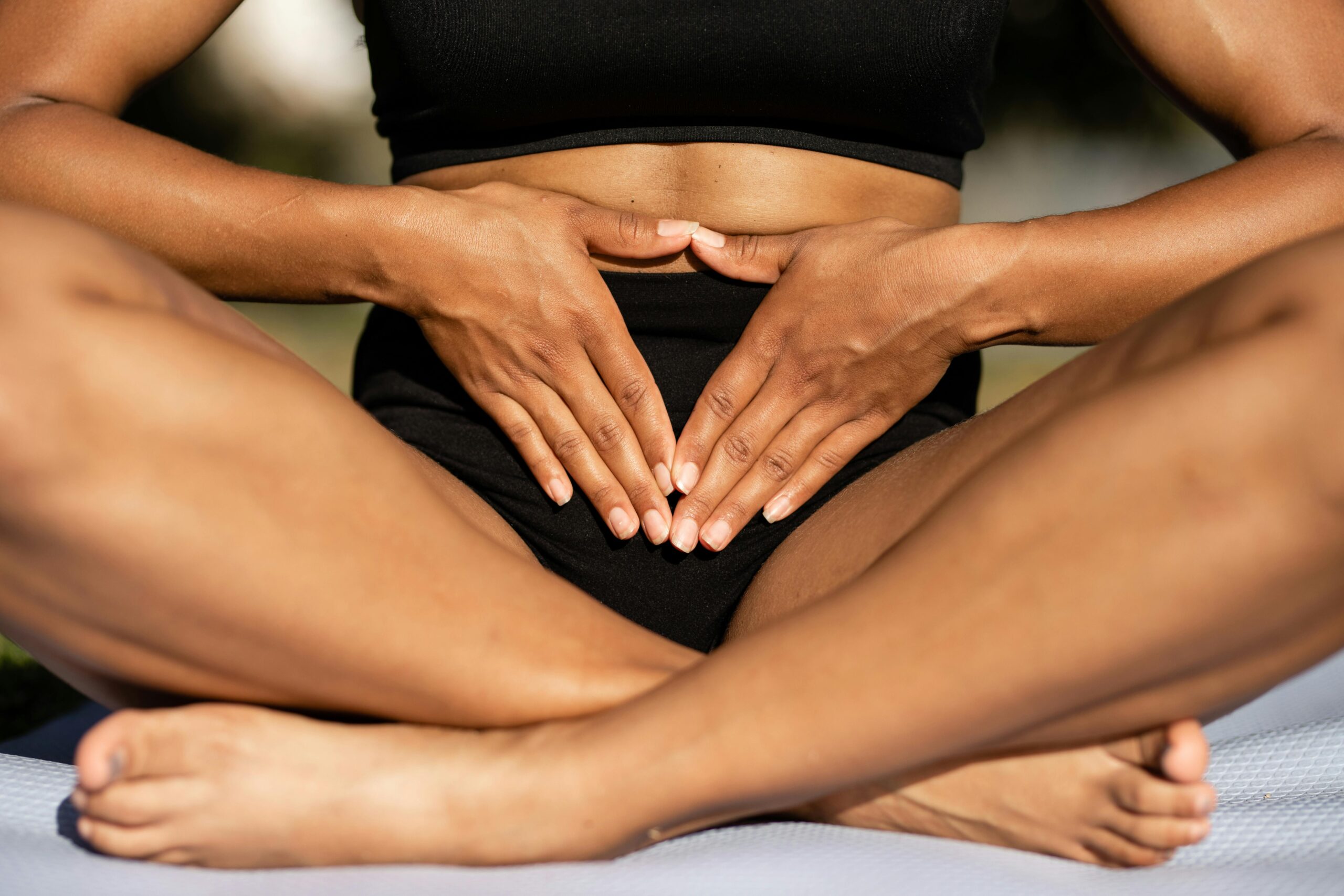
When anxiety dominates, your breath typically becomes shallow and rapid. Counteract this pattern by emphasizing slow, deep belly breathing with extended exhales. Place one hand on your chest and one on your belly, ensuring that your belly expands with each inhale while your chest remains relatively still. This diaphragmatic breathing directly calms the anxiety response.
For Depression and Low Energy
Depression often correlates with underactivation in the nervous system. More energizing breath practices can help. Try breath of fire—short, rapid exhales through the nose with passive inhales—for one to three minutes to increase energy and mental clarity. Follow with several minutes of normal breathing to integrate the effects.
For Chronic Pain and Tension
Breathe directly into areas of pain or tension, visualizing your breath as a healing light or warm water flowing to that location. This focused attention, combined with the physiological effects of oxygenation and nervous system regulation, can significantly reduce chronic pain over time.
🔮 Advanced Practices and Considerations
As your breathwork practice deepens, you may want to explore more intensive approaches. Holotropic Breathwork, developed by Stanislav Grof, involves extended sessions of accelerated breathing that can access non-ordinary states of consciousness for profound healing. These practices are best done with trained facilitators who can provide support and guidance.
Rebirthing Breathwork focuses specifically on releasing birth trauma and early developmental patterns through circular breathing sessions. Transformational Breath combines conscious breathing with sound, movement, and hands-on bodywork to facilitate release.
Regardless of which approach calls to you, remember that breathwork is powerful medicine. If you have a history of significant trauma, cardiovascular issues, respiratory conditions, or are pregnant, consult with healthcare providers and work with experienced facilitators rather than practicing advanced techniques alone.
Building Long-Term Somatic Resilience
The goal of breathwork for somatic release isn’t just to clear past stress but to develop greater capacity to process experiences in real-time. As you practice regularly, you’ll notice that daily stresses don’t accumulate in your body the way they once did. You develop somatic awareness that alerts you when tension begins to build, and you have tools to address it immediately.
This preventive approach to stress management transforms your relationship with challenging experiences. Rather than bracing against difficulty, creating more tension, you learn to breathe through challenges, allowing them to move through you without leaving lasting residue.
Your breath becomes a trusted ally, always available to bring you back to center, to process what needs processing, and to remind you of your innate capacity for healing and renewal. This relationship with your breath—and through it, with your body—becomes one of the most valuable resources you can develop.
🌟 Embracing Your Breathing Journey
Every breath you take is an opportunity for renewal, release, and revitalization. The practices shared here represent doorways into the vast potential of breathwork for somatic healing. Your own experience will be unique, shaped by your history, needs, and the wisdom of your particular body.
Approach this work with patience and compassion for yourself. Healing isn’t linear, and some days your practice will feel profound while others may seem ordinary. Trust that transformation happens in both the dramatic releases and the subtle shifts, in the moments of clarity and the periods of integration.
Your body has been carrying its burdens faithfully, protecting you in the best way it knew how. Through conscious breathing, you offer it the opportunity to finally set down what it no longer needs to hold. This is the gift of breathwork for somatic release—a return home to the vitality, ease, and aliveness that is your birthright.
Begin today, with just one conscious breath, and trust the process that unfolds from there. Your body knows the way home; your breath will light the path.