Breath awareness is the simplest gateway to mindfulness, offering immediate access to inner peace, mental clarity, and profound transformation through conscious breathing practices.

In our fast-paced modern world, stress and mental clutter have become unwelcome companions in daily life. Yet, the solution to finding calm amid chaos lies within us, accessible at every moment through something we do approximately 20,000 times per day: breathing. The ancient practice of breath awareness has emerged as one of the most powerful foundations for cultivating mindfulness, offering a scientifically-backed pathway to emotional regulation, cognitive enhancement, and spiritual awakening.
This comprehensive guide explores how mastering breath awareness can revolutionize your relationship with the present moment, unlocking unprecedented levels of peace and clarity. Whether you’re new to mindfulness or seeking to deepen your existing practice, understanding the transformative power of conscious breathing will provide you with practical tools for navigating life’s challenges with grace and resilience.
🌬️ Understanding the Science Behind Breath Awareness
The connection between breathing and mental states isn’t merely philosophical—it’s deeply rooted in human physiology. When we engage in conscious breath awareness, we activate the parasympathetic nervous system, often called the “rest and digest” mode. This biological response counteracts the stress-induced fight-or-flight activation that dominates modern existence.
Research from neuroscience laboratories worldwide has demonstrated that focused breathing practices create measurable changes in brain activity. Studies using functional MRI scans reveal increased activation in areas associated with attention, emotional processing, and self-awareness when practitioners engage in breath-focused meditation. The prefrontal cortex—responsible for executive functions like decision-making and emotional regulation—shows enhanced connectivity with other brain regions during breath awareness exercises.
Furthermore, breath awareness directly influences the vagus nerve, a crucial component of the autonomic nervous system that regulates heart rate, digestion, and immune response. By consciously slowing and deepening our breathing, we can stimulate vagal tone, leading to improved heart rate variability—a marker of physiological resilience and emotional balance.
The Foundations of Breath Awareness Practice 🧘
Beginning a breath awareness practice doesn’t require special equipment, apps, or extensive training. The beauty of this foundational mindfulness technique lies in its accessibility and simplicity. However, understanding the core principles ensures you establish a solid practice that yields transformative results.
Establishing Your Practice Space
While breath awareness can be practiced anywhere, creating a dedicated space enhances consistency and depth. Choose a quiet area where you won’t be disturbed for at least ten minutes. The location doesn’t need to be elaborate—a corner of your bedroom, a comfortable chair, or even a spot in your garden can serve as your mindfulness sanctuary.
Ensure the space has adequate ventilation, comfortable temperature, and minimal distractions. Some practitioners find that incorporating elements like cushions, candles, or plants helps create an atmosphere conducive to turning inward, though these additions are entirely optional.
Posture and Physical Alignment
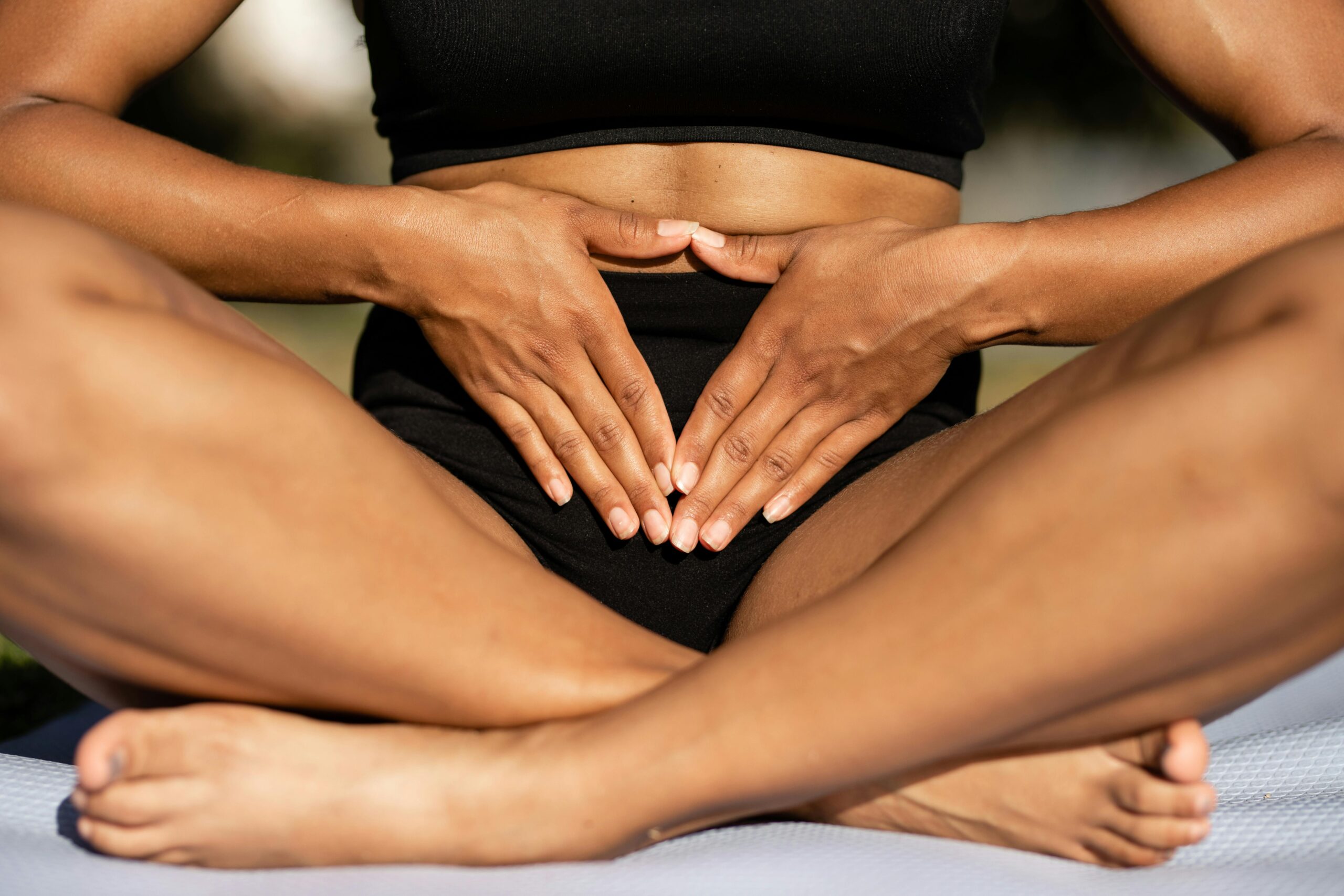
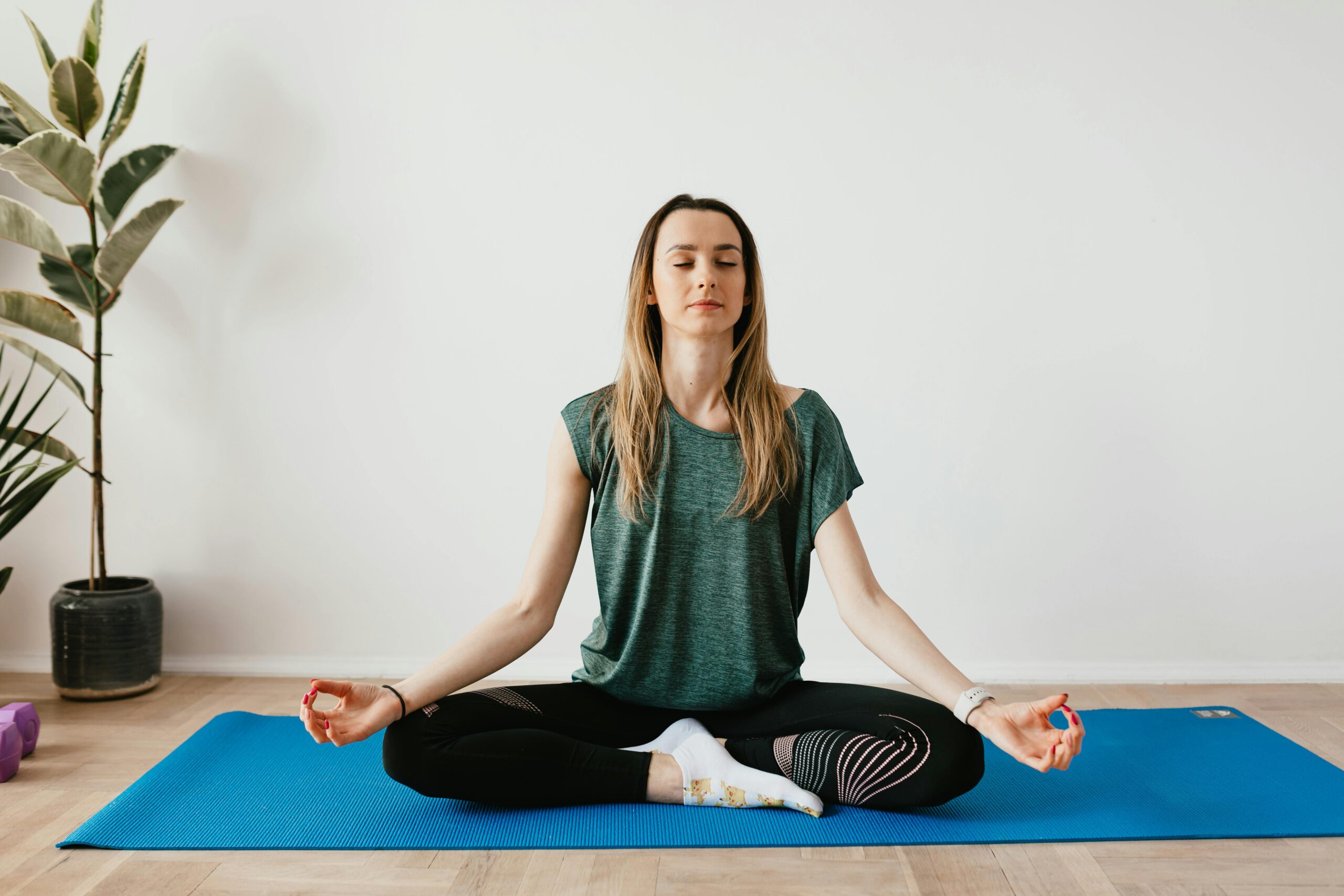
Proper posture facilitates unrestricted breathing and maintains alertness during practice. Whether sitting, lying down, or standing, the key principles remain consistent: maintain a straight spine, relaxed shoulders, and an open chest. This alignment creates optimal conditions for diaphragmatic breathing while preventing drowsiness or physical discomfort.
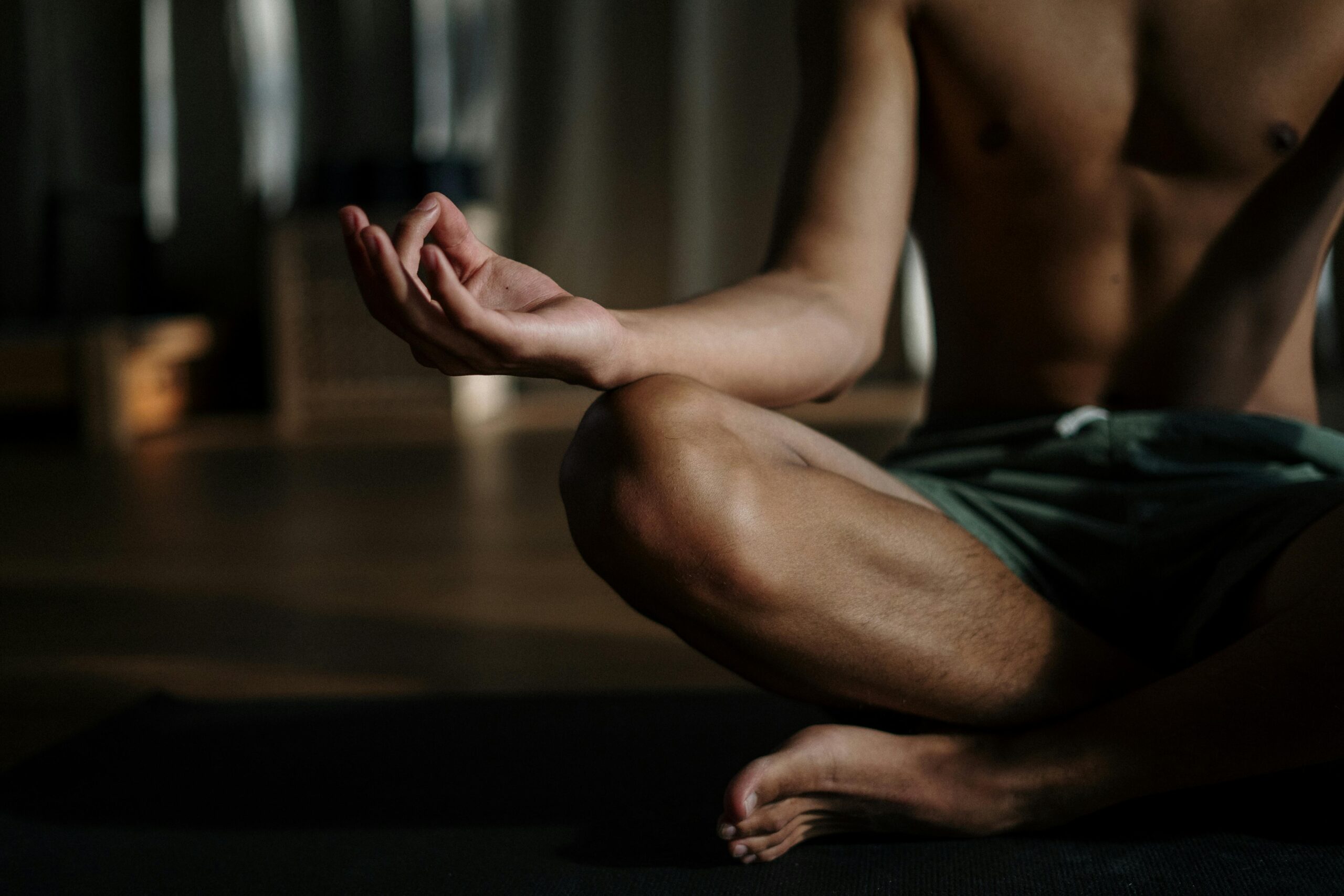
If sitting, you might choose a chair with back support or a meditation cushion on the floor. Cross-legged positions are traditional but not mandatory—what matters most is finding a sustainable position that balances comfort with attentiveness.
Core Breath Awareness Techniques for Ultimate Peace ☮️
Different breath awareness techniques serve various purposes, from calming anxiety to enhancing focus. Mastering these foundational practices provides a versatile toolkit for addressing diverse mental states and life situations.
Natural Breath Observation
This fundamental technique involves simply observing your breath without attempting to change it. Notice where you feel the breath most prominently—perhaps at the nostrils, in the chest, or in the abdomen. Observe the natural rhythm, temperature, and quality of each inhalation and exhalation without judgment or manipulation.
This practice cultivates non-reactive awareness, teaching the mind to observe phenomena without immediately trying to control or change them—a skill that extends far beyond the meditation cushion into daily life interactions.
Counted Breath Practice
Counting breaths provides an anchor for the wandering mind, making it particularly useful for beginners or during periods of mental agitation. Count each complete breath cycle (inhalation and exhalation) from one to ten, then begin again. When the mind wanders and you lose count—which will happen—simply return to one without self-criticism.
This technique strengthens concentration while developing self-compassion, as you learn to gently redirect attention without harsh judgment when focus lapses.
Extended Exhalation Technique
For activating the relaxation response, extend your exhalations to be longer than your inhalations. Try inhaling for a count of four and exhaling for a count of six or eight. This pattern signals safety to the nervous system, reducing cortisol levels and promoting physiological calmness.
This approach proves particularly effective for managing anxiety, preparing for sleep, or recovering from stressful situations. The extended exhalation directly stimulates the vagus nerve, creating an immediate shift toward parasympathetic dominance.
🎯 Overcoming Common Challenges in Breath Awareness
Every practitioner encounters obstacles when developing breath awareness skills. Understanding these common challenges and their solutions prevents discouragement and supports consistent practice.
The Wandering Mind Phenomenon
Perhaps the most universal challenge is the restless, wandering mind. Within seconds of beginning breath observation, thoughts about grocery lists, work projects, or past conversations intrude. This isn’t a sign of failure—it’s the normal condition of the untrained mind.
The practice isn’t about eliminating thoughts but about noticing when attention has drifted and gently returning focus to the breath. Each return strengthens the neural pathways associated with attention regulation, gradually increasing your capacity for sustained focus.
Physical Discomfort and Restlessness
Sitting still often reveals physical sensations we normally ignore through constant movement. Itching, muscle tension, or fidgeting commonly arise during early practice. Rather than immediately reacting to these sensations, try observing them with the same non-reactive awareness you apply to the breath.
Notice how sensations change when observed without immediately scratching, shifting, or adjusting. This develops tolerance for discomfort—a valuable life skill that reduces reactive behavior patterns.
Breathing Anxiety
Paradoxically, focusing on breath sometimes creates anxiety about breathing itself. You might feel you’re breathing incorrectly or that conscious attention disrupts natural breathing rhythms. If this occurs, shift your focus to a less anxiety-provoking object of attention temporarily, such as sounds or physical sensations in your hands or feet.
Remember that breathing has sustained you unconsciously your entire life—you cannot breathe “wrong.” Trust the body’s innate wisdom and allow breathing to remain as natural as possible during practice.
Integrating Breath Awareness Into Daily Life 🌟
The true power of breath awareness emerges when it extends beyond formal meditation sessions into everyday activities. This integration transforms mindfulness from an isolated practice into a continuous way of being.
Micro-Practices Throughout the Day
Incorporate brief breath awareness moments during natural transitions: before starting your car, waiting for your computer to boot, standing in line, or between meetings. These micro-practices of even three conscious breaths create islands of presence throughout your day, preventing the buildup of stress and maintaining mental clarity.
Set gentle reminders on your phone or place visual cues in frequently-seen locations to prompt these brief check-ins with your breath. Over time, these moments become automatic, creating a sustained mindfulness baseline.
Breath as an Emotional Regulation Tool
When challenging emotions arise—anger, fear, sadness, or frustration—the breath serves as an immediate stabilizing resource. Rather than being swept away by emotional intensity or suppressing feelings, turn attention to breathing. This creates space between stimulus and response, allowing for more conscious, values-aligned reactions.
Notice how different emotions create distinct breathing patterns. Anxiety often produces shallow chest breathing, while anger may create forceful exhalations. By consciously modifying breath patterns, you can influence emotional states, demonstrating the bidirectional relationship between physiology and psychology.
Enhancing Performance and Focus
Athletes, performers, and professionals increasingly utilize breath awareness for peak performance. Before important presentations, difficult conversations, or demanding tasks, spend a few minutes establishing centered breathing. This optimizes cognitive function, reduces performance anxiety, and enhances access to creative problem-solving capacities.
During concentration-demanding work, periodically return attention to the breath for a few cycles. This prevents mental fatigue, refreshes focus, and maintains connection with the present moment rather than getting lost in rumination or planning.
📱 Technology and Breath Awareness Practice
While breath awareness requires no technology, various applications can support consistency, provide guidance, and track progress. For those beginning their practice or seeking structured support, mindfulness apps offer valuable resources.
Apps like Insight Timer provide guided breath awareness meditations, progress tracking, and community support. These digital tools can enhance accountability and offer instruction from experienced teachers worldwide.
Another excellent option is Calm, which features specialized breathing exercises ranging from basic awareness to advanced techniques, all designed to reduce stress and enhance mental clarity.
However, remember that technology should support rather than replace the essential simplicity of breath awareness. The most powerful practice remains your direct, unmediated attention to the breath itself.
Advanced Dimensions of Breath Awareness 🚀
As your practice deepens, breath awareness opens doorways to more subtle dimensions of consciousness and self-understanding. These advanced aspects emerge naturally with consistent practice rather than through forced effort.
Observing the Space Between Breaths
Between each inhalation and exhalation exists a natural pause—a moment of stillness. Advanced practitioners learn to rest attention in these gaps, discovering profound peace in the space between movements. These pauses offer glimpses of pure awareness, unconditioned by mental content or sensory experience.
This practice requires patience and shouldn’t be forced in early stages, as it can create unhealthy breath holding. Allow natural pauses to reveal themselves as your awareness becomes more refined.
Breath as a Gateway to Body Awareness
The breath serves as a bridge between mind and body, offering insight into how consciousness inhabits physical form. Notice how breath moves through different body regions, creating subtle sensations and movements. This expanded awareness cultivates embodiment—a felt sense of living within rather than simply occupying your body.
Through this deepened connection, many practitioners discover stored tension, emotional patterns, and unconscious holding patterns that limit vitality and well-being. Breath awareness becomes a diagnostic tool revealing areas requiring attention and healing.
The Ripple Effect: How Breath Awareness Transforms Life 💫
The benefits of consistent breath awareness practice extend far beyond the moments of formal meditation, creating positive changes that ripple through every life dimension. Practitioners commonly report improved relationships, enhanced creativity, better physical health, and a fundamental shift in their relationship with stress and challenge.
By establishing a stable center of awareness through breath practice, you develop an internal reference point that remains accessible regardless of external circumstances. This creates psychological resilience—the capacity to bend without breaking when life presents inevitable difficulties.
Moreover, breath awareness cultivates present-moment orientation, countering the tendency toward excessive rumination about the past or anxiety about the future. This shift toward presentness enhances life satisfaction, as you become more available to appreciate the richness of each moment rather than perpetually postponing fulfillment to some imagined future.
🌈 Creating a Sustainable Long-Term Practice
The key to realizing breath awareness’s transformative potential lies in consistency rather than intensity. A brief daily practice maintained over months and years produces far more profound results than occasional marathon sessions followed by long gaps.
Starting Small and Building Gradually
Begin with realistic commitments you can maintain consistently—perhaps five minutes daily. This modest beginning establishes the habit pattern without creating resistance or overwhelm. As the practice becomes integrated into your routine, naturally extend duration based on interest and available time rather than obligation.
Many practitioners find that establishing practice at the same time daily—upon waking or before bed—leverages habit formation mechanisms, making consistency easier. Link your practice to existing routines, creating a chain of behaviors that support regular engagement.
Tracking Without Attachment
Maintaining a simple practice log noting duration and observations can provide valuable feedback and motivation. However, avoid turning practice into another achievement-oriented project where you judge yourself based on performance metrics. The goal isn’t perfection but presence—showing up with whatever capacity you have on any given day.
Finding Community and Support
While breath awareness is inherently solitary, connecting with others on similar paths provides inspiration, accountability, and shared wisdom. Consider joining meditation groups, online communities, or attending periodic retreats to deepen your understanding and maintain motivation during challenging periods.

Your Journey Toward Ultimate Peace and Clarity Begins Now 🌅
Mastering breath awareness isn’t about reaching some distant goal or achieving a permanent state of bliss. Rather, it’s a continuous practice of returning—returning to this breath, this moment, this present experience. Each return strengthens your capacity for presence, gradually transforming your baseline state from scattered reactivity to centered responsiveness.
The breath has been with you since your first moment and will remain until your last. It’s the most intimate companion of your existence, yet most people live entire lives without consciously appreciating this relationship. By choosing to develop breath awareness, you’re claiming your birthright to inner peace and mental clarity—resources that exist within you always, waiting only for recognition.
Begin today, right now, with a single conscious breath. Feel the air entering your nostrils, filling your lungs, then releasing back into the world. In this simple act lies the seed of profound transformation. Nurture that seed with patience, consistency, and self-compassion, and watch as it grows into a practice that illuminates every corner of your life with awareness, peace, and clarity.
The power isn’t in the breath itself but in your conscious relationship with it. That relationship begins with attention—the gift you give yourself whenever you pause, notice, and simply breathe. This is the foundation upon which all mindfulness rests, and from which ultimate peace and clarity naturally emerge. Your journey toward mastering this fundamental practice starts with your very next breath. Will you take it consciously? 🙏