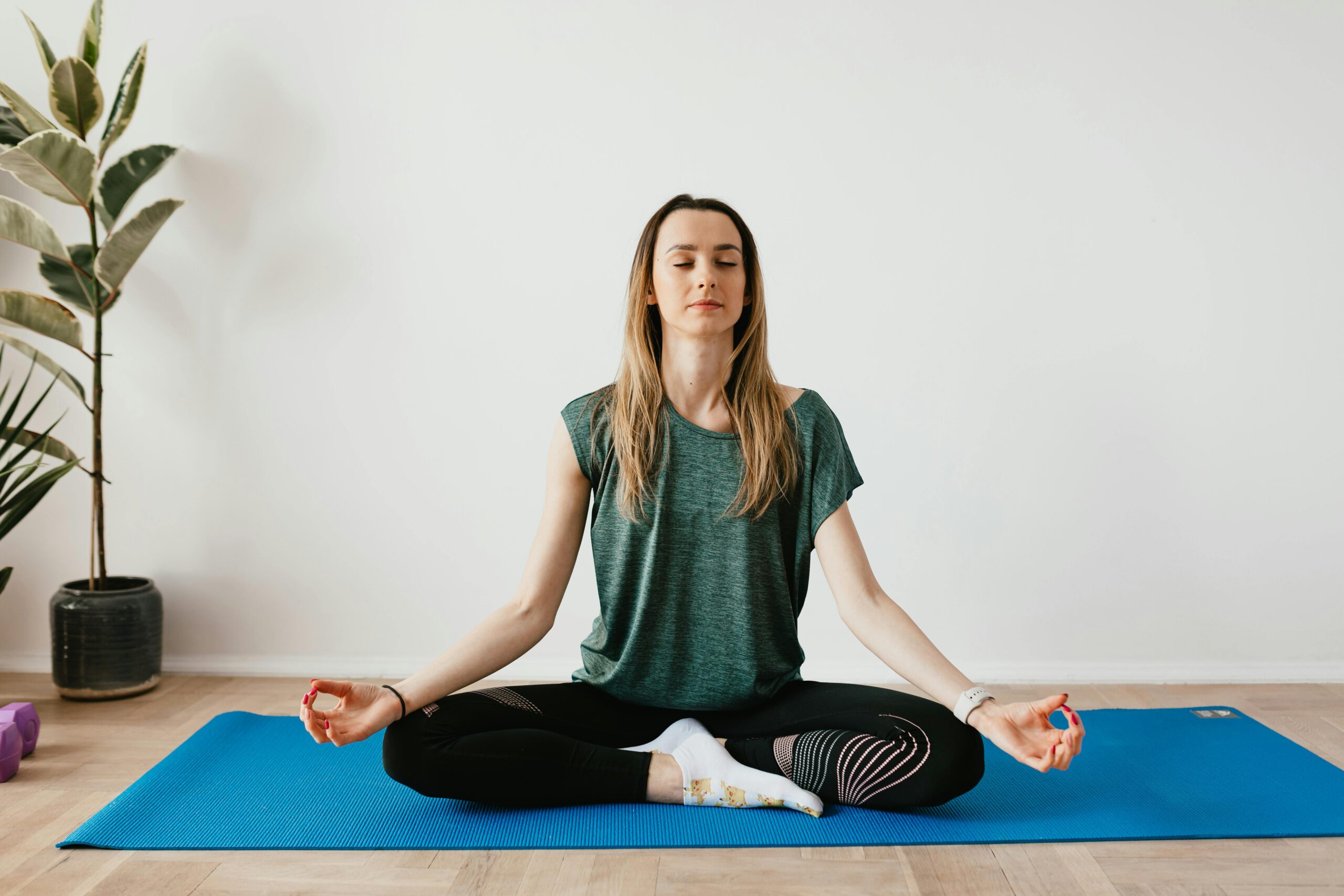
Your breath is the bridge between your conscious and subconscious mind, holding untapped potential to transform your focus, productivity, and mental clarity in ways you never imagined.

🧠 The Hidden Connection Between Breathing and Mental Performance
Most people breathe approximately 20,000 times per day without giving it a second thought. Yet this automatic process directly influences your brain’s oxygen supply, stress hormone levels, and cognitive function. Scientific research has consistently shown that controlled breathing patterns can significantly enhance mental performance, decision-making abilities, and sustained attention.
When you’re stressed or overwhelmed, your breathing becomes shallow and rapid, triggering your sympathetic nervous system and flooding your body with cortisol. This physiological response might have helped our ancestors escape predators, but in modern work environments, it sabotages productivity and creates mental fog. Understanding how to consciously manipulate your breath gives you a powerful tool to regulate your nervous system and optimize your mental state on demand.
Neuroscientists have discovered that breath control directly affects the electrical activity in your brain, particularly in regions responsible for attention, emotion regulation, and executive function. When you learn to master your breathing patterns, you’re essentially gaining direct access to your brain’s control panel.
⚡ Why Traditional Focus Techniques Often Fail
You’ve probably tried countless productivity hacks: eliminating distractions, using time-blocking methods, drinking more coffee, or downloading the latest focus app. While these strategies have their place, they often address symptoms rather than the root cause of scattered attention.
The fundamental issue is that most people operate in a perpetual state of mild stress, with breathing patterns that reinforce distraction rather than concentration. Your nervous system remains in a semi-activated state, making deep focus physiologically difficult. No amount of willpower or organizational systems can overcome a dysregulated nervous system.
Breath control works differently because it addresses the biological foundation of attention. When you regulate your breathing, you’re not fighting against your physiology—you’re working with it. This approach requires no external tools, costs nothing, and can be implemented anywhere, anytime.
🌬️ The Science Behind Breath-Powered Focus
Your respiratory system and nervous system are intimately connected through the vagus nerve, the longest cranial nerve in your body. This nerve acts as a communication highway between your brain and organs, and its activity directly influences your mental state. Specific breathing patterns can stimulate the vagus nerve, activating your parasympathetic nervous system and creating optimal conditions for focused work.
Research published in neuropsychology journals demonstrates that controlled breathing increases alpha brain wave activity associated with relaxed alertness. This state represents the sweet spot for productivity—calm enough to avoid anxiety, yet alert enough to maintain sharp focus. Additionally, proper breathing improves oxygen delivery to your prefrontal cortex, the brain region responsible for complex thinking and impulse control.
Carbon dioxide levels in your blood also play a crucial role. Many people unknowingly hyperventilate throughout the day, reducing CO2 levels and paradoxically decreasing oxygen delivery to tissues despite breathing more. Proper breath control maintains optimal CO2 levels, ensuring your brain receives the oxygen it needs for peak performance.
💪 Core Breathing Techniques for Enhanced Productivity
Box Breathing for Immediate Calm Focus
Box breathing, also known as square breathing, creates balanced mental states ideal for tackling challenging tasks. This technique involves breathing in for four counts, holding for four counts, exhaling for four counts, and holding empty for four counts. Navy SEALs use this method to maintain composure in high-stress situations.
To practice box breathing, find a comfortable seated position and place one hand on your chest and the other on your abdomen. Breathe in through your nose while counting to four, feeling your belly expand. Hold for four counts, then exhale through your mouth for four counts, and finally hold empty for four counts. Repeat this cycle for five to ten minutes before important work sessions.
This technique works because it creates rhythmic neural oscillations that synchronize your autonomic nervous system, reducing mental noise and sharpening attention. You’ll notice an immediate sense of grounded alertness perfect for complex problem-solving.
Alternate Nostril Breathing for Mental Clarity
This ancient yogic practice balances the left and right hemispheres of your brain, promoting whole-brain thinking and creativity alongside analytical focus. Studies show that alternate nostril breathing can improve cognitive function and reduce anxiety within minutes.
Use your right thumb to close your right nostril and inhale through your left nostril for four counts. Close your left nostril with your right ring finger, release your thumb, and exhale through your right nostril for four counts. Inhale through your right nostril, then switch and exhale through your left. Continue alternating for five to ten minutes.
Many practitioners report feeling mentally refreshed and balanced after this exercise, with improved ability to switch between creative thinking and logical analysis—essential skills for knowledge work.
The 4-7-8 Technique for Rapid Mental Reset
When you need to quickly shift from a scattered state to focused concentration, the 4-7-8 breathing pattern delivers fast results. This technique acts as a natural tranquilizer for your nervous system, reducing cortisol and preparing your mind for sustained attention.
Exhale completely through your mouth, making a whoosh sound. Close your mouth and inhale quietly through your nose for four counts. Hold your breath for seven counts. Exhale completely through your mouth for eight counts, making the same whoosh sound. This completes one cycle. Repeat for four total cycles.
The extended hold and exhale activate your parasympathetic nervous system more strongly than other techniques, making this particularly effective when transitioning from stressful activities to focused work.
📊 Creating Your Breath-Based Productivity System
Integrating breath control into your daily routine requires strategic planning rather than random practice. The most successful approach involves connecting breathing exercises to specific productivity goals and work phases throughout your day.
Morning sessions should focus on energizing breath work to activate your mind without creating anxiety. Mid-day practices help you push through the afternoon slump without relying on caffeine. Evening breathing prepares your system for quality recovery, ensuring you wake refreshed and ready for another productive day.
The Power of Breath Anchoring
Breath anchoring involves pairing specific breathing patterns with particular work activities, creating powerful neural associations. Over time, your brain learns to automatically enter focused states when you engage these breathing patterns.
Start by identifying your three most important daily work activities. Assign each a specific breathing technique. For example, use box breathing before writing sessions, alternate nostril breathing before creative work, and 4-7-8 breathing before analytical tasks. Practice these pairings consistently for three weeks to establish strong neural pathways.
Your brain will begin associating these breathing patterns with their corresponding mental states, making it progressively easier to access deep focus on command. This conditioning effect multiplies the benefits of breath work exponentially over time.
🎯 Advanced Strategies for Breath-Enhanced Flow States
Flow states represent the pinnacle of focused productivity—those magical periods when hours pass like minutes and your output quality skyrockets. While flow has a mystical reputation, breath control provides a reliable entry ramp into these coveted states.
Research on flow states reveals that they occur when your nervous system reaches a specific balance: enough arousal to maintain engagement, but not so much that anxiety interferes. Breath manipulation lets you fine-tune this balance with precision.
Begin your deep work session with five minutes of coherent breathing: inhaling for five counts and exhaling for five counts. This creates heart rate variability coherence, an optimal physiological state for sustained performance. Once you’ve established this rhythm, gradually extend your focus period while maintaining awareness of your breath quality.
The Breath Check-In Protocol
Even with excellent breathing practices, your pattern will drift during extended work sessions. Implementing regular breath check-ins prevents this drift and maintains optimal mental states.
Set a gentle timer for every 25 minutes during focused work. When it sounds, pause briefly to assess your breathing: Is it shallow or deep? Fast or slow? Tense or relaxed? Take three conscious breaths—deep inhales and full exhales—then resume work. This micro-intervention takes less than 30 seconds but significantly extends your capacity for sustained attention.
These check-ins also serve as metacognitive moments, helping you recognize when you’ve slipped into distraction before you’ve wasted significant time. This awareness itself becomes a powerful productivity tool.
🔬 Tracking Your Progress and Results
Measuring the impact of breath work on your productivity creates motivation and helps you optimize your practice. While breath control’s benefits are sometimes subjective, tracking specific metrics reveals objective improvements over time.
Monitor these key indicators: time spent in deep focus before experiencing distraction, perceived mental energy levels throughout the day, quality of output during focused sessions, and recovery time needed between demanding tasks. Keep a simple log noting your breathing practice and these metrics.
After two to three weeks of consistent practice, patterns will emerge showing correlations between specific techniques and productivity outcomes. You might discover that box breathing works better for analytical work while alternate nostril breathing enhances creative sessions. This personalized data lets you refine your approach for maximum effectiveness.
🚀 Overcoming Common Obstacles and Resistance
Despite breath control’s simplicity and effectiveness, most people encounter resistance when establishing a consistent practice. Understanding these obstacles helps you navigate them successfully.
The most common barrier is impatience—expecting immediate, dramatic results after a single session. While breath work often produces noticeable effects quickly, its most powerful benefits accumulate through regular practice. Approach it as a skill to develop rather than a quick fix.
Another challenge is remembering to practice during busy, stressful periods—precisely when you need it most. Address this by creating environmental cues: sticky notes on your monitor, calendar notifications, or pairing breath work with existing habits like your morning coffee or lunch break.
Some people feel self-conscious practicing breathing exercises in open offices or public spaces. Fortunately, many techniques can be modified for discretion. Coherent breathing looks like normal breathing to observers, and you can practice box breathing silently without obvious chest movement once you develop proficiency.
🌟 Integrating Breath Mastery into Your Lifestyle
True breath mastery extends beyond isolated practice sessions into unconscious competence—automatically maintaining optimal breathing patterns throughout your day. This level of integration transforms not just your productivity but your entire relationship with stress and mental performance.
Start noticing your breathing during everyday activities: walking, eating, conversing, and waiting. These awareness moments gradually retrain your default breathing pattern from shallow and irregular to deep and rhythmic. Over time, your baseline state shifts toward the calm alertness that supports sustained focus.
Consider combining breath work with other productivity practices for synergistic effects. Pair it with strategic caffeine timing, regular movement breaks, and environmental optimization. Each element enhances the others, creating a comprehensive system for peak mental performance.
Building a Supportive Practice Environment
Your physical environment significantly influences your ability to maintain effective breathing practices. Create dedicated spaces for breath work that minimize distractions and maximize comfort. This might be a specific chair, a particular corner of your office, or even a parked car during lunch breaks.
Consistent location creates another powerful neural association, making it easier to drop into focused states. Your brain recognizes the environmental cues and begins the transition even before you start your breathing practice.

💡 The Long-Term Transformation
After weeks and months of consistent breath control practice, you’ll notice changes that extend far beyond productivity. Your stress resilience improves, emotional regulation becomes easier, and your capacity for sustained attention expands dramatically. These benefits compound over time, creating an upward spiral of enhanced mental performance.
Many practitioners report that breath mastery changes their fundamental relationship with work. Tasks that once felt overwhelming become manageable. Procrastination decreases as you develop confidence in your ability to access focused states on demand. Creative insights emerge more frequently as your nervous system spends more time in receptive states.
Perhaps most importantly, you develop genuine self-reliance for managing your mental state. Rather than depending on external circumstances, productivity apps, or stimulants to focus, you possess an internal tool that works anywhere, anytime. This autonomy creates a profound sense of empowerment that extends into all areas of life.
Your breath has been with you since birth, quietly sustaining life while holding dormant potential for extraordinary mental performance. By learning to harness this power consciously, you unlock capabilities that seemed impossible with willpower alone. The journey from unconscious breathing to masterful breath control represents one of the most valuable skills you can develop—transforming not just your productivity, but your entire experience of mental clarity and focused presence.
Start today with just five minutes of conscious breathing before your most important work. Notice the difference, track your progress, and gradually expand your practice. The laser-focused productivity you seek isn’t found in the next app or productivity system—it’s available right now, in the space between your next inhale and exhale. 🌬️✨