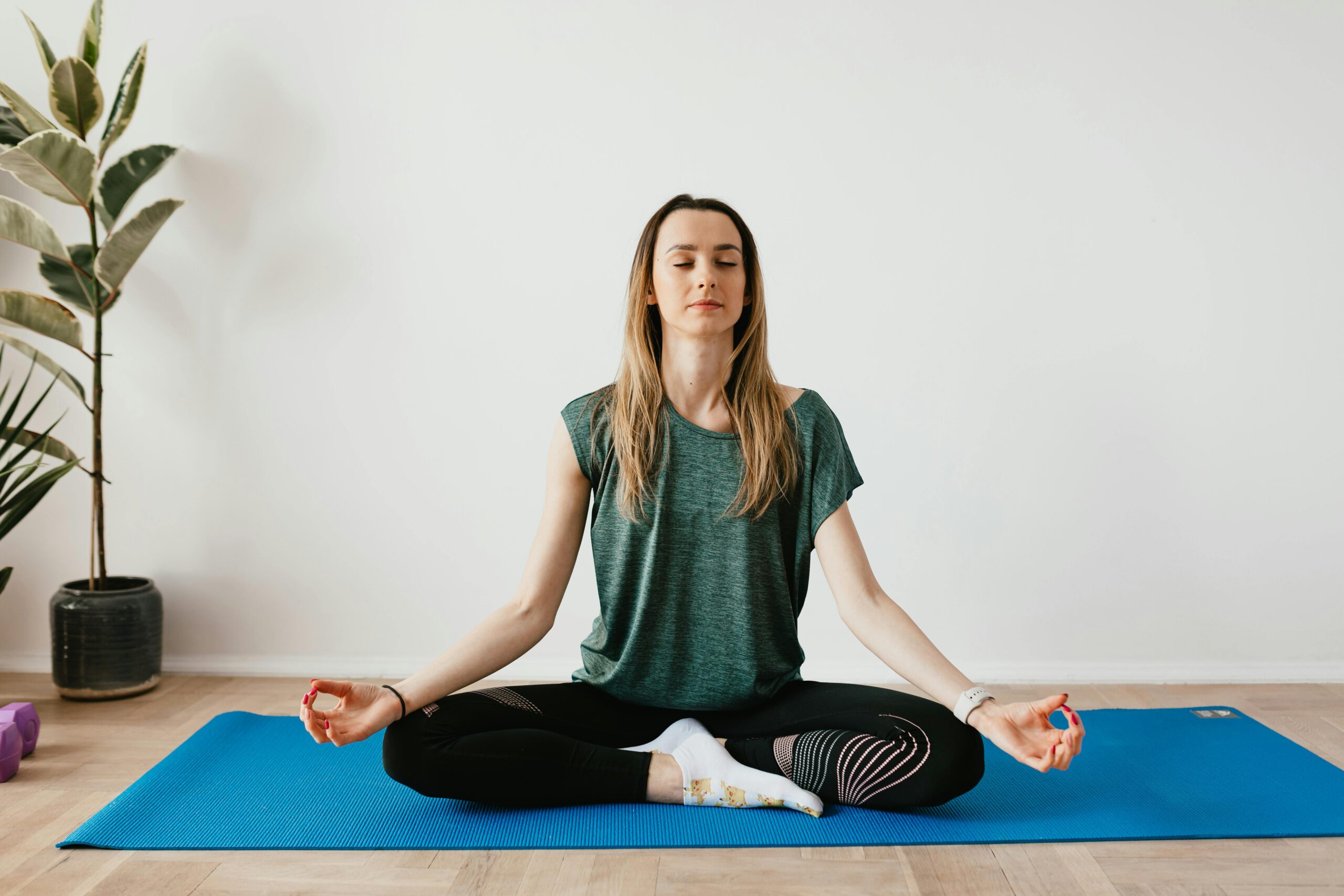
Breath is the bridge between your conscious mind and subconscious body, holding transformative power that most people overlook daily. ✨

Every moment of your life depends on breathing, yet how often do you truly pay attention to it? Conscious pranic breathing isn’t just about inhaling and exhaling—it’s an ancient practice that unlocks dormant potential within your mind, body, and spirit. This comprehensive guide will walk you through the profound art of breathwork and show you how to harness its remarkable benefits for complete personal transformation.
Understanding Prana: The Life Force Within Your Breath 🌬️
Prana is a Sanskrit term that translates to “life force” or “vital energy.” Ancient yogic traditions recognized thousands of years ago what modern science is only beginning to understand: breath carries more than just oxygen. It transports subtle energy that influences every cell, thought, and emotion in your being.
When you breathe unconsciously, you typically use only a fraction of your lung capacity, operating on autopilot. This shallow breathing pattern limits oxygen intake and restricts the flow of prana throughout your energy channels, known as nadis. The result? Fatigue, mental fog, emotional instability, and a disconnection from your true potential.
Conscious pranic breathing transforms this automatic process into a powerful tool for self-mastery. By deliberately controlling your breath patterns, you gain access to states of consciousness, physical vitality, and spiritual awareness that remain hidden during normal breathing.
The Science Behind Breathwork and Transformation
Modern research has validated what ancient practitioners knew intuitively. Studies show that controlled breathing directly influences your autonomic nervous system—the control center for stress responses, heart rate, digestion, and immune function.
When you engage in conscious breathing practices, several physiological changes occur simultaneously:
- Your parasympathetic nervous system activates, triggering the relaxation response
- Cortisol levels decrease, reducing stress and inflammation throughout your body
- Brain wave patterns shift toward alpha and theta states associated with meditation and creativity
- Oxygen delivery to cells improves, enhancing energy production at the mitochondrial level
- Lymphatic circulation increases, supporting detoxification and immune function
Neuroscientists have discovered that breathwork affects brain regions responsible for emotion regulation, including the amygdala and prefrontal cortex. This explains why breathing exercises can quickly shift you from anxiety to calm, from confusion to clarity.
Fundamental Pranic Breathing Techniques for Beginners
Starting your conscious breathing journey doesn’t require advanced training or special equipment. These foundational techniques will help you establish a solid practice that grows with you over time.
Three-Part Yogic Breath (Dirga Pranayama)
This technique teaches you to access your full lung capacity by breathing into three distinct areas: your belly, ribcage, and upper chest. Sit comfortably with your spine straight. Place one hand on your abdomen and the other on your chest.
Inhale slowly through your nose, first filling your lower belly, then expanding your ribcage, and finally lifting your upper chest. Exhale in reverse order, releasing from the chest, then ribs, then belly. Practice this for five to ten minutes daily to establish a deeper breathing pattern.
Alternate Nostril Breathing (Nadi Shodhana)
This balancing technique harmonizes the left and right hemispheres of your brain while clearing energy channels. Using your right hand, close your right nostril with your thumb and inhale through the left nostril. Close the left nostril with your ring finger, release the right nostril, and exhale through the right side.
Inhale through the right nostril, close it, and exhale through the left. This completes one cycle. Continue for five to fifteen minutes, noticing how this practice creates mental clarity and emotional equilibrium.
Box Breathing (Sama Vritti)
Used by Navy SEALs and high-performance athletes, box breathing creates rhythm and control. Inhale for a count of four, hold your breath for four counts, exhale for four, and hold empty for four counts. This equal-ratio breathing calms your nervous system rapidly and enhances focus.
Advanced Techniques for Deep Transformation 🔥
Once you’ve mastered the fundamentals, these advanced practices will take your breathwork to transformative levels, unlocking profound states of awareness and healing.
Breath of Fire (Kapalabhati)
This energizing technique involves rapid, rhythmic exhalations powered by your abdominal muscles. Sit with a straight spine and take a deep breath. Exhale forcefully through your nose while pulling your navel toward your spine. Allow the inhale to happen passively. Continue this pumping action for 30 to 60 seconds.
Breath of Fire generates internal heat, increases energy, and clears mental cobwebs. It’s particularly effective for morning practice when you need to shift from grogginess to alertness. Avoid this technique if you’re pregnant, have high blood pressure, or suffer from respiratory conditions.
Holotropic Breathwork
Developed by psychiatrist Stanislav Grof, holotropic breathwork uses accelerated breathing to induce non-ordinary states of consciousness. This powerful method involves continuous, deep breathing for extended periods (typically 30-60 minutes) while lying down, often accompanied by evocative music.
This practice can surface deeply buried emotions and memories, facilitating psychological healing and spiritual insights. Due to its intensity, holotropic breathwork should initially be practiced with trained facilitators who can provide proper guidance and support.
Wim Hof Method
Named after the “Iceman,” this technique combines specific breathing patterns with cold exposure and mental focus. The breathing protocol involves 30-40 deep breaths followed by a breath retention, repeated for several rounds.
Research on the Wim Hof Method has shown remarkable results, including voluntary influence over the immune system—something previously considered impossible. Practitioners report increased energy, improved immune function, better stress management, and enhanced mental clarity.
Creating Your Personal Breathwork Practice
Consistency transforms occasional breathwork into a life-changing habit. Building a sustainable practice requires intention, structure, and patience with yourself as you develop this new skill.
Start with just five minutes daily rather than attempting hour-long sessions that become unsustainable. Choose a specific time—morning is ideal for energizing practices, while evening works better for calming techniques. Create a dedicated space free from distractions where you can sit comfortably.
Track your practice in a journal, noting the technique used, duration, and any physical sensations, emotions, or insights that arise. This record becomes invaluable for identifying patterns and measuring progress over time.
Physical Benefits: Healing Your Body Through Breath 💪
The physical transformations from consistent pranic breathing extend far beyond simple relaxation. Your entire physiology responds to conscious breathwork in measurable, beneficial ways.
Respiratory efficiency improves dramatically as you learn to utilize your full lung capacity. Many people breathe shallowly into only the upper chest, using perhaps 30% of their lungs. Conscious breathing retrains this pattern, increasing oxygen availability and reducing the work your heart must do to circulate blood.
Digestive function benefits significantly from breathwork. Deep breathing massages your internal organs, stimulating peristalsis and improving nutrient absorption. The parasympathetic activation that occurs during slow breathing enhances digestive enzyme production and gut motility.
Chronic pain conditions often improve with regular breathwork practice. By reducing systemic inflammation and shifting your nervous system away from fight-or-flight mode, conscious breathing helps interrupt pain cycles. Many practitioners report substantial relief from conditions like fibromyalgia, arthritis, and tension headaches.
Blood pressure regulation represents another significant benefit. Multiple studies demonstrate that slow, controlled breathing lowers both systolic and diastolic blood pressure, sometimes as effectively as medication for those with mild hypertension.
Mental and Emotional Transformation Through Conscious Breathing 🧠
Perhaps the most immediately noticeable effects of pranic breathing occur in your mental and emotional landscape. Anxiety, depression, and mental fog often respond remarkably to consistent breathwork practice.
Anxiety disorders involve a dysregulated nervous system stuck in hyperarousal. Conscious breathing directly counteracts this state by activating vagal tone—the activity of your vagus nerve, which promotes calm and social connection. Within minutes of proper breathwork, racing thoughts slow, muscle tension releases, and catastrophic thinking patterns interrupt.
Depression, while complex and multifactorial, often involves low energy and disconnection from the body. Energizing breathing techniques increase vitality and reestablish the mind-body connection that depression disrupts. Combined with professional treatment, breathwork becomes a powerful complementary tool for managing depressive symptoms.
Cognitive performance improves through enhanced oxygenation and the neuroplastic changes breathwork induces. Memory consolidation, creative problem-solving, and sustained attention all benefit from regular practice. Many students and professionals use brief breathing exercises before important tasks to optimize mental performance.
Spiritual Awakening: Breath as a Portal to Higher Consciousness 🌟
Beyond physical health and emotional balance, conscious pranic breathing serves as a direct path to spiritual development and expanded awareness. Mystics, yogis, and meditation masters across traditions have used breath as the vehicle for transcendent experiences.
Breathwork quiets the constant mental chatter that obscures your true nature. As you focus on the breath, the space between thoughts gradually expands. In this spaciousness, you begin to experience yourself as the awareness witnessing thoughts rather than being identical with them—a fundamental shift in consciousness.
Many practitioners report profound mystical experiences during extended breathwork sessions: feelings of unity with all existence, encounters with archetypal imagery, spontaneous insights into life’s purpose, and experiences of unconditional love and bliss. While such peak experiences shouldn’t become the goal, they naturally arise as your practice deepens.
The dissolution of ego boundaries that breathwork facilitates allows you to access wisdom beyond your normal identity. This connection to something greater—whether you call it the Higher Self, Divine Consciousness, or Universal Intelligence—provides guidance, healing, and transformation that the thinking mind alone cannot achieve.
Integrating Breathwork with Other Practices
Conscious breathing amplifies the benefits of virtually every other wellness practice. Consider how breathwork enhances these complementary disciplines:
Meditation deepens significantly when preceded by breathwork. The calming and focusing effects prepare your mind for stillness, allowing you to access meditative states more quickly and sustainably. Many meditation teachers begin sessions with pranayama specifically for this reason.
Yoga asana practice becomes more therapeutic when synchronized with conscious breathing. Each movement coordinated with breath creates a moving meditation that integrates body and mind. The traditional yoga principle of “breath leads movement” recognizes this fundamental relationship.
Exercise performance improves through proper breathing techniques. Athletes who learn to control their breath during training can maintain effort longer, recover faster, and achieve flow states more consistently. Running, swimming, and weightlifting all benefit from breathwork training.
Psychotherapy outcomes enhance when clients learn breathwork skills. Therapists increasingly incorporate breathing techniques into treatment protocols for trauma, anxiety, and emotional regulation difficulties. The body-based nature of breathwork complements talk therapy’s cognitive approaches.
Common Challenges and How to Overcome Them
Every practitioner encounters obstacles when developing a breathwork practice. Understanding common challenges helps you navigate them without discouragement.
Physical discomfort during practice often arises initially. Dizziness, tingling sensations, muscle cramps, or emotional releases can surprise new practitioners. These sensations typically indicate your body releasing stored tension or adapting to increased oxygen and energy flow. They usually diminish with continued practice.
If dizziness becomes intense, simply return to normal breathing until it passes. The tingling sensations in hands and feet result from shifts in blood CO2 levels and are generally harmless. Stay with gentle techniques initially, building gradually toward more intense practices.
Resistance and restlessness represent your mind’s discomfort with the present moment. When your practice feels boring or you struggle to sit still, recognize this as the very pattern breathwork helps transform. Approach resistance with curiosity rather than judgment, gently returning focus to your breath each time attention wanders.
Scheduling consistency challenges most people. Life’s demands easily crowd out practices that lack urgency. Treat breathwork appointments with yourself as non-negotiable, just like important meetings. Consider morning practice before daily chaos begins, or use breathing techniques during existing routines like commuting or before meals.
Safety Considerations and Contraindications ⚠️
While breathwork offers tremendous benefits, certain conditions require caution or modification of practice. Always consult healthcare providers before beginning intensive breathwork if you have medical conditions.
Pregnancy requires avoiding breath retention and intense techniques like Breath of Fire. Gentle, calming practices remain safe and beneficial throughout pregnancy. Cardiovascular conditions, particularly uncontrolled high blood pressure or recent heart attack, necessitate medical clearance before vigorous breathwork.
Respiratory conditions like severe asthma or COPD may require modified approaches. Start extremely gently and never force the breath. Psychiatric conditions including bipolar disorder, schizophrenia, or severe PTSD require professional guidance when practicing intensive breathwork, as it can temporarily intensify symptoms.
Never practice breath retention techniques while driving, swimming, or in any situation where loss of consciousness would create danger. Intense breathwork can occasionally cause temporary lightheadedness or fainting.
Measuring Your Progress and Deepening Practice
Transformation through breathwork happens gradually, making progress sometimes difficult to recognize. These markers help you track your development and stay motivated through plateaus.
Physical indicators include increased lung capacity (measurable through spirometry or simply noticing you can hold your breath longer), improved resting heart rate, and better heart rate variability—a key marker of nervous system health. You might notice needing less sleep while feeling more energized, or recovering from illness more quickly.
Psychological changes manifest as greater emotional stability, reduced reactivity to stressors, improved concentration, and enhanced creativity. You may find yourself responding thoughtfully to situations that previously triggered automatic reactions. Relationships often improve as your increased self-regulation and presence benefit interactions.
Spiritual progress appears as increased synchronicity, intuitive guidance, sense of purpose, and connection to something beyond your individual self. You might experience spontaneous insights, meaningful dreams, or a deepening sense of peace that persists regardless of external circumstances.

Your Breath, Your Transformation: Beginning Today
The journey of unlocking your potential through conscious pranic breathing begins with a single intentional breath. You don’t need special equipment, expensive classes, or perfect conditions—just willingness to turn attention toward the breath that has sustained you since birth.
Start today with five minutes of simple awareness. Sit comfortably, close your eyes, and notice your natural breathing rhythm without changing it. Observe the cool air entering your nostrils, your chest and belly expanding, the slight pause at the top of the inhale, and the warm air leaving your body. This simple practice plants the seed of transformation.
As you continue exploring the techniques shared here, remember that breathwork is ultimately about coming home to yourself—reconnecting with the wisdom, vitality, and peace that always reside within you. Each conscious breath is an act of self-care, a moment of meditation, and a step toward becoming the fullest expression of your potential.
Your breath has carried you through every moment of your life, waiting patiently for you to recognize its transformative power. The time to harness that power is now. Breathe consciously, live fully, and watch as your mind, body, and spirit transform in ways you never imagined possible. 🌈