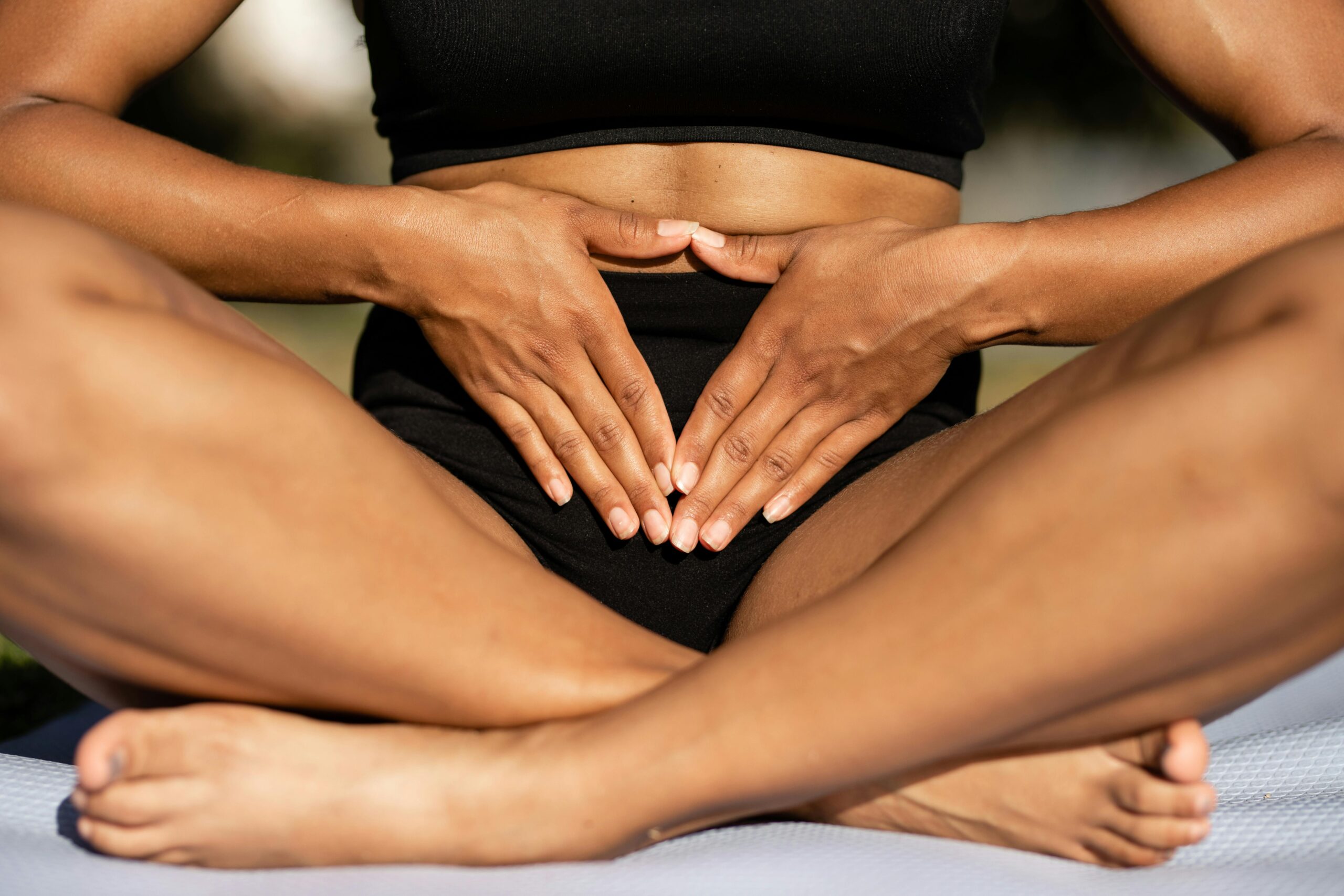
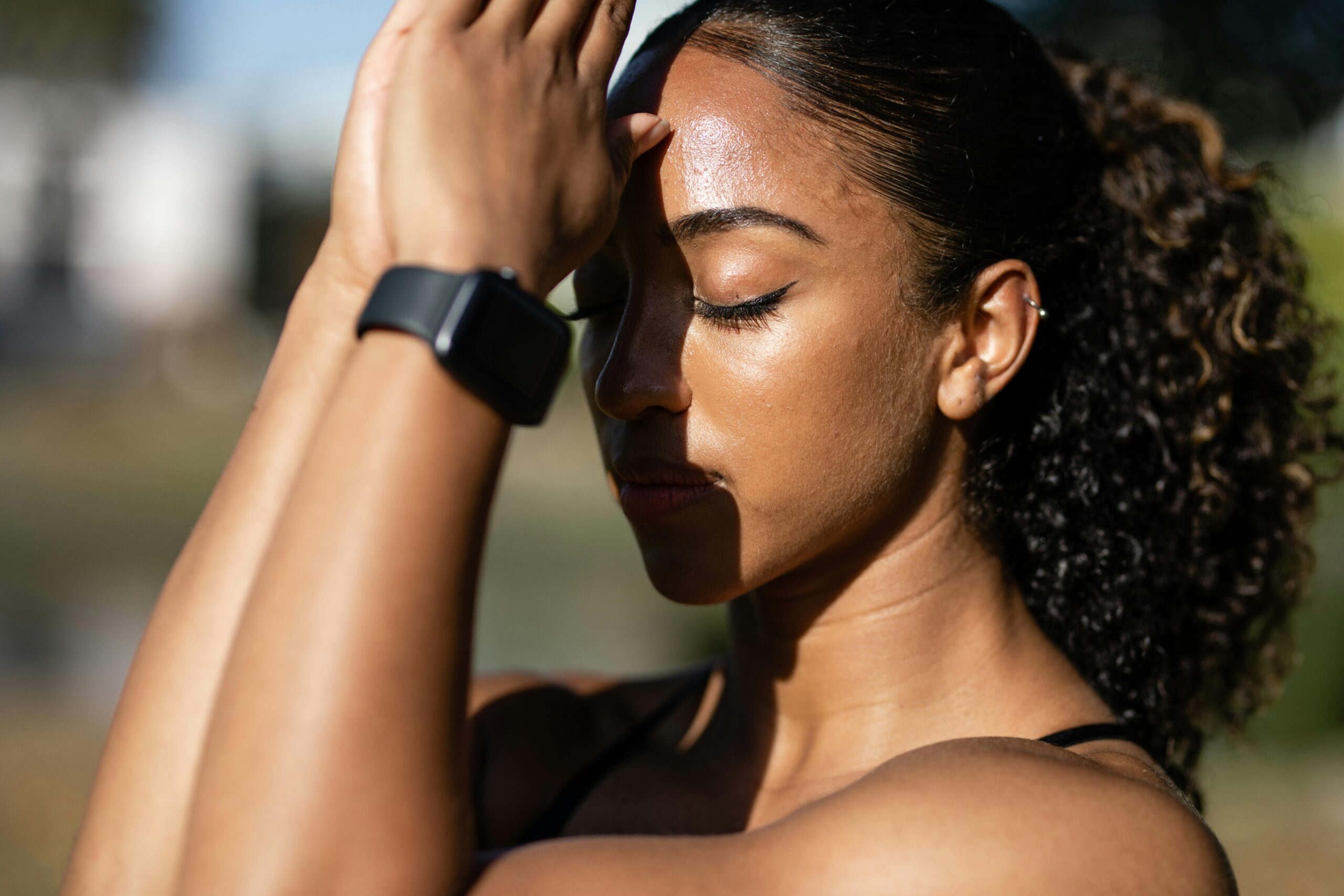
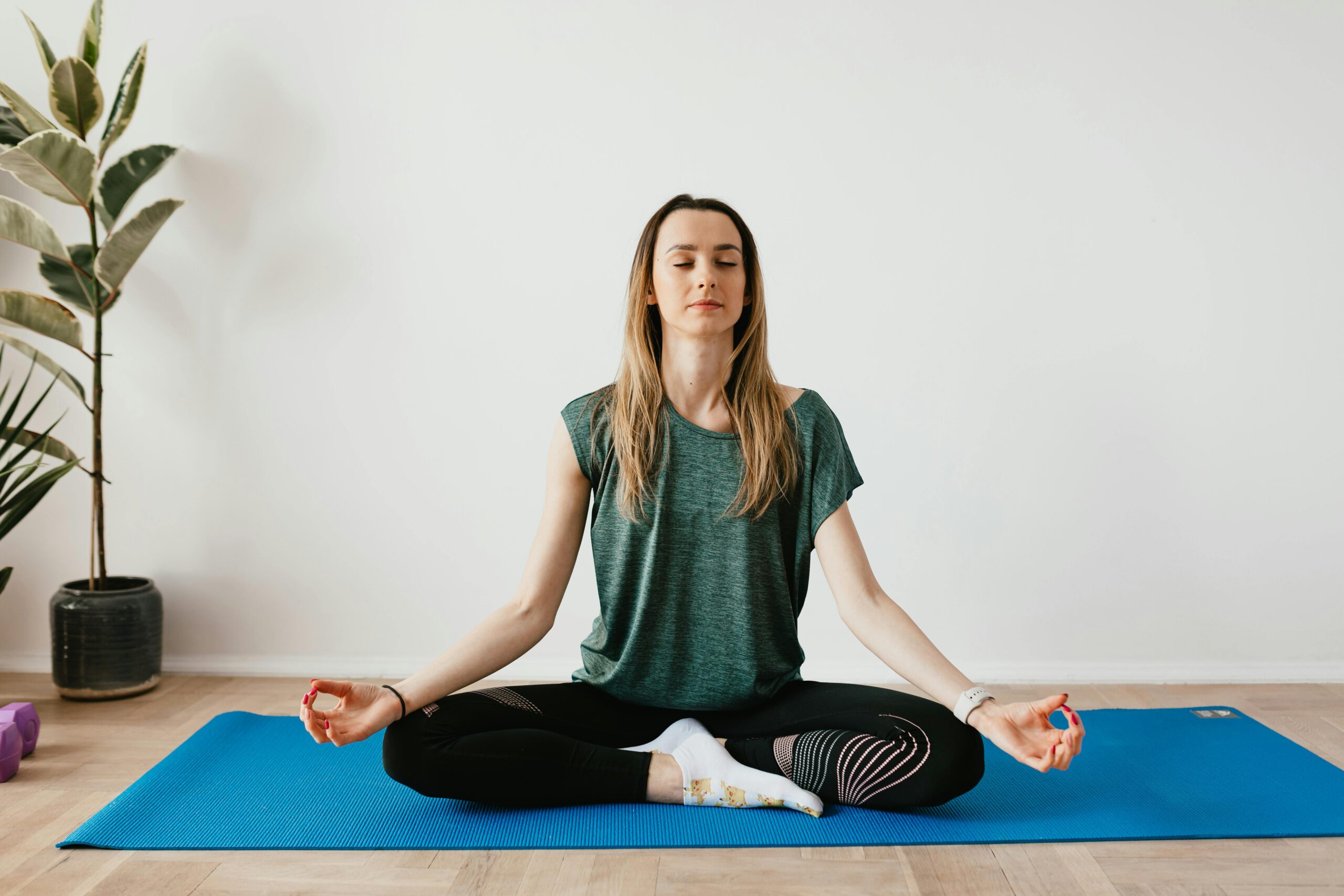
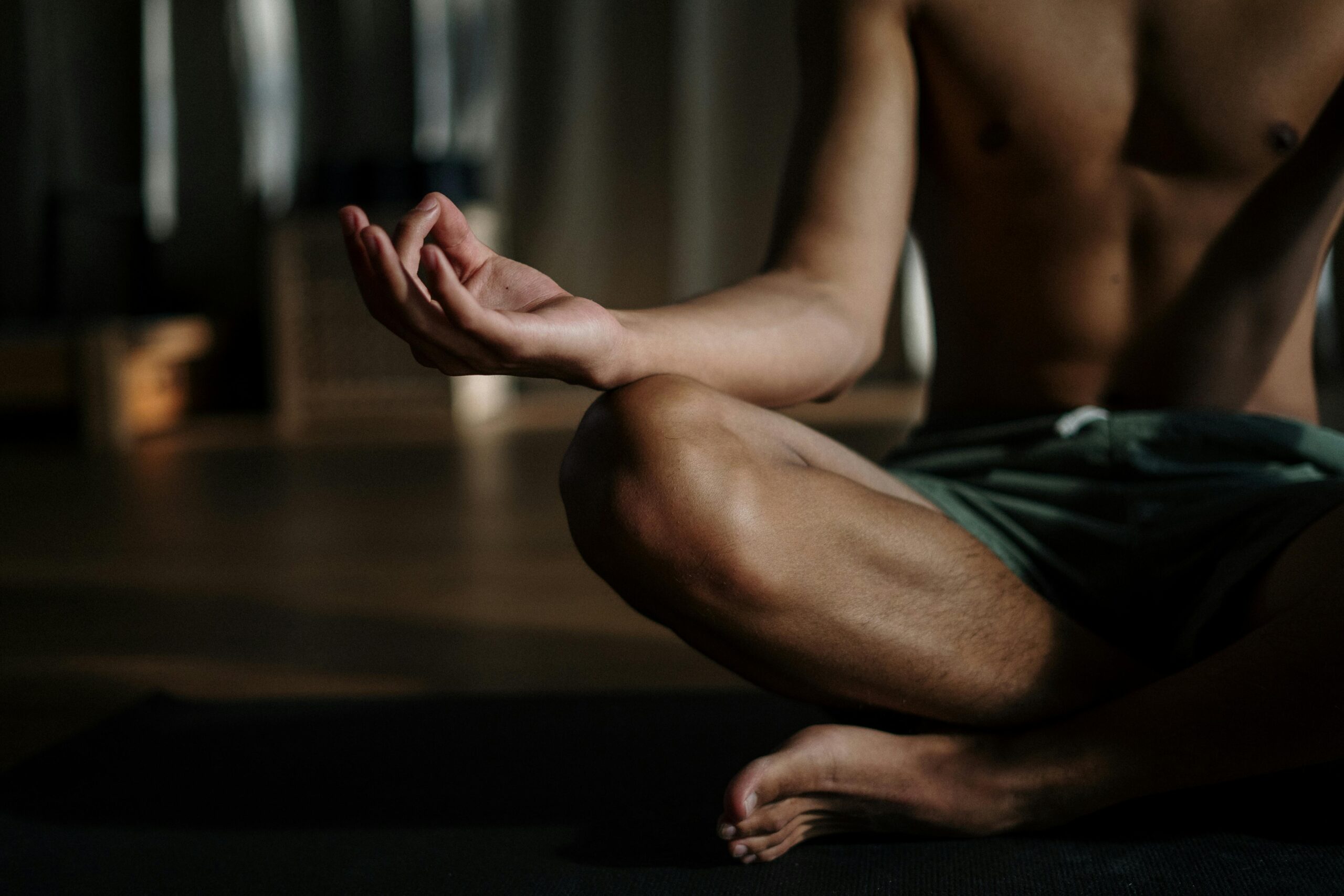
Movement and mindfulness merge to create a transformative practice that grounds us in the present moment while honoring our body’s natural wisdom and energy.

In our fast-paced, digitally saturated world, finding balance and presence has become increasingly challenging. We’re constantly bombarded with notifications, obligations, and the relentless pressure to do more, be more, and achieve more. Traditional seated meditation, while valuable, doesn’t resonate with everyone—especially those who feel restless or disconnected from stillness. This is where movement-based mindfulness emerges as a powerful alternative, offering a dynamic pathway to inner peace that honors our body’s innate need for motion.
Movement-based mindfulness represents a paradigm shift in how we approach both physical activity and mental wellness. Rather than treating exercise as merely a means to physical fitness or meditation as a purely mental practice, this integrated approach recognizes that our bodies and minds are inseparable. When we move with awareness, we create a feedback loop of presence that anchors us firmly in the now, dissolving the artificial boundary between physical and mental well-being.
🌊 The Science Behind Movement and Mindfulness
Research increasingly validates what ancient traditions have known for millennia: movement profoundly affects our mental state. When we engage in mindful movement, we activate the parasympathetic nervous system, triggering the body’s relaxation response. This physiological shift reduces cortisol levels, lowers blood pressure, and creates a cascade of beneficial neurochemical changes including increased serotonin and dopamine production.
Neuroscience reveals that physical movement enhances neuroplasticity—our brain’s ability to form new neural connections. When we combine this with mindful awareness, we’re essentially rewiring our brains for greater presence and emotional regulation. The hippocampus, responsible for learning and memory, actually increases in volume with regular mindful movement practices, while the amygdala, our brain’s fear center, shows decreased activity.
Studies from institutions like Harvard Medical School and the University of California have demonstrated that movement-based mindfulness practices can be as effective as traditional seated meditation in reducing anxiety and depression, while offering the added benefits of improved cardiovascular health, enhanced flexibility, and increased overall vitality.
✨ Core Principles of Movement-Based Mindfulness
At its essence, movement-based mindfulness rests on several foundational principles that distinguish it from both conventional exercise and traditional meditation. Understanding these principles helps practitioners develop a more authentic and effective practice.
Embodied Awareness
The first principle involves cultivating proprioception—the sense of where our body is in space. This means paying attention to the subtle sensations of muscles engaging, joints articulating, and breath flowing. Rather than dissociating from our physical experience during movement, we dive deeper into it, making the body itself an anchor for present-moment awareness.
Non-Judgmental Observation
Movement-based mindfulness encourages us to observe our physical capabilities without harsh criticism or competitive comparison. Whether we can touch our toes or not, balance on one leg or wobble—each experience becomes data rather than a referendum on our worth. This non-judgmental stance extends beyond the practice into daily life, fostering self-compassion and acceptance.
Intentional Breath Integration
Breath serves as the bridge between body and mind. In mindful movement, we synchronize breath with motion, creating a rhythmic flow that naturally quiets mental chatter. This conscious breath work oxygenates the body, calms the nervous system, and provides a constant reference point for returning when the mind wanders.
Process Over Outcome
Unlike goal-oriented fitness regimens, movement-based mindfulness emphasizes the journey rather than the destination. The practice itself is the point—not achieving a particular pose, completing a certain number of repetitions, or burning a specific number of calories. This shift in focus liberates us from the tyranny of achievement and allows genuine presence to emerge.
🧘 Practical Forms of Movement-Based Mindfulness
The beauty of movement-based mindfulness lies in its accessibility and variety. Numerous practices fall under this umbrella, each offering unique benefits while sharing core principles of awareness and presence.
Mindful Yoga
Yoga represents perhaps the most recognized form of movement-based mindfulness. Unlike power yoga or fitness-focused classes, mindful yoga emphasizes internal awareness over external achievement. Practitioners focus on the sensations arising in each pose, the quality of breath, and the subtle adjustments that bring alignment. Styles like Hatha, Yin, and Restorative yoga particularly emphasize this contemplative approach.
Walking Meditation
Walking meditation transforms one of our most automatic activities into a profound mindfulness practice. By slowing down and attending to each component of walking—the heel lifting, foot moving through space, sole contacting ground—we cultivate extraordinary presence. This practice can be done anywhere, making it exceptionally practical for daily life integration.
Tai Chi and Qigong
These ancient Chinese practices combine slow, flowing movements with breath work and meditation. Tai Chi’s graceful sequences develop balance, coordination, and internal energy awareness, while Qigong focuses on cultivating and circulating life force energy throughout the body. Both practices have demonstrated benefits for stress reduction, immune function, and cognitive health.
Mindful Running
Running need not be a dissociative escape or purely performance-driven activity. Mindful running involves maintaining awareness of breath rhythm, foot strike patterns, body posture, and the environment. Many runners report that this approach transforms their relationship with running from punishing workout to moving meditation, reducing injury and increasing enjoyment.
Dance as Meditation
Conscious dance practices like 5Rhythms, Ecstatic Dance, or simply free-form movement to music offer powerful pathways to presence. These practices encourage authentic self-expression through movement without prescribed steps or techniques. The focus on internal experience and emotional release makes dance meditation particularly valuable for processing feelings and reconnecting with joy.
💫 Integrating Movement Mindfulness into Daily Life
The true power of movement-based mindfulness emerges when we extend it beyond formal practice into everyday activities. This integration transforms ordinary moments into opportunities for presence and peace.
Micro-Practices Throughout the Day
You don’t need hour-long sessions to benefit from mindful movement. Brief practices scattered throughout your day can be remarkably effective. Take three conscious breaths while stretching at your desk. Walk mindfully to the bathroom or kitchen. Notice your posture while standing in line. These micro-practices accumulate, gradually shifting your baseline state toward greater awareness.
Morning Movement Rituals
Beginning your day with mindful movement sets a positive tone that ripples through subsequent hours. This might be a ten-minute yoga flow, a brief walk around the block with full attention, or simple stretching combined with breath work. The key is consistency and genuine presence rather than duration or intensity.
Transition Times as Practice Opportunities
The spaces between activities—commuting, waiting, moving from room to room—offer perfect opportunities for brief mindful movement. Rather than immediately reaching for your phone, try a few shoulder rolls, ankle circles, or conscious breaths. These transition practices help prevent the accumulation of tension and maintain a thread of awareness throughout the day.
🌟 Overcoming Common Obstacles
Despite its accessibility, movement-based mindfulness practice faces certain challenges. Recognizing and addressing these obstacles increases the likelihood of establishing a sustainable practice.
The “Not Enough Time” Trap
Perhaps the most common obstacle is the belief that we lack time for practice. This perception often stems from the assumption that meaningful practice requires lengthy sessions. In reality, even five minutes of mindful movement provides genuine benefits. Start small and prioritize consistency over duration—a brief daily practice outweighs sporadic marathon sessions.
Perfectionism and Self-Judgment
Many people approach movement with harsh self-criticism, comparing themselves to idealized images or feeling embarrassed by perceived limitations. Remember that mindful movement is not about achieving perfect form or matching someone else’s capabilities. Your practice is perfect exactly as it is, meeting you where you are today.
Restlessness and Resistance
Ironically, some people find movement-based mindfulness challenging because they’re accustomed to using exercise as distraction rather than presence. When we first attempt to stay present during movement, we may encounter uncomfortable emotions or racing thoughts that we’ve been unconsciously avoiding. This resistance is natural and temporary—it signals that the practice is working, bringing suppressed material into awareness where it can be processed.
Lack of Structure or Guidance
Without clear instruction, beginners may feel uncertain about how to practice effectively. Consider using guided sessions through apps, online videos, or classes until you develop confidence. Over time, you’ll internalize the principles and develop the ability to self-guide your practice.
🎯 Deepening Your Practice Over Time
As with any contemplative discipline, movement-based mindfulness reveals deeper dimensions with sustained practice. These advanced aspects emerge naturally rather than through forced effort.
Developing Somatic Intuition
With practice, you’ll develop heightened sensitivity to your body’s signals—knowing when to rest, when to push gently, what movements your body needs in any given moment. This somatic intelligence extends beyond formal practice, helping you make wiser choices about nutrition, sleep, work patterns, and relationships.
Accessing Flow States
Movement-based mindfulness creates ideal conditions for flow—that coveted state of effortless engagement where action and awareness merge. In flow, self-consciousness dissolves and we become the movement itself. These experiences are profoundly satisfying and demonstrate our capacity for complete presence.
Emotional Processing Through Motion
As practice matures, movement becomes a powerful tool for emotional release and integration. The body stores emotional material that purely cognitive approaches can’t always access. Mindful movement creates safe containers for this material to surface and discharge, leading to greater emotional freedom and resilience.
🌈 The Ripple Effects of a Mindful Movement Practice
The benefits of movement-based mindfulness extend far beyond the practice itself, influencing virtually every aspect of life. Practitioners consistently report improvements in sleep quality, as the practice regulates circadian rhythms and reduces the mental spinning that prevents rest. Relationships often improve as we develop greater emotional regulation and presence with others.
Creativity flourishes when we establish a regular mindful movement practice. The combination of increased blood flow to the brain, reduced stress hormones, and enhanced present-moment awareness creates optimal conditions for innovative thinking and problem-solving. Many people report their best ideas arising during or immediately after mindful movement sessions.
Physical health markers typically improve, including blood pressure, heart rate variability, immune function, and inflammation levels. These physiological improvements occur not through aggressive training but through the stress-reducing, system-regulating effects of mindful, moderate movement paired with breath awareness.
Perhaps most significantly, practitioners develop a fundamentally different relationship with themselves—one characterized by kindness, curiosity, and acceptance rather than harsh judgment and impossible standards. This transformed self-relationship radiates outward, affecting how we engage with challenges, relate to others, and move through the world.
🔮 Creating Your Personal Movement Mindfulness Practice
There’s no single “correct” approach to movement-based mindfulness. The most effective practice is one that resonates with your personality, lifestyle, and needs. Experiment with different modalities to discover what calls to you. Some people thrive with structured practices like yoga or Tai Chi, while others prefer the freedom of dance or mindful walking.
Consider your natural tendencies and preferences. Are you morning or evening oriented? Do you prefer solitude or community? Indoor or outdoor settings? Gentle or vigorous movement? Honor these preferences rather than forcing yourself into practices that feel like obligations.
Start with realistic commitments you can sustain. Better to practice five minutes daily than plan for hour-long sessions you never complete. As consistency develops, you can gradually extend duration or frequency. Trust that your practice will evolve organically, meeting your changing needs across different life seasons.
Finally, approach your practice with playfulness and curiosity rather than grim determination. Movement-based mindfulness should nourish rather than deplete you. If practice feels punishing or joyless, adjust your approach. The right practice for you will feel challenging yet sustainable, stretching you gently beyond comfort zones while fundamentally supporting your well-being.
Movement-based mindfulness offers a practical, accessible pathway to presence that honors our embodied nature. In a culture that often treats bodies as vehicles to be controlled and minds as problems to be solved, this integrated approach recognizes the profound wisdom available when we move with awareness. By harnessing the power of mindful movement, we cultivate balance, reduce stress, enhance health, and discover that presence is always available—just one conscious breath and movement away. Your body is already here, already moving. The invitation is simply to arrive fully, to meet this moment with awareness, and to discover the extraordinary peace available in the ordinary miracle of embodied existence. 🌿