In our fast-paced world, finding moments of stillness has become a revolutionary act of self-care that can transform your mental clarity and emotional wellbeing.

Breath-based centering techniques represent one of humanity’s oldest and most powerful tools for cultivating inner peace. These practices have been refined over thousands of years across various cultures and traditions, from ancient yogic pranayama to modern mindfulness applications. Today, scientific research continues to validate what contemplative traditions have long understood: our breath is the bridge between our body and mind, and learning to work with it consciously can unlock profound states of calm and focus.
The beauty of breath-centered practices lies in their accessibility. Unlike many wellness interventions that require expensive equipment, specialized training, or specific environments, your breath is always with you. Whether you’re sitting in a traffic jam, preparing for an important presentation, or lying awake at night, you have immediate access to this powerful centering tool.
🌬️ The Science Behind Breath and Mental State
Understanding how breathing affects your nervous system provides valuable insight into why these techniques work so effectively. Your breath directly influences your autonomic nervous system, which controls involuntary bodily functions including heart rate, digestion, and stress responses.
When you breathe rapidly and shallowly, you activate your sympathetic nervous system—the “fight or flight” response. This increases cortisol levels, elevates blood pressure, and creates feelings of anxiety and tension. Conversely, slow, deep breathing stimulates the parasympathetic nervous system—your “rest and digest” mode—promoting relaxation, mental clarity, and emotional balance.
Research published in leading neuroscience journals has demonstrated that controlled breathing exercises can reduce stress hormones, improve heart rate variability, enhance cognitive performance, and even positively influence gene expression related to inflammation and stress. These aren’t merely subjective feelings of calm; they’re measurable physiological changes that impact your health at the cellular level.
Building Your Foundation: Basic Breathing Awareness
Before diving into specific techniques, developing basic breathing awareness is essential. Most people go through life completely unconscious of their breathing patterns, often defaulting to shallow chest breathing that perpetuates stress and disconnection.
Begin by simply observing your natural breath without trying to change it. Notice where you feel the movement—in your chest, belly, or throat. Observe the temperature of the air as it enters and exits. Notice any pauses between breaths. This non-judgmental observation itself is a powerful practice that begins to create space between you and your automatic stress responses.
Set aside just five minutes daily to practice this basic awareness. You might be surprised to discover patterns you’ve never noticed before—holding your breath during concentration, breathing only into your upper chest when stressed, or the subtle shift in your breathing as emotions arise.
The Diaphragmatic Breath: Your Anchor to the Present
Diaphragmatic breathing, also called belly breathing, forms the foundation of most breath-based centering practices. This technique engages your diaphragm—the dome-shaped muscle beneath your lungs—allowing for fuller, more efficient breathing that maximizes oxygen exchange while signaling safety to your nervous system.
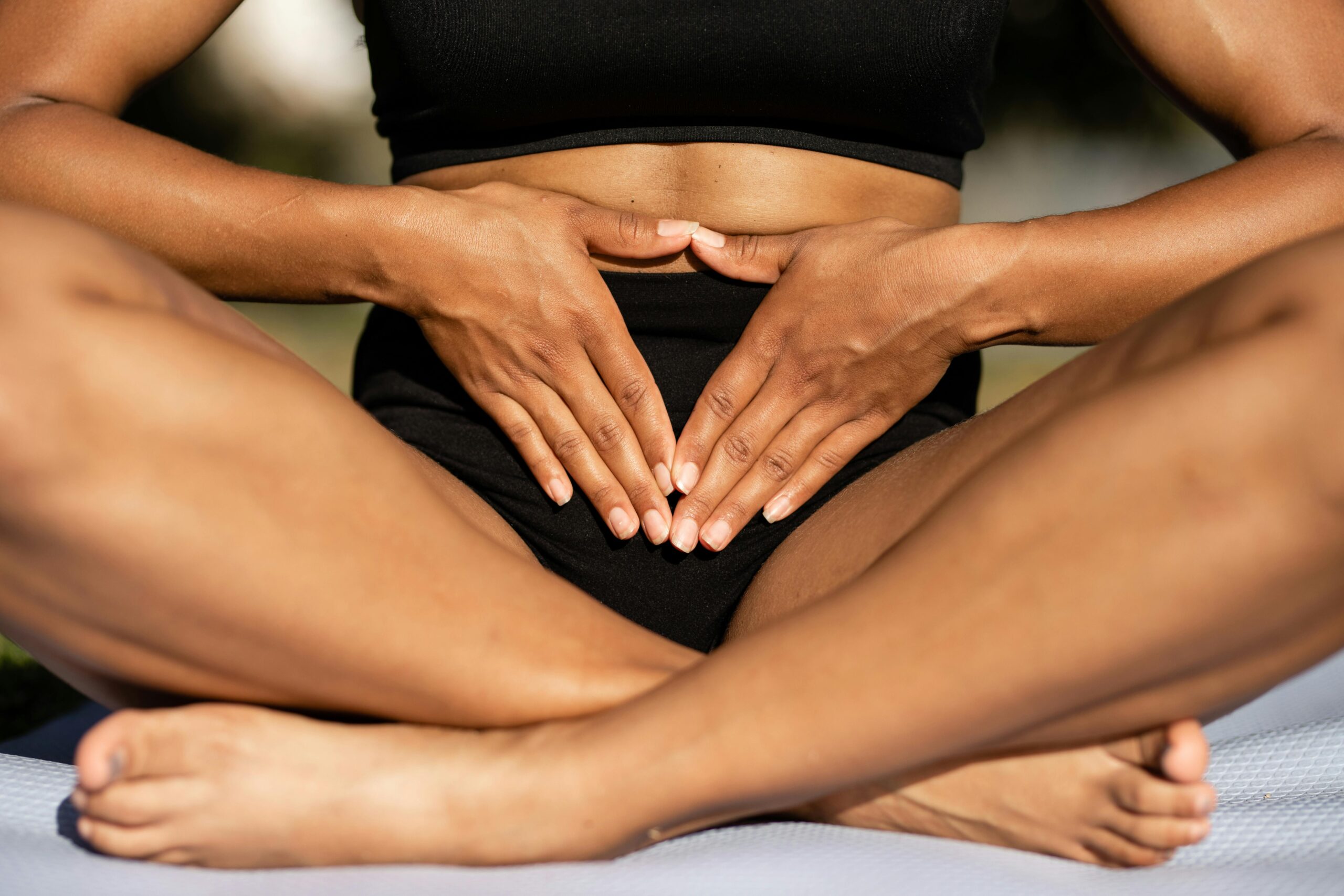
To practice diaphragmatic breathing, place one hand on your chest and one on your belly. As you inhale through your nose, allow your belly to expand like a balloon while keeping your chest relatively still. As you exhale, your belly naturally deflates. The hand on your abdomen should move significantly more than the hand on your chest.
This may feel unnatural at first, especially if you’ve developed a habit of chest breathing. Start with just a few breaths at a time, gradually increasing the duration as it becomes more comfortable. Practicing while lying down can make it easier to feel the proper movement initially.
Common Obstacles and Solutions
Many people encounter challenges when learning diaphragmatic breathing. If you feel lightheaded, you’re likely breathing too deeply or quickly—scale back the intensity. If your belly doesn’t seem to expand, tension in your abdominal muscles might be restricting movement; try consciously relaxing your stomach muscles before beginning.
Remember that this is a practice of awareness, not performance. There’s no need to force dramatic belly expansion or take excessively deep breaths. Natural, comfortable breathing that engages your diaphragm is the goal.
⚖️ The 4-7-8 Technique: A Natural Tranquilizer
Developed by Dr. Andrew Weil and based on ancient yogic breathing practices, the 4-7-8 technique is remarkably effective for rapid stress reduction and promoting sleep. This method creates a specific ratio of inhalation, retention, and exhalation that maximizes the calming effect on your nervous system.
Here’s how to practice it: Place the tip of your tongue against the ridge behind your upper front teeth throughout the exercise. Exhale completely through your mouth, making a whooshing sound. Close your mouth and inhale quietly through your nose for a count of four. Hold your breath for a count of seven. Exhale completely through your mouth for a count of eight, making the whooshing sound again. This completes one cycle.
Begin with four cycles and gradually increase to eight as the practice becomes familiar. The specific counting isn’t as important as maintaining the ratio—the exhalation should be twice as long as the inhalation, with the hold being slightly longer than the inhalation.
This technique is particularly valuable during moments of acute stress, before sleep, or when you need to quickly shift your mental state. Many practitioners find it more effective than any sleep medication they’ve tried, without any side effects.
Box Breathing: The Navy SEAL Method for Unshakeable Calm
Box breathing, also called square breathing, is used by Navy SEALs, police officers, and other high-stress professionals to maintain composure in challenging situations. This technique creates equal intervals of breathing that promote mental clarity and emotional regulation.
Visualize a square as you practice. Inhale for a count of four as you trace up the first side. Hold for four counts across the top. Exhale for four counts down the opposite side. Hold empty for four counts across the bottom. This completes one cycle of the “box.”
The equal proportions create a sense of balance and control that can be particularly grounding when you’re feeling overwhelmed or scattered. Start with a count of four and adjust as needed—some people find three or five more comfortable. The key is maintaining equal intervals rather than achieving a specific count.
Practice box breathing for five to ten minutes daily to build your capacity for remaining centered under pressure. When unexpected stress arises, even a few cycles can significantly shift your physiological state and mental clarity.
🧘 Alternate Nostril Breathing: Balancing Mind and Energy
Nadi Shodhana, or alternate nostril breathing, is a traditional yogic practice that balances the left and right hemispheres of the brain while calming the nervous system. This elegant technique has been practiced for centuries and is now supported by research showing its effectiveness for reducing anxiety and improving cardiovascular function.
Using your right hand, fold down your index and middle fingers. Use your thumb to gently close your right nostril and inhale through the left nostril. At the top of the inhalation, close the left nostril with your ring finger, release the right nostril, and exhale through the right side. Inhale through the right nostril, then switch to exhale through the left. This completes one full cycle.
Continue for five to ten minutes, maintaining a smooth, even breath throughout. The practice should feel calming, never forced or strained. Many people find this technique particularly effective for preparing for meditation or transitioning between activities.
Creating Your Personal Breath Practice Routine
While understanding individual techniques is valuable, integrating breath-based centering into your daily life requires intentional structure. The most effective approach is to establish anchor points throughout your day where you consistently return to conscious breathing.
Morning practice sets the tone for your entire day. Upon waking, before reaching for your phone, spend five minutes with diaphragmatic breathing or alternate nostril breathing. This creates a foundation of calm before engaging with external demands.
Transition breathing helps you shift between activities mindfully. Before meetings, after work, or when arriving home, take three conscious breaths using box breathing. This prevents the accumulation of stress throughout the day.
Evening wind-down using the 4-7-8 technique signals to your body that it’s time to transition toward rest. Practice this technique before bed to improve sleep quality and release accumulated tension from the day.
Building Consistency Without Overwhelm
Start small and build gradually. It’s far better to practice for five minutes daily than to aim for thirty minutes and practice inconsistently. Set realistic intentions and celebrate small wins as you develop this new habit.
Link your practice to existing habits. Breathwork before your morning coffee, during your lunch break, or while waiting for your computer to start up are all opportunities to weave these techniques into your existing routine without requiring additional time allocation.
📱 Technology as Support for Your Practice
While breath-based centering techniques require no equipment, certain applications can provide helpful guidance, especially when you’re first learning. Digital tools can offer structured sessions, reminders, and progress tracking that support consistency.
Many meditation and breathing apps offer guided sessions for various techniques, customizable timers with interval bells, and progress tracking features. However, remember that the technology serves your practice—your practice doesn’t serve the technology. If apps become sources of stress or comparison, return to the simple, unadorned practice of conscious breathing.
🌟 Advanced Integration: Breath in Daily Life
As your practice deepens, breath-based centering naturally extends beyond formal practice sessions into ordinary moments. This integration represents the true fruit of consistent practice—not just feeling calm during breathing exercises, but carrying that centeredness into your daily activities.
Notice your breath during conversations, especially challenging ones. When you feel defensive or reactive, take one conscious breath before responding. This small pause can transform your communication and relationships.
Use breath as an anchor during monotonous tasks. Whether washing dishes, commuting, or waiting in line, return your attention to your breathing. These “dead” moments become opportunities for presence rather than sources of impatience.
Employ specific techniques for specific situations. Quick box breathing before presentations, 4-7-8 breathing when anger arises, diaphragmatic breathing during physical discomfort—match the tool to the need.
When Breathing Feels Difficult: Addressing Common Challenges
Some people find focused breathing initially increases rather than decreases anxiety. If you have a history of trauma or panic attacks, breath-focused practices can sometimes trigger uncomfortable sensations or memories. This is normal and doesn’t mean breathwork isn’t for you—it may mean you need a gentler approach.
If focused breathing creates anxiety, start with extremely brief practice periods—even just three breaths. Keep your eyes open and maintain connection with your environment. Work with a trauma-informed practitioner if needed to develop modifications that feel safe for your nervous system.
For those with respiratory conditions, adapt the practices to your capacity. Never force breathing or create strain. The goal is ease and comfort, not achieving specific breath counts or depths. Consult your healthcare provider about breathing practices if you have any respiratory concerns.
Measuring Progress Beyond the Obvious
The benefits of breath-based centering practices often appear in subtle ways before dramatic shifts occur. You might notice you sleep slightly better, react less intensely to minor frustrations, or find it easier to concentrate for sustained periods. These small changes compound over time into significant transformations.
Keep a simple practice journal noting not just your formal practice time but also moments when you remembered to use conscious breathing during your day. Track qualitative experiences—how you felt before and after practice, situations where breathing techniques proved helpful, and any patterns you observe over time.
Avoid comparing your experience to others or to idealized expectations. Your practice is uniquely yours, unfolding according to your individual nervous system, history, and life circumstances. Trust the process and remain curious about your experience rather than judging it.
✨ The Ripple Effect: Beyond Personal Peace
While breath-based centering begins as a personal practice, its effects extend outward. When you cultivate inner peace and presence, you naturally bring more patience, clarity, and compassion to your interactions with others. Your nervous system regulation influences those around you through subtle cues that science is only beginning to understand.
Children particularly benefit when caregivers practice breath-based centering. Teaching simple breathing techniques to young people provides them with lifelong tools for emotional regulation. Families and workplaces become more harmonious when individuals develop capacity for self-regulation rather than expecting others to manage their emotional states.
This isn’t about achieving perfect calm or never experiencing stress. It’s about developing resilience—the capacity to experience challenges without becoming overwhelmed, to return to center after being knocked off balance, and to choose your responses rather than reacting automatically.

Your Breath, Your Sanctuary
In a world that constantly demands your attention and energy, your breath offers a portable sanctuary that no external circumstance can take away. These ancient practices, now validated by modern science, provide practical tools for navigating the complexities of contemporary life with greater ease and presence.
The journey of mastering breath-based centering is not about reaching a destination where you’re permanently calm and focused. It’s about developing a reliable practice you can return to again and again—a practice that evolves with you through different seasons of life, always available as a pathway back to your essential self.
Start today with just one conscious breath. Notice the sensation of air entering and leaving your body. In this simple act lies the seed of transformation. With patience, consistency, and self-compassion, you’ll discover that the peace and focus you seek aren’t somewhere distant—they’re as close as your next breath, waiting to be remembered and reclaimed. 🌬️✨