Deep diaphragmatic breathing is more than just a wellness trend—it’s a scientifically proven method to reduce stress, improve health, and enhance overall quality of life naturally.

🌬️ Understanding the Power of Your Breath
Every day, you take approximately 20,000 breaths without giving it a second thought. Yet most people breathe incorrectly, using only the upper chest rather than engaging the diaphragm—the powerful muscle designed specifically for efficient breathing. This shallow breathing pattern can contribute to anxiety, fatigue, poor posture, and a host of other health complications that quietly accumulate over time.
Deep diaphragmatic breathing, also known as belly breathing or abdominal breathing, activates your body’s natural relaxation response. When you breathe deeply using your diaphragm, you’re not just filling your lungs with air—you’re sending a powerful signal to your nervous system that it’s safe to relax, repair, and restore balance.
The science behind this practice is compelling. Research published in medical journals consistently demonstrates that diaphragmatic breathing can lower cortisol levels, reduce blood pressure, improve cardiovascular function, and even enhance immune system performance. These aren’t minor benefits—they’re transformative changes that can dramatically improve your daily experience of life.
What Exactly Is Diaphragmatic Breathing?
Your diaphragm is a dome-shaped muscle located at the base of your lungs, separating your chest cavity from your abdominal cavity. When functioning properly, it contracts downward as you inhale, creating space for your lungs to expand fully. This downward movement pushes your belly outward—which is why true deep breathing makes your stomach rise rather than your chest.
Most adults have forgotten how to use this muscle effectively. Watch a baby breathe, and you’ll see their belly rising and falling naturally with each breath. Somewhere between childhood and adulthood, stress, poor posture, tight clothing, and cultural emphasis on “sucking in” the stomach train us to breathe shallowly from the chest instead.
Chest breathing, or thoracic breathing, relies on the smaller intercostal muscles between your ribs. This type of breathing doesn’t fully oxygenate your body and actually triggers your sympathetic nervous system—the “fight or flight” response. It’s no wonder that chronic shallow breathing is associated with increased anxiety and stress levels.
💪 The Remarkable Health Benefits You’ll Experience
The advantages of practicing deep diaphragmatic breathing extend far beyond simple relaxation. When you commit to this practice regularly, you’ll notice improvements across multiple dimensions of your physical and mental health.
Stress Reduction and Emotional Balance
Deep breathing activates your parasympathetic nervous system—the “rest and digest” mode that counteracts stress responses. Within minutes of beginning diaphragmatic breathing, your heart rate slows, blood pressure decreases, and stress hormones like cortisol begin to decline. This isn’t just feeling calmer; it’s measurable physiological change happening in real-time.
Regular practitioners report fewer anxiety symptoms, improved mood stability, and greater emotional resilience when facing challenging situations. The breath becomes an anchor you can return to whenever stress threatens to overwhelm you.
Enhanced Oxygen Exchange and Energy Levels
Deep breathing maximizes the efficiency of your respiratory system. By fully expanding your lungs, you increase oxygen intake while more effectively eliminating carbon dioxide waste. This improved gas exchange means your cells receive more oxygen for energy production, leading to reduced fatigue and enhanced mental clarity throughout the day.
Many people who adopt diaphragmatic breathing practices report feeling more energized without relying on caffeine or other stimulants. Your body simply functions more efficiently when it receives the oxygen it needs.
Cardiovascular and Immune System Support
Studies show that deep breathing exercises can lower blood pressure, reduce strain on the heart, and improve overall cardiovascular health. The practice also stimulates the lymphatic system, which plays a crucial role in immune function and removing toxins from your body.
Furthermore, research indicates that deep breathing may increase the production of antibodies and enhance the activity of natural killer cells—your body’s first line of defense against infections and disease.
Pain Management and Physical Recovery
Deep breathing triggers the release of endorphins, your body’s natural pain relievers. It also reduces muscle tension and promotes better circulation, which accelerates healing and recovery from physical exertion or injury. Many chronic pain sufferers find significant relief through consistent breathing practices.
🎯 How to Practice Deep Diaphragmatic Breathing Correctly
Learning proper diaphragmatic breathing technique is straightforward, but it requires attention and practice to retrain breathing patterns you’ve developed over years or decades. Here’s a step-by-step approach to mastering this essential skill.
The Basic Technique
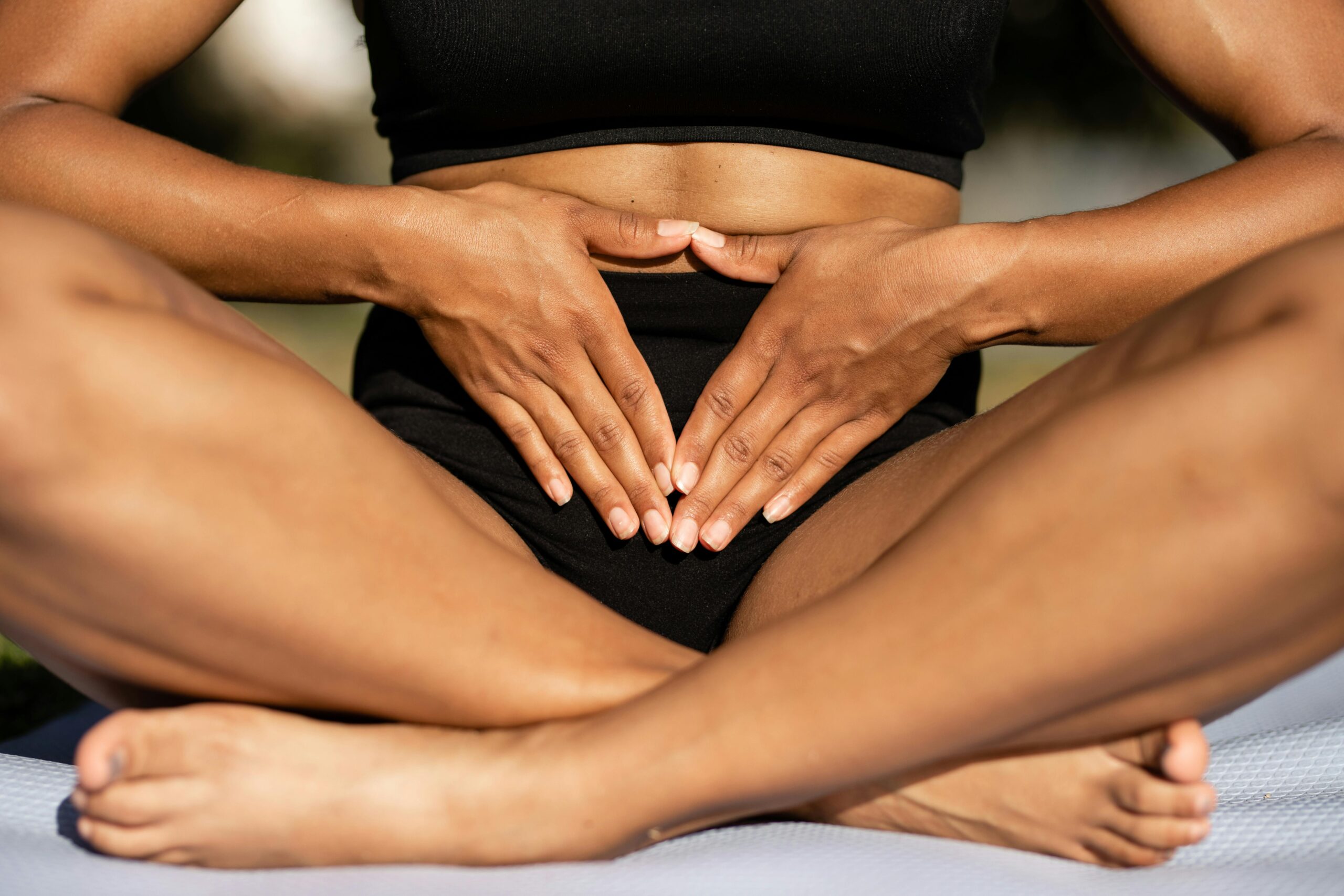
Find a comfortable position, either lying on your back with knees bent or sitting in a chair with your feet flat on the floor. Place one hand on your chest and the other on your belly, just below your ribcage. This hand placement provides important feedback about which muscles you’re engaging.
Breathe in slowly through your nose for a count of four, focusing on making the hand on your belly rise while keeping the hand on your chest relatively still. Your abdomen should expand outward as your diaphragm contracts downward, creating space for your lungs to fill with air.
Pause briefly at the top of the inhale, then exhale slowly through slightly pursed lips for a count of six to eight. The exhale should be longer than the inhale—this extended exhalation further activates your parasympathetic nervous system and deepens relaxation.
As you exhale, feel your belly naturally falling inward as your diaphragm relaxes upward. The hand on your chest should remain relatively motionless throughout the entire breathing cycle.
Common Mistakes to Avoid
Many beginners make the mistake of forcing their belly outward by tensing abdominal muscles rather than allowing the diaphragm to do the work. The belly expansion should happen naturally as a result of the diaphragm contracting downward, not from deliberately pushing your stomach out.
Another common error is breathing too rapidly. Deep breathing should be slow and controlled—rushing defeats the purpose and can actually increase anxiety. Aim for 6-10 breaths per minute rather than the typical 12-20 breaths most adults take.
Don’t hold excessive tension in your shoulders, neck, or jaw while breathing. These areas should remain relaxed throughout the practice. If you notice tension creeping in, pause and consciously release it before continuing.
Creating Your Personal Breathing Practice
Consistency is more important than duration when establishing a breathing practice. Start with just five minutes daily and gradually increase as the technique becomes more natural. Many people find morning practice helps set a calm tone for the day, while evening sessions promote better sleep quality.
You can practice diaphragmatic breathing anywhere—at your desk, in traffic, before important meetings, or whenever you notice stress building. The beauty of this technique is its portability; you always have access to this powerful stress-relief tool.
Consider setting reminders on your phone to pause for breathing exercises throughout the day. These brief breaks can prevent stress accumulation and maintain your sense of calm and focus even during busy or challenging days.
📱 Technology Tools to Support Your Practice
While deep breathing requires no equipment or apps, technology can provide helpful guidance, especially when you’re first learning. Several breathing apps offer timed exercises, visual guides, and progress tracking to support your practice development.
Applications like Breathwrk, Prana Breath, and Breathing Zone provide structured breathing programs with customizable timings and helpful audio-visual cues. These tools can be particularly valuable for maintaining proper rhythm and duration during your practice sessions.
However, remember that apps are supplements to your practice, not replacements for understanding the fundamental technique. Once you’ve mastered the basics, you may find you no longer need digital guidance for your daily breathing sessions.
🧘 Integrating Breathing with Other Wellness Practices
Deep diaphragmatic breathing enhances virtually every other wellness practice you might engage in. The combination creates synergistic benefits that multiply the positive effects of each individual practice.
Breathing and Meditation
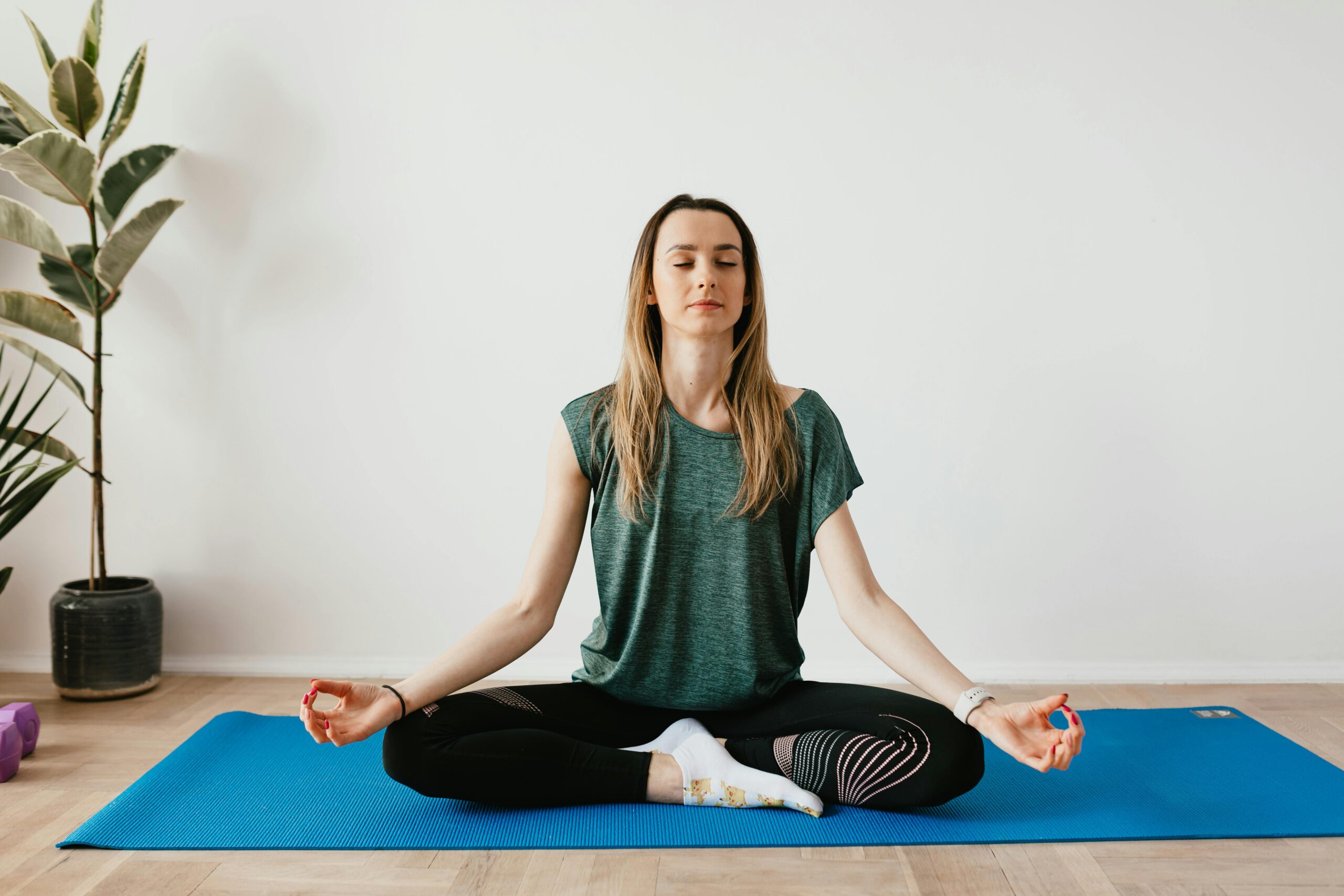
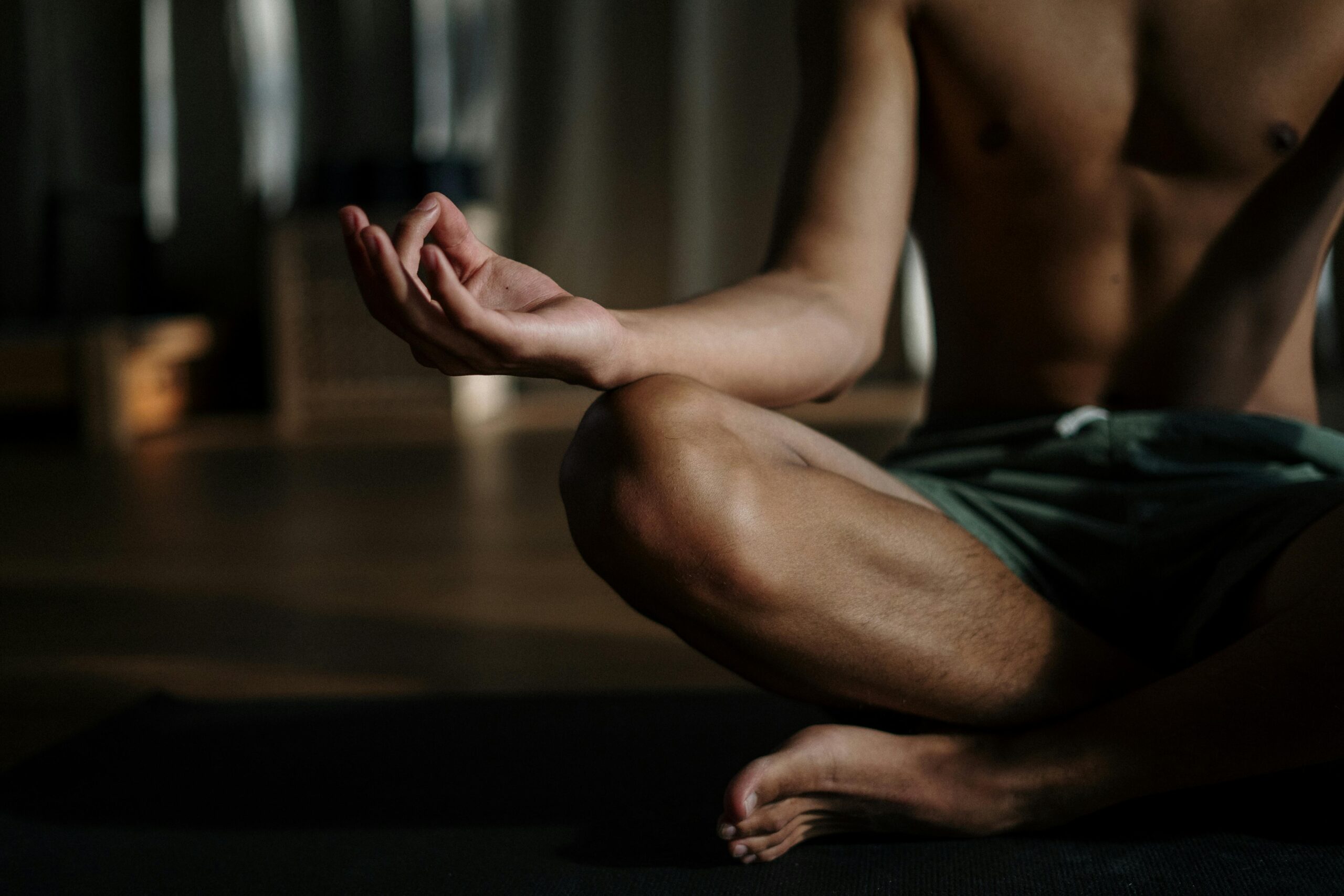
Breath awareness forms the foundation of many meditation traditions. By combining diaphragmatic breathing with mindfulness meditation, you create a powerful practice for mental clarity, emotional regulation, and spiritual well-being. The breath serves as an anchor point, bringing your attention back whenever the mind wanders.
Breathing and Physical Exercise
Proper breathing technique dramatically improves exercise performance and recovery. Whether you’re running, lifting weights, or practicing yoga, coordinating movement with deep breathing enhances endurance, prevents injury, and accelerates post-workout recovery. Athletes who master breathing techniques consistently outperform those who neglect this fundamental skill.
Breathing and Sleep Quality
Practicing diaphragmatic breathing before bed activates your relaxation response and prepares your body for restorative sleep. Many insomnia sufferers find relief through pre-sleep breathing routines that calm racing thoughts and release physical tension accumulated throughout the day.
🌟 Advanced Breathing Techniques to Explore
Once you’ve mastered basic diaphragmatic breathing, you might explore more advanced techniques that offer specific benefits for different situations and goals.
Box Breathing for Focus and Calm
Also known as square breathing, this technique involves equal counts for inhaling, holding, exhaling, and holding again—typically four counts for each phase. Navy SEALs use box breathing to maintain calm and focus in high-stress situations. It’s excellent for pre-performance anxiety or whenever you need centered awareness.
4-7-8 Breathing for Sleep and Anxiety
This technique, popularized by Dr. Andrew Weil, involves inhaling for four counts, holding for seven counts, and exhaling for eight counts. The extended hold and exhale powerfully activate relaxation responses, making this practice particularly effective for falling asleep or managing acute anxiety episodes.
Alternate Nostril Breathing for Balance
This yogic practice involves alternating breathing through each nostril, which research suggests can balance the left and right hemispheres of the brain, reduce stress, and improve cardiovascular function. It’s a slightly more complex technique but offers unique benefits worth exploring.
Overcoming Challenges and Staying Consistent
Like any new habit, establishing a regular breathing practice comes with challenges. The most common obstacle is simply remembering to practice. Life gets busy, and something as simple as breathing often gets overlooked despite its profound benefits.
Creating environmental triggers can help—placing a sticky note on your bathroom mirror, setting phone alarms, or linking breathing practice to existing habits like your morning coffee or evening tooth brushing. The key is making the practice so routine that it becomes automatic.
Some people initially feel lightheaded or experience tingling sensations when first practicing deep breathing. This typically results from the sudden increase in oxygen and change in carbon dioxide levels. If this occurs, simply return to normal breathing until the sensation passes, then resume more gradually.
If you have respiratory conditions like asthma or COPD, consult your healthcare provider before beginning intensive breathing exercises. They can help you modify techniques to suit your specific health needs and ensure you practice safely.
🎁 The Lifelong Gift of Conscious Breathing
Deep diaphragmatic breathing isn’t a quick fix or temporary solution—it’s a lifelong skill that continues providing benefits for as long as you practice it. Unlike many health interventions that require expensive equipment, ongoing costs, or significant time commitments, breathing practice is free, always accessible, and requires only minutes daily.
The cumulative benefits compound over time. What begins as a simple stress-relief technique gradually transforms into a profound tool for self-regulation, health optimization, and personal empowerment. You’ll find yourself naturally turning to your breath during challenging moments, using it as both anchor and refuge.
Many long-term practitioners report that conscious breathing changes their fundamental relationship with stress and difficulty. Rather than being overwhelmed by challenging circumstances, they develop the capacity to pause, breathe, and respond thoughtfully rather than react impulsively.
Starting Your Journey Today
You don’t need special circumstances, equipment, or preparation to begin experiencing the benefits of deep diaphragmatic breathing. You can start right now, in this moment, simply by bringing awareness to your breath and consciously engaging your diaphragm.
Take a slow, deep breath in through your nose, allowing your belly to expand. Hold briefly, then release slowly through slightly pursed lips, feeling your belly fall. Notice how even this single conscious breath creates a subtle shift in your physical and mental state.
Commit to practicing five minutes daily for the next two weeks. Notice what changes—in your stress levels, energy, mood, sleep quality, and overall sense of wellbeing. Most people are surprised by how significantly such a simple practice impacts their daily experience.
Your breath is your most fundamental life force, the bridge between body and mind, and your most reliable companion throughout your entire life journey. Learning to harness its power through deep diaphragmatic breathing might be one of the most valuable investments you ever make in your health and happiness. The best time to start was years ago; the second best time is right now. 🌬️✨