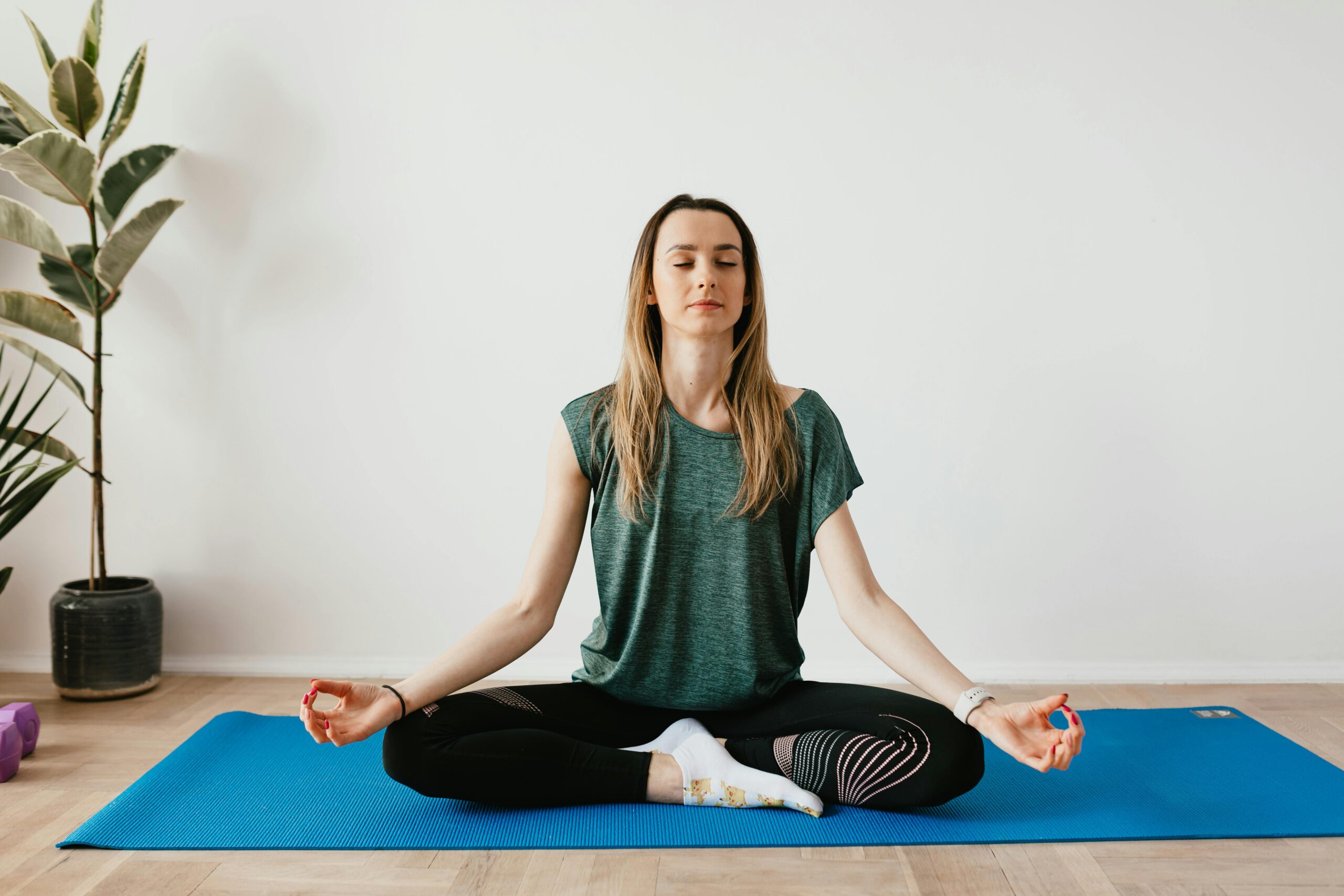
Emotional tension accumulates silently within us, manifesting as physical discomfort, mental fog, and spiritual disconnection. Learning to release this tension is essential for achieving true inner harmony and lasting peace.

🌿 Understanding the Deep Connection Between Mind, Body, and Emotional Wellbeing
Our bodies are remarkable vessels that store not just physical sensations but also emotional experiences. When we encounter stress, trauma, or prolonged anxiety, our nervous system responds by holding onto this tension. This phenomenon creates a complex web of interconnected symptoms that affect our mental clarity, physical health, and emotional stability.
The science behind this connection is fascinating. Research in psychoneuroimmunology has demonstrated that our thoughts and emotions directly influence our immune system, hormonal balance, and cellular function. When emotional tension remains unprocessed, it can manifest as chronic pain, digestive issues, sleep disturbances, and even cardiovascular problems.
Understanding this intricate relationship empowers us to take proactive steps toward healing. Rather than treating symptoms in isolation, we can address the root causes of our discomfort by acknowledging and releasing accumulated emotional tension.
💭 Recognizing the Signs of Emotional Tension Buildup
Before we can purify emotional tension, we must first recognize its presence in our lives. Many people become so accustomed to carrying stress that they no longer notice its weight. The body, however, always communicates through subtle and sometimes not-so-subtle signals.
Physical Manifestations of Emotional Stress
Your body speaks volumes about your emotional state. Chronic muscle tension, particularly in the shoulders, neck, and jaw, often indicates suppressed emotions. Headaches, migraines, and unexplained fatigue can signal that your nervous system is overwhelmed with unprocessed feelings.
Digestive disturbances frequently accompany emotional turmoil. The gut-brain connection means that anxiety and stress directly impact digestion, leading to symptoms like bloating, irritable bowel syndrome, or changes in appetite. These physical signs are not separate from your emotional experience—they are integral parts of the same conversation your body is having with you.
Mental and Emotional Indicators
Beyond physical symptoms, emotional tension reveals itself through mental patterns. Racing thoughts, difficulty concentrating, and constant worry indicate an overstimulated nervous system. You might experience mood swings, irritability, or a pervasive sense of unease that seems to have no specific cause.
Sleep disturbances often accompany emotional tension. Difficulty falling asleep, restless nights, or waking exhausted despite adequate rest all suggest that your mind and body are processing unresolved emotional material even during rest periods.
🧘 Ancient Wisdom Meets Modern Science: Pathways to Emotional Purification
Throughout human history, various cultures have developed sophisticated methods for releasing emotional tension and restoring inner balance. Today, modern science validates many of these traditional practices, revealing the biological mechanisms behind their effectiveness.
Breathwork: The Foundation of Emotional Release
Conscious breathing stands as one of the most powerful yet accessible tools for emotional purification. When we experience stress, our breathing becomes shallow and rapid, triggering the sympathetic nervous system’s fight-or-flight response. By intentionally slowing and deepening our breath, we activate the parasympathetic nervous system, promoting relaxation and emotional release.
Practices like pranayama from yogic traditions, holotropic breathwork, and simple diaphragmatic breathing all facilitate the release of stored emotional tension. Deep breathing increases oxygen flow to the brain, reduces cortisol levels, and creates space for emotions to move through the body rather than becoming trapped.
Dedicating just ten minutes daily to conscious breathing can dramatically shift your emotional landscape. Start by finding a comfortable seated position, placing one hand on your chest and the other on your belly. Breathe deeply so that your belly expands first, then your chest. Exhale slowly, releasing tension with each breath.
Movement as Medicine: Unlocking Stored Emotions
Physical movement provides another essential pathway for emotional purification. Trauma and stress become literally encoded in our muscular and fascial tissues. Through movement, we can access and release these stored emotions.
Practices like yoga, tai chi, and qigong combine mindful movement with breathwork, creating optimal conditions for emotional release. These ancient disciplines weren’t designed merely for physical fitness—they were developed specifically to harmonize mind, body, and spirit.
Even simple activities like walking, dancing, or stretching can facilitate emotional release when performed with awareness. The key is to move with intention, paying attention to sensations in your body and allowing emotions to surface without judgment.
🌊 Creating Sacred Space for Emotional Processing
Emotional purification requires more than just techniques—it demands a supportive environment where feelings can be safely acknowledged and released. Creating this sacred space, both externally and internally, forms the foundation for sustainable healing.
Cultivating Internal Safety
Many people struggle with emotional release because they lack a sense of internal safety. Past experiences may have taught them that expressing emotions is dangerous or unwelcome. Developing self-compassion and learning to hold space for your own feelings becomes paramount.
Practice speaking kindly to yourself, especially when difficult emotions arise. Instead of suppressing or judging your feelings, try phrases like “I see you, I hear you, and I’m here for you.” This internal dialogue creates the psychological safety necessary for genuine emotional processing.
Meditation practices focused on loving-kindness and self-compassion can strengthen this internal sense of safety over time. These practices train your nervous system to associate emotional expression with support rather than danger.
Designing External Environments for Healing
Your physical environment significantly impacts your ability to process emotions. Create spaces in your home dedicated to reflection and relaxation. This might be a corner with comfortable cushions, calming colors, and objects that bring you peace.
Consider incorporating elements that engage your senses positively. Soft lighting, essential oils like lavender or frankincense, and gentle music can all signal to your nervous system that it’s safe to relax and release tension.
✨ Practical Techniques for Daily Emotional Purification
Integrating emotional purification practices into your daily routine transforms this work from an occasional intervention into a sustainable lifestyle. Consistency matters more than intensity when cultivating inner harmony.
Morning Rituals for Emotional Clarity
Beginning your day with intentional practices sets a tone of awareness and emotional regulation. Before reaching for your phone or diving into responsibilities, spend fifteen minutes connecting with yourself.
Start with a body scan, noting any areas of tension or discomfort. Acknowledge these sensations without trying to change them immediately. Follow this with gentle stretching or movement, allowing your body to wake up gradually and release overnight tension.
Journaling serves as a powerful morning practice for emotional purification. Write freely about your feelings, dreams, or concerns without editing or censoring yourself. This process externalizes internal tension, providing clarity and perspective.
Midday Reset Practices
The middle of the day often brings increased stress as responsibilities accumulate. Building in brief reset practices helps prevent emotional tension from building to overwhelming levels.
Try the 5-5-5 breathing technique: inhale for five counts, hold for five counts, exhale for five counts. Repeat five times. This simple practice can be done anywhere and takes less than three minutes, yet effectively interrupts stress responses.
If possible, step outside for a brief walk. Nature exposure, even in small doses, reduces cortisol levels and promotes emotional regulation. Pay attention to sensory details—the feeling of air on your skin, sounds around you, colors and textures you notice.
Evening Wind-Down Routines
How you end your day significantly impacts sleep quality and emotional processing during rest. Create an evening routine that signals to your nervous system that it’s time to release the day’s accumulated tension.
Begin your wind-down at least an hour before sleep. Dim lights, reduce screen time, and engage in calming activities. A warm bath with Epsom salts helps release muscular tension while the magnesium supports nervous system relaxation.
Consider a gentle yin yoga practice or progressive muscle relaxation before bed. These techniques specifically target the release of physical and emotional tension accumulated throughout the day.
🌟 The Transformative Power of Mindfulness and Meditation
Mindfulness meditation represents perhaps the most thoroughly researched method for emotional regulation and tension release. Thousands of studies confirm its benefits for mental health, emotional wellbeing, and physical health outcomes.
Unlike common misconceptions, meditation doesn’t require emptying your mind or achieving a particular state. Instead, it involves observing your thoughts and emotions without attachment or judgment. This observational stance creates psychological distance from intense feelings, allowing them to move through you rather than defining you.
Regular meditation practice literally rewires the brain. Neuroimaging studies show increased gray matter in regions associated with emotional regulation, self-awareness, and compassion. Simultaneously, the amygdala—the brain’s fear center—shows decreased reactivity.
Start with just five minutes daily, gradually increasing as the practice becomes more comfortable. Guided meditations can provide helpful structure for beginners. Focus on body sensations, breath, or simply noting thoughts as they arise and pass.
💫 Nutrition and Lifestyle Factors in Emotional Wellbeing
While mental and emotional practices form the core of tension purification, physical factors significantly influence our emotional landscape. What we consume, how we sleep, and our daily habits all impact our capacity for emotional regulation.
Foods That Support Emotional Balance
Nutritional psychiatry reveals strong connections between diet and mental health. Certain nutrients directly support neurotransmitter production and nervous system function, influencing our emotional states.
Omega-3 fatty acids, found in fatty fish, walnuts, and flaxseeds, support brain health and reduce inflammation linked to depression and anxiety. B vitamins, particularly B12 and folate, play crucial roles in mood regulation. Magnesium, often called nature’s relaxation mineral, supports stress response and sleep quality.
Conversely, excessive sugar, caffeine, and processed foods can exacerbate anxiety and emotional instability. While these substances might provide temporary comfort, they ultimately dysregulate blood sugar and stress hormones, creating more tension.
Sleep: The Foundation of Emotional Resilience
Quality sleep isn’t merely restful—it’s when emotional processing and memory consolidation occur. During REM sleep, the brain processes emotional experiences, integrating them into long-term memory while reducing their emotional charge.
Chronic sleep deprivation impairs emotional regulation, making us more reactive and less resilient. Prioritizing seven to nine hours of quality sleep nightly dramatically enhances your capacity for emotional purification.
Establish consistent sleep and wake times, even on weekends. This regularity supports your circadian rhythm, improving both sleep quality and emotional stability.
🤝 The Role of Connection in Emotional Healing
While individual practices are essential, humans are inherently social beings. Connection with others plays a vital role in emotional purification and the cultivation of inner peace.
Sharing our emotional experiences with trusted individuals reduces their burden. When we feel heard and validated, the nervous system receives signals of safety, facilitating emotional release. This doesn’t require formal therapy—though professional support can be invaluable—but rather authentic connection with friends, family, or community.
Consider joining groups focused on practices like meditation, yoga, or personal growth. These communities provide both social support and accountability, making it easier to maintain beneficial practices.
Equally important is learning to set boundaries and distance yourself from toxic relationships that perpetuate emotional tension. Sometimes emotional purification requires removing sources of ongoing stress.
🌈 Embracing the Journey: Patience and Self-Compassion
Emotional purification isn’t a destination but an ongoing journey. Some days will feel lighter and more peaceful; others may bring unexpected emotional intensity. Both are natural parts of the healing process.
Approach this work with patience and curiosity rather than self-criticism. Years of accumulated tension won’t dissolve overnight. Each practice, each moment of awareness, contributes to gradual transformation. Celebrate small victories—a moment of calm amid stress, a night of restful sleep, or simply recognizing emotional patterns you once overlooked.
Self-compassion throughout this process cannot be overstated. Treat yourself with the same kindness you’d offer a dear friend facing similar challenges. When you stumble or struggle, respond with understanding rather than judgment.
🎯 Integrating Practices Into Sustainable Daily Life
The true power of these techniques emerges through consistent integration into daily life. Rather than viewing emotional purification as another task on your to-do list, weave these practices seamlessly into existing routines.
Start small and build gradually. Choose one or two practices that resonate most strongly and commit to them for at least three weeks. Once these become habitual, add additional techniques. This incremental approach prevents overwhelm and supports sustainable change.
Track your progress through journaling or simple check-ins with yourself. Notice shifts in how you feel, sleep quality improvements, or changes in how you respond to stress. These observations reinforce your commitment and highlight the value of your efforts.
Remember that flexibility matters as much as consistency. Life circumstances change, and your practices may need to adapt accordingly. The goal isn’t rigid adherence to a perfect routine but rather maintaining an ongoing relationship with your emotional wellbeing.

🌺 Your Path Forward: Claiming Inner Harmony and Peace
You now possess a comprehensive toolkit for revitalizing your mind and body through emotional tension purification. These practices—from breathwork and movement to meditation and mindful living—offer pathways toward the inner harmony and peace you seek.
The choice to begin this journey represents an act of profound self-love and courage. In a world that often demands we suppress emotions and push through discomfort, choosing to honor your feelings and release accumulated tension is revolutionary.
Your emotional landscape will transform as you consistently apply these principles. Tension that once felt permanent will soften. Anxiety that seemed overwhelming will become manageable. The peace you’ve been seeking externally will emerge from within, as your natural state rather than a distant goal.
Begin today, with whatever practice calls to you most strongly. Take a conscious breath. Move your body mindfully. Create space for your emotions. Each small step contributes to profound transformation, revitalizing your mind and body while unlocking the inner harmony that has always been your birthright.