In today’s fast-paced world, stress has become an unwelcome companion affecting millions worldwide. Discover how stress detox breathing can transform your daily experience.

Modern life bombards us with constant stimulation, endless notifications, racing thoughts, and mounting responsibilities that leave our nervous systems in perpetual overdrive. The consequences of chronic stress extend far beyond temporary discomfort—they infiltrate every aspect of our physical health, mental clarity, emotional stability, and overall quality of life. But what if there was a simple, accessible, and scientifically-backed solution that costs nothing and requires no special equipment?
Enter stress detox breathing: a powerful yet overlooked tool that has been used for centuries across various cultures and is now being validated by modern neuroscience. This ancient practice offers a direct pathway to calming your nervous system, clearing mental fog, and restoring balance to your overstimulated mind and body. Unlike many wellness trends that promise quick fixes, breathwork delivers measurable results that you can feel within minutes. 🌬️
Understanding the Science Behind Stress and Your Breath
Your breath is intimately connected to your autonomic nervous system, which controls involuntary bodily functions including heart rate, digestion, and stress response. When you experience anxiety or stress, your body activates the sympathetic nervous system—your “fight or flight” response. This triggers rapid, shallow breathing, increased heart rate, and the release of stress hormones like cortisol and adrenaline.
The remarkable aspect of breathing is that it’s both automatic and controllable. While your body breathes without conscious effort, you can deliberately change your breathing pattern to influence your nervous system. This unique characteristic makes breathwork an accessible bridge between your conscious and unconscious states, giving you direct control over your stress response.
Research published in leading medical journals has demonstrated that controlled breathing exercises can significantly reduce cortisol levels, lower blood pressure, decrease anxiety symptoms, and improve overall emotional regulation. Studies using brain imaging technology show that specific breathing patterns activate the parasympathetic nervous system—your “rest and digest” mode—which counteracts the stress response and promotes healing and restoration.
What Makes Stress Detox Breathing Different? 💨
Stress detox breathing goes beyond simple deep breathing exercises. It’s a comprehensive approach that combines specific breathing patterns, rhythms, and techniques designed to systematically remove accumulated tension from your body and mind. Think of it as a cleansing process that flushes out stress toxins much like detox protocols clear physical toxins.
Traditional breathing exercises often focus on relaxation alone, but stress detox breathing actively targets stored stress in your body. This stored stress—sometimes called “muscle memory” or somatic stress—resides in your tissues, creating chronic tension patterns that perpetuate anxiety even when immediate stressors are absent.
The detox component involves breathing patterns that mobilize this stored tension, bringing it to the surface where it can be processed and released. This might temporarily intensify sensations as trapped stress emerges, but this is followed by profound relief and lightness as the nervous system recalibrates to a healthier baseline.
Essential Stress Detox Breathing Techniques to Practice Daily
Learning proper stress detox breathing doesn’t require years of training or expert supervision. These foundational techniques can be practiced by anyone, anywhere, and yield immediate benefits when performed correctly.
Box Breathing: The Foundation of Calm ⬜
Box breathing, also known as square breathing, is used by Navy SEALs, first responders, and elite athletes to maintain composure under extreme pressure. This technique creates equal intervals for inhaling, holding, exhaling, and holding again, forming a “box” pattern that stabilizes your nervous system.
To practice box breathing, inhale slowly through your nose for a count of four, hold your breath for four counts, exhale completely through your mouth for four counts, and hold empty for four counts. Repeat this cycle for five to ten minutes. The equal timing creates rhythm and predictability that your nervous system finds deeply calming, reducing anxiety and improving focus almost immediately.
4-7-8 Breathing: Your Natural Tranquilizer
The 4-7-8 breathing technique, popularized by Dr. Andrew Weil, acts as a natural tranquilizer for the nervous system. This pattern increases oxygen delivery to your bloodstream while activating your body’s relaxation response through extended exhalation.
Place the tip of your tongue against the ridge behind your upper front teeth throughout the exercise. Exhale completely through your mouth making a whoosh sound. Close your mouth and inhale quietly through your nose for four counts. Hold your breath for seven counts. Exhale completely through your mouth for eight counts, making the whoosh sound again. This completes one cycle; repeat for four full cycles.
The extended hold and longer exhale are key components that trigger parasympathetic activation. Many practitioners report feeling noticeably calmer after just one or two cycles, with consistent practice producing cumulative benefits for sleep quality and anxiety management.
Alternate Nostril Breathing: Balancing Your Energy 🧘
This ancient yogic practice, known as Nadi Shodhana in Sanskrit, balances the left and right hemispheres of your brain while clearing energetic blockages. Research shows this technique particularly effective for reducing blood pressure and improving cardiovascular function.
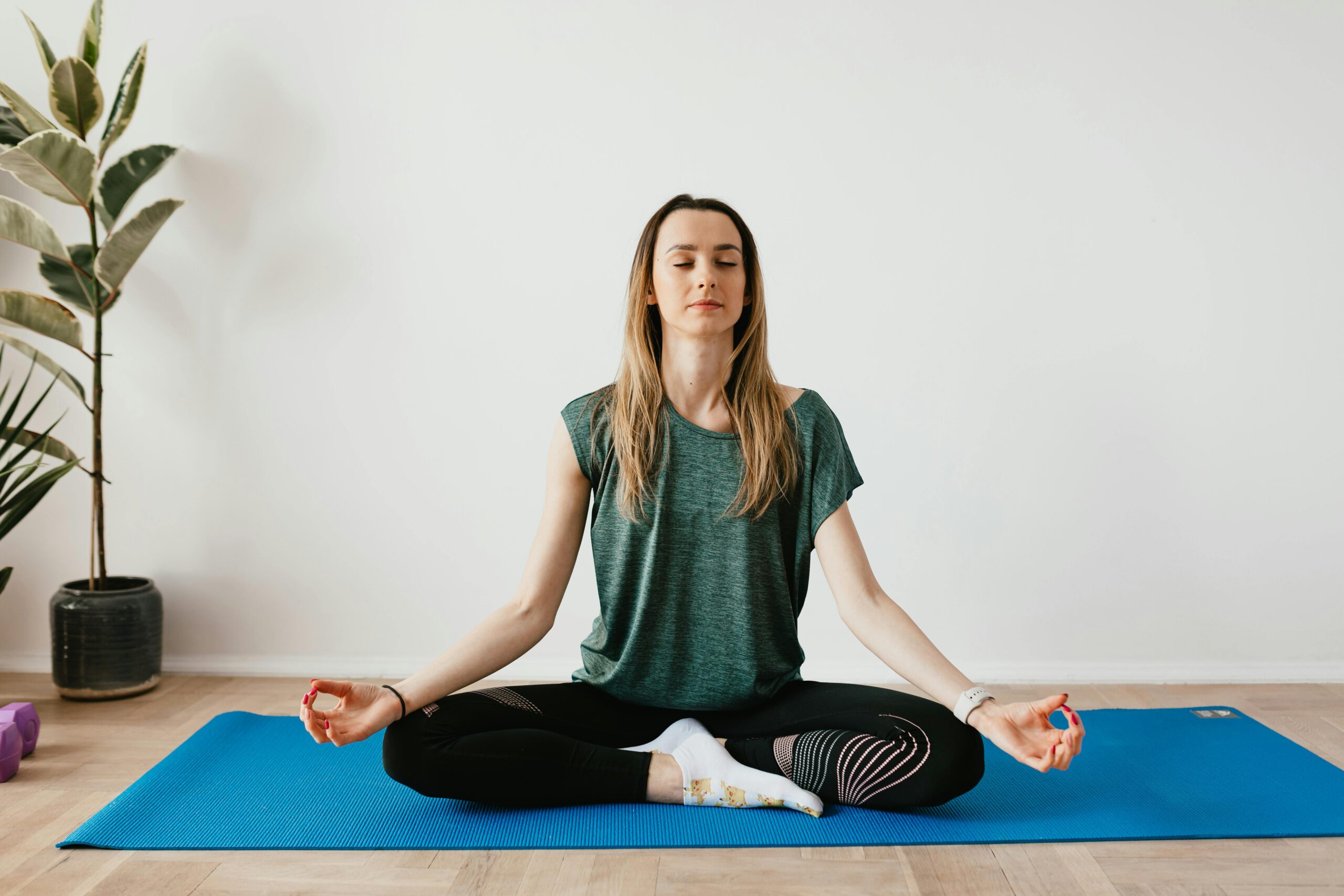
Sit comfortably with your spine straight. Use your right thumb to close your right nostril and inhale slowly through your left nostril. At the peak of inhalation, close your left nostril with your ring finger, release your right nostril, and exhale through the right side. Inhale through the right nostril, then switch to exhale through the left. This completes one full cycle. Practice for five to ten minutes, maintaining smooth, controlled breaths throughout.
Creating Your Personal Stress Detox Breathing Routine
Consistency transforms occasional relief into lasting transformation. Building a personalized breathing practice ensures you receive maximum benefits while adapting to your unique lifestyle and stress patterns.
Begin with morning sessions to set a calm tone for your day. Spending just five to ten minutes practicing stress detox breathing upon waking can dramatically influence how you respond to challenges throughout the day. Morning breathwork clears sleep inertia, oxygenates your brain, and establishes nervous system resilience before stress accumulates.
Incorporate midday breathing breaks to prevent stress accumulation. Rather than waiting until evening when tension has built up, take three-minute breathing breaks every few hours. These mini-sessions interrupt the stress cycle before it becomes overwhelming, maintaining baseline calm throughout your day. ☀️
Evening wind-down sessions prepare your body for restorative sleep. Practice gentler, slower breathing techniques thirty to sixty minutes before bed to activate your parasympathetic nervous system and signal your body that it’s time to transition to rest mode. This consistent pre-sleep routine can significantly improve sleep quality and duration.
Recognizing and Overcoming Common Breathing Mistakes
Many people unknowingly practice breathing exercises incorrectly, limiting their effectiveness or even creating additional tension. Understanding common pitfalls helps you maximize benefits and avoid frustration.
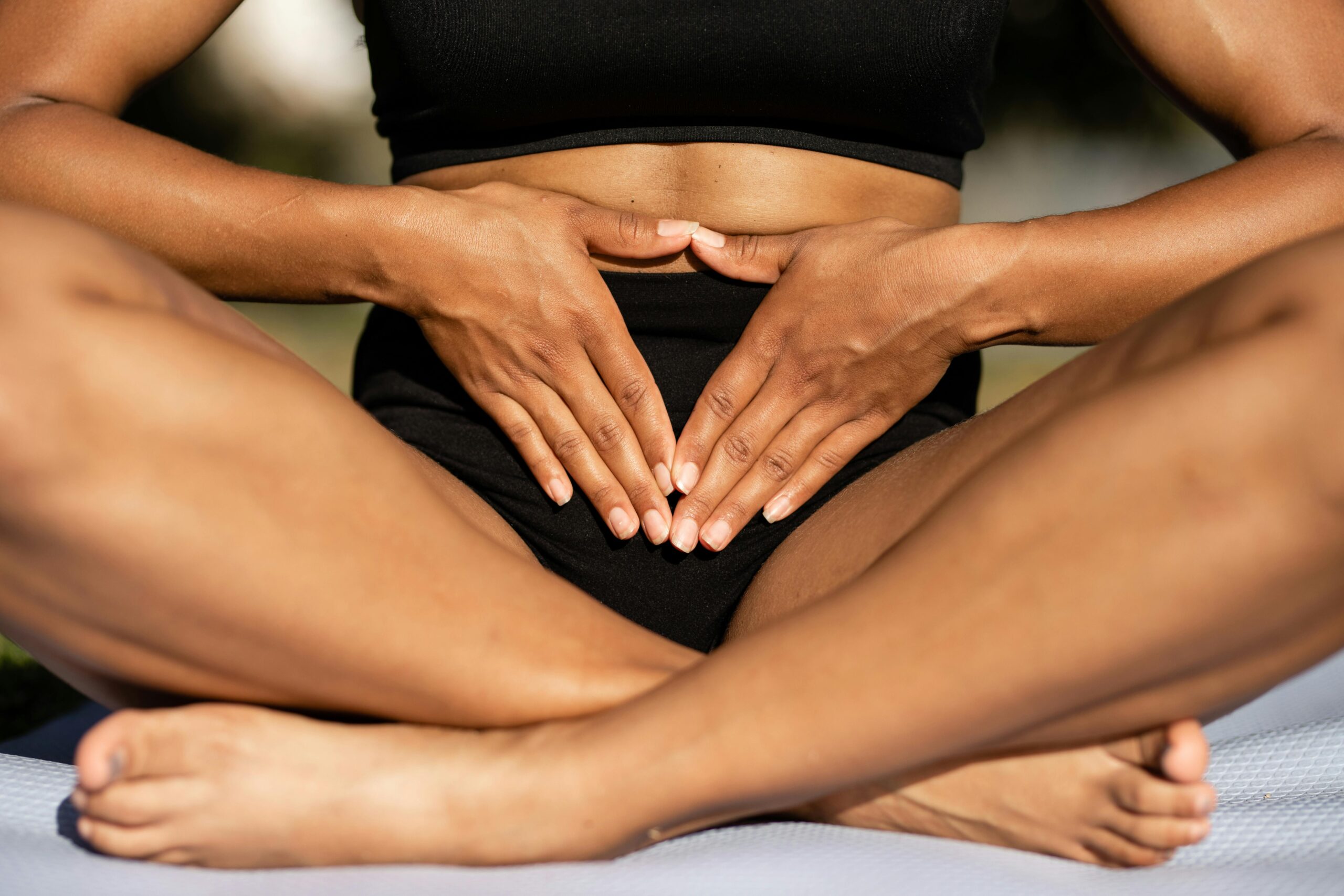
Chest breathing instead of diaphragmatic breathing is perhaps the most common error. Shallow chest breathing actually mimics the stress response, potentially increasing rather than decreasing anxiety. Proper stress detox breathing should originate from your diaphragm, with your belly expanding on inhalation and contracting on exhalation while your chest remains relatively still.
Forcing or straining during breath holds creates unnecessary tension. Breath retention should feel comfortable and sustainable, not like you’re holding your breath underwater. If you feel desperate for air, you’ve held too long. Gradually build capacity over weeks and months rather than pushing limits aggressively.
Inconsistent practice undermines cumulative benefits. Like physical exercise, breathwork produces the most profound results through regular practice over time. Sporadic sessions provide temporary relief but won’t rewire your nervous system’s baseline stress response. Aim for daily practice, even if sessions are brief.
Amplifying Results: Combining Breathwork with Complementary Practices 🌟
While stress detox breathing is powerful alone, combining it with complementary practices creates synergistic effects that accelerate your transformation from anxious to peaceful living.
Mindfulness meditation pairs naturally with breathwork, as breath awareness forms the foundation of most meditation practices. After completing your breathing exercises, transition into silent meditation, using your breath as an anchor for attention. This combination trains both nervous system regulation and mental clarity.
Progressive muscle relaxation enhances the physical release component of stress detox. After breathing exercises, systematically tense and release muscle groups throughout your body, paying attention to where you habitually store tension. This body awareness helps you recognize stress accumulation earlier and intervene more effectively.
Gentle movement practices like yoga, tai chi, or qigong integrate breathing with physical postures, addressing both mental and somatic aspects of stress. These practices teach you to maintain calm breathing even while physically active, building resilience that transfers to real-world stressful situations.
Tracking Your Progress and Celebrating Transformation
Documenting your breathing practice and its effects provides motivation and helps you identify which techniques work best for your unique physiology. Many practitioners report that tracking progress reveals benefits they hadn’t consciously noticed.
Keep a simple breathing journal noting the date, techniques practiced, duration, and how you felt before and after each session. Over weeks and months, patterns emerge showing which techniques most effectively address your specific stress symptoms. This data-driven approach helps you refine your practice for maximum personal benefit.
Consider measuring physiological markers like resting heart rate, blood pressure, and sleep quality. Many people discover that consistent breathing practice produces measurable improvements in these objective health indicators, providing concrete evidence of their nervous system’s transformation. 📊
Notice changes in how you respond to typical stressors. Do traffic jams trigger less irritation? Are difficult conversations more manageable? Does your mind race less at bedtime? These behavioral shifts often represent the most meaningful markers of success, indicating that your baseline stress response has genuinely changed.
When to Seek Additional Support and Professional Guidance
While stress detox breathing is safe and beneficial for most people, certain situations warrant additional support or professional guidance to ensure optimal results and safety.
If you have respiratory conditions like asthma, COPD, or other breathing disorders, consult your healthcare provider before beginning intensive breathwork practices. Most techniques can be adapted for various conditions, but professional guidance ensures your practice supports rather than challenges your respiratory health.
Individuals with severe anxiety, PTSD, or panic disorders may experience intensified symptoms when beginning breathwork as stored trauma surfaces. Working with a therapist trained in somatic approaches or breathwork-informed trauma therapy can help you navigate these experiences safely and effectively.
Pregnant women should avoid breath retention exercises and practices involving forceful exhalation. Gentle, smooth breathing techniques are generally safe and beneficial during pregnancy, but consultation with prenatal healthcare providers ensures your practice supports your unique needs during this transformative time.
Building Resilience: From Stress Management to Thriving 🌱
The ultimate goal of stress detox breathing extends beyond managing anxiety to cultivating genuine resilience—the capacity to not just survive stressful circumstances but to maintain well-being and even grow through challenges.
As your breathing practice deepens, you’ll notice a fundamental shift in your relationship with stress. Rather than viewing stress as something that happens to you—an external force you’re victim to—you’ll recognize it as a physiological state you can influence and transform. This empowerment changes everything.
Your window of tolerance—the zone where you can effectively process experiences without becoming overwhelmed—gradually expands. Situations that previously triggered intense anxiety may still activate your stress response, but the intensity decreases and your recovery time shortens. This increased capacity represents true nervous system healing.
Eventually, your breathing practice becomes less about crisis management and more about optimization. You’ll use breathwork not just to calm anxiety but to enhance focus, boost energy, improve athletic performance, deepen meditation, and generally elevate your daily experience of being alive.

Embracing Your Journey to Peaceful Living
Transforming from a state of chronic stress and anxiety to one of peace and vitality doesn’t happen overnight, but every breath you take with intention moves you closer to that reality. Stress detox breathing offers a practical, accessible, and scientifically-validated pathway to reclaiming your well-being.
The beauty of this practice lies in its simplicity and portability. You carry your breath with you always, making this powerful stress-relief tool available in any moment, any location, regardless of circumstances. No special equipment, expensive supplements, or complex protocols required—just you and your breath, working together to restore balance. ✨
Begin today with just five minutes of intentional breathing. Notice how you feel. Pay attention to subtle shifts in your body, mind, and emotional state. Allow yourself to be curious rather than judgmental about your experience. Remember that every expert breathwork practitioner started exactly where you are now—with a single conscious breath.
Your nervous system possesses remarkable plasticity, capable of rewiring itself in response to consistent practice. Each breathing session strengthens new neural pathways associated with calm, while weakening old pathways associated with stress reactivity. Over time, peace becomes your default state rather than something you have to work hard to achieve.
Say goodbye to anxiety not by fighting it, but by giving your nervous system what it’s been desperately seeking—the signal that you’re safe, the space to reset, and the breath that reconnects you to the present moment. Welcome to your journey of revitalization, where stress detox breathing serves as your guide to a more peaceful, vibrant, and balanced life. Your transformation begins with your very next breath. 🌈