In today’s fast-paced world, finding inner peace isn’t just a luxury—it’s essential for your mental and physical wellbeing. Discover how neuro-calming rituals can transform your life.

Stress has become an unwelcome companion in modern life, affecting millions of people worldwide. The constant bombardment of notifications, deadlines, and responsibilities creates a neurological storm that leaves us feeling overwhelmed and disconnected from ourselves. But what if there was a scientifically-backed way to calm your nervous system and reclaim your peace of mind?
Neuro-calming rituals are evidence-based practices that work directly with your brain’s natural stress-response systems. Unlike quick fixes or temporary distractions, these techniques create lasting changes in how your nervous system processes stress, helping you build resilience from the inside out.
🧠 Understanding Your Brain’s Stress Response
Before diving into specific rituals, it’s crucial to understand what happens in your brain when you experience stress. Your amygdala, the brain’s alarm system, triggers the release of cortisol and adrenaline when it perceives a threat. While this response was helpful for our ancestors facing physical dangers, today’s chronic stressors keep this system activated far longer than intended.
The prolonged activation of your stress response affects everything from your sleep quality to your immune function. Your prefrontal cortex—responsible for rational thinking and emotional regulation—becomes compromised, making it harder to think clearly or respond calmly to challenges.
The good news? Your brain has remarkable plasticity. Through consistent neuro-calming practices, you can literally rewire your neural pathways to respond more calmly to stressors. This isn’t just positive thinking; it’s neuroscience in action.
The Power of Breathwork for Nervous System Regulation
Your breath is the most powerful tool you have for immediate stress relief. Unlike your heartbeat or digestion, breathing is both automatic and controllable, making it a direct bridge between your conscious mind and your autonomic nervous system.
Research shows that specific breathing patterns can activate your parasympathetic nervous system—your body’s natural “rest and digest” mode. When you lengthen your exhales relative to your inhales, you send a direct signal to your vagus nerve that it’s safe to relax.
Box Breathing: A Navy SEAL Technique for Calm 📦
Box breathing, also known as square breathing, is used by Navy SEALs to maintain composure in high-stress situations. Here’s how to practice it:
- Inhale through your nose for a count of four
- Hold your breath for a count of four
- Exhale through your nose for a count of four
- Hold empty for a count of four
- Repeat for at least five cycles
This technique creates a rhythmic pattern that immediately calms your nervous system. Practice it during moments of acute stress or as a daily ritual to build your baseline resilience.
4-7-8 Breathing for Deep Relaxation
Developed by Dr. Andrew Weil, the 4-7-8 breathing technique is particularly effective for sleep and anxiety reduction. Inhale quietly through your nose for four counts, hold for seven counts, and exhale completely through your mouth for eight counts. The extended exhale and hold activate your parasympathetic response more powerfully than equal breathing ratios.
Creating Your Morning Neuro-Calming Ritual ☀️
How you start your morning sets the neurological tone for your entire day. Instead of immediately reaching for your phone and flooding your brain with information and stimulation, create a morning ritual that primes your nervous system for calm.
Begin with five minutes of stillness before checking any devices. This simple act gives your prefrontal cortex time to come fully online before engaging with external demands. During this time, you might practice gratitude, gentle stretching, or simply sit with your morning beverage in silence.
Following your stillness practice, engage in light movement. This doesn’t mean an intense workout; gentle yoga, walking, or simple stretching activates your body while keeping your nervous system calm. Movement helps metabolize residual stress hormones from sleep and increases circulation to your brain.
The Sensory Grounding Technique
Incorporate a sensory grounding practice into your morning routine. Notice five things you can see, four things you can touch, three things you can hear, two things you can smell, and one thing you can taste. This 5-4-3-2-1 technique activates your present-moment awareness and interrupts anxious thought patterns before they gain momentum.
Mindfulness Meditation: Training Your Attention Muscle 🧘
Mindfulness meditation isn’t about stopping your thoughts or achieving a blank mind. It’s about training your attention to return to the present moment repeatedly, strengthening your prefrontal cortex and reducing the reactivity of your amygdala.
Studies using fMRI imaging show that regular meditators have increased gray matter density in areas associated with emotional regulation and decreased activity in the default mode network—the brain network responsible for worry and rumination.
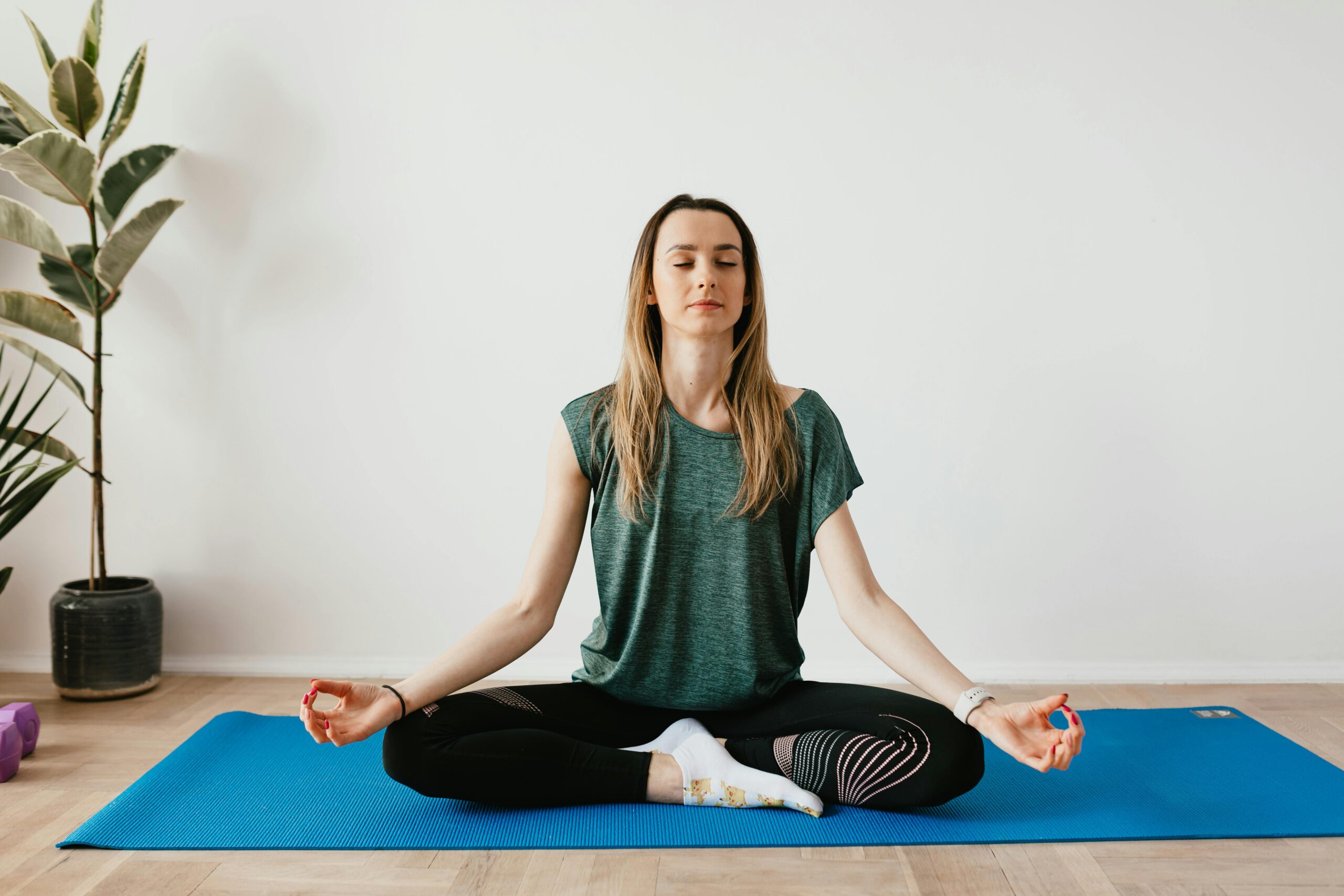
Start with just five minutes daily. Sit comfortably, close your eyes, and focus on the sensation of your breath. When your mind wanders (and it will), gently return your attention to your breath without judgment. This simple act of returning is the exercise—each return strengthens your neural pathways for attention and calm.
Progressive Muscle Relaxation for Body-Based Calm
Your body and mind exist in constant communication. When your muscles are tense, your brain interprets this as a sign of danger, maintaining your stress response. Progressive muscle relaxation (PMR) interrupts this cycle by systematically releasing physical tension.
To practice PMR, start with your toes. Tense the muscles tightly for five seconds, then release completely for ten seconds. Move progressively through each muscle group: calves, thighs, glutes, abdomen, chest, hands, arms, shoulders, neck, and face. This practice creates awareness of the difference between tension and relaxation while sending powerful calming signals to your brain.
Evening Wind-Down Protocol 🌙
The hour before sleep is critical for nervous system regulation. Create a consistent evening ritual that signals to your brain that it’s time to transition from doing to being. Dim your lights to support natural melatonin production, and avoid screens at least 30 minutes before bed.
Engage in calming activities like reading, gentle stretching, or journaling. A brain dump—writing down everything on your mind—can be particularly effective for clearing mental clutter and preventing rumination when you lie down.
The Neuroscience of Gratitude and Positive Psychology ✨
Gratitude practices aren’t just feel-good exercises; they create measurable changes in your brain chemistry. Regular gratitude practice increases dopamine and serotonin production while reducing cortisol levels. It also strengthens neural pathways in your prefrontal cortex, improving emotional regulation over time.
Keep a gratitude journal by your bed and write three specific things you’re grateful for each night. The key is specificity—instead of “I’m grateful for my family,” try “I’m grateful for the way my daughter laughed at breakfast this morning.” Specific gratitude activates more neural networks and creates stronger emotional resonance.
Nature Immersion: Forest Bathing for Urban Dwellers 🌳
The Japanese practice of shinrin-yoku, or forest bathing, has been extensively studied for its neuro-calming effects. Spending time in nature reduces cortisol, lowers blood pressure, and decreases activity in the prefrontal cortex—giving your overthinking mind a much-needed rest.
You don’t need a forest to benefit from nature immersion. Even urban green spaces provide significant stress reduction. Aim for at least 20 minutes in nature three times per week, using all your senses to fully experience your surroundings. Notice the texture of tree bark, the sound of birds, the smell of earth and plants.
Sound Therapy and Binaural Beats for Brain Entrainment 🎵
Your brainwaves naturally synchronize with rhythmic stimuli in your environment, a phenomenon called entrainment. Sound therapy leverages this by exposing your brain to specific frequencies that promote relaxation.
Binaural beats work by playing slightly different frequencies in each ear. Your brain perceives a third frequency—the difference between the two—and begins to synchronize with it. Theta frequencies (4-8 Hz) promote deep relaxation and meditation, while alpha frequencies (8-13 Hz) support calm alertness.
Movement Practices for Embodied Calm
While intense exercise has its place, neuro-calming rituals benefit most from gentle, mindful movement. Practices like tai chi, qigong, and yin yoga combine movement with breath awareness, creating a meditative state that calms your nervous system while building body awareness.
These practices also improve vagal tone—the health and responsiveness of your vagus nerve, which is central to your body’s relaxation response. Better vagal tone means you can shift from stressed to calm more quickly and efficiently.
The Art of Conscious Walking
Transform ordinary walking into a neuro-calming ritual by bringing full awareness to the experience. Feel each foot making contact with the ground. Notice the rhythm of your breath synchronizing with your steps. Observe your surroundings without judgment or story-making. This practice combines movement, mindfulness, and nature exposure when done outdoors.
Nutritional Support for a Calm Nervous System 🥗
Your diet directly impacts your neurotransmitter production and nervous system function. Magnesium, found in leafy greens, nuts, and seeds, is essential for GABA production—your brain’s primary calming neurotransmitter. Omega-3 fatty acids support healthy brain cell membranes and reduce inflammation that can exacerbate stress responses.
Minimize caffeine intake, especially after noon. While caffeine can feel helpful in the moment, it interferes with adenosine receptors, disrupting your natural sleep-wake cycle and keeping your nervous system in a state of heightened arousal.
Building Your Personalized Neuro-Calming Toolkit 🛠️
The most effective approach combines multiple techniques tailored to your lifestyle and preferences. Not every practice will resonate with everyone, and that’s perfectly fine. Experiment with different rituals and notice which ones create the most noticeable shift in your nervous system.
Track your practices and mood in a simple journal. Over time, you’ll identify patterns and discover which rituals provide the most benefit for your unique neurology. Consistency matters more than perfection—practicing five minutes daily creates more lasting change than an hour-long session once a week.
Overcoming Common Obstacles to Practice
The most common barrier to establishing neuro-calming rituals is the belief that you don’t have time. Reframe this thought: these practices don’t take time from your day; they create more time by improving your focus, efficiency, and emotional regulation.
Start impossibly small. Commit to just two minutes of breathwork or one minute of gratitude practice. Once the habit is established, you can gradually extend the duration. The goal is consistency, not perfection.
Another obstacle is expecting immediate dramatic results. While some techniques provide instant relief, the most profound benefits emerge over weeks and months of consistent practice. You’re literally rewiring your brain—this takes time, patience, and trust in the process.
Integrating Rituals Into Daily Life Seamlessly 💫
The most sustainable neuro-calming practices are those woven into your existing routines. Stack new habits onto established ones: practice breathwork while your coffee brews, do a body scan while lying in bed before sleep, or practice gratitude during your evening skincare routine.
Use environmental cues to trigger your practices. Place a cushion in a specific spot for meditation, keep your gratitude journal on your nightstand, or set phone reminders for breathing breaks throughout the day.
Remember that these rituals aren’t another item on your to-do list; they’re gifts you give yourself. Approach them with curiosity and self-compassion rather than rigid discipline. Some days you’ll practice for longer, some days shorter—and both are perfectly acceptable.
Embracing Your Journey Toward Lasting Peace 🌟
Finding inner peace isn’t a destination but an ongoing practice. Your nervous system has spent years learning stress patterns; it will take time to establish new patterns of calm. Be patient with yourself as you explore these neuro-calming rituals and discover what works best for your unique brain and body.
The practices outlined here are backed by neuroscience and centuries of wisdom traditions. They offer you the tools to take control of your stress response rather than letting it control you. Start with one or two techniques that resonate most strongly, practice them consistently, and gradually expand your toolkit as you build confidence and experience the benefits.
Your brain’s neuroplasticity means that change is always possible, regardless of how long you’ve been struggling with stress. Each moment of intentional calm you create is rewiring your neural pathways toward greater peace, resilience, and wellbeing. The journey begins with a single breath, a moment of presence, or a simple gesture of self-compassion. Your inner peace is waiting—you just need to create the space to discover it.