In our fast-paced modern world, finding moments of genuine peace can feel like an impossible task. Deep breathing offers a scientifically-backed pathway to instant calmness, accessible anywhere, anytime.

Stress has become the silent epidemic of our generation. From demanding work schedules to constant digital notifications, our nervous systems remain perpetually activated, trapped in fight-or-flight mode. The remarkable news is that relief exists within you, literally at every breath. Breathing techniques have been practiced for thousands of years across various cultures, and modern science now confirms what ancient wisdom has always known: controlling your breath can transform your mental and physical state in minutes.
This comprehensive guide will walk you through the transformative world of breath-induced calmness, exploring proven techniques that can shift your body from stress to serenity. Whether you’re battling anxiety, struggling with insomnia, or simply seeking more peaceful moments in your day, mastering your breath is the key that unlocks profound relaxation and mental clarity.
🧠 The Science Behind Breath and Calmness
Understanding why breathing techniques work requires a glimpse into your autonomic nervous system. This system operates automatically, controlling functions like heart rate, digestion, and yes—breathing. It consists of two branches: the sympathetic nervous system, which activates your stress response, and the parasympathetic nervous system, which promotes rest and recovery.
When you breathe shallowly and rapidly, you signal danger to your brain, triggering cortisol release and activating stress responses. Conversely, slow, deep breathing stimulates the vagus nerve, the longest nerve in your autonomic nervous system. This activation shifts your body into parasympathetic mode, lowering blood pressure, reducing heart rate, and flooding your system with calming neurotransmitters.
Research published in the Journal of Neurophysiology demonstrates that controlled breathing directly influences brain regions responsible for emotion, attention, and body awareness. Studies show that just five minutes of deep breathing can measurably reduce cortisol levels while increasing feelings of relaxation and well-being. The breath serves as a bridge between conscious and unconscious processes, offering you direct control over functions typically beyond voluntary command.
✨ Fundamental Breathing Techniques for Beginners
The 4-7-8 Technique: Your Natural Tranquilizer
Developed by Dr. Andrew Weil, this method acts as a natural tranquilizer for the nervous system. The technique is elegantly simple yet powerfully effective. Begin by placing the tip of your tongue against the ridge behind your upper front teeth. Exhale completely through your mouth, making a whoosh sound. Close your mouth and inhale quietly through your nose for a count of four. Hold your breath for seven counts, then exhale completely through your mouth for eight counts.
This completes one breath cycle. Repeat the process three more times for a total of four breath cycles. The 4-7-8 technique works by forcing your mind to focus on counting, disrupting anxious thought patterns while simultaneously oxygenating your blood and calming your nervous system. Many practitioners report feeling noticeably calmer after just one cycle, with effects deepening with regular practice.
Diaphragmatic Breathing: Engaging Your Body’s Natural Relaxation Mechanism
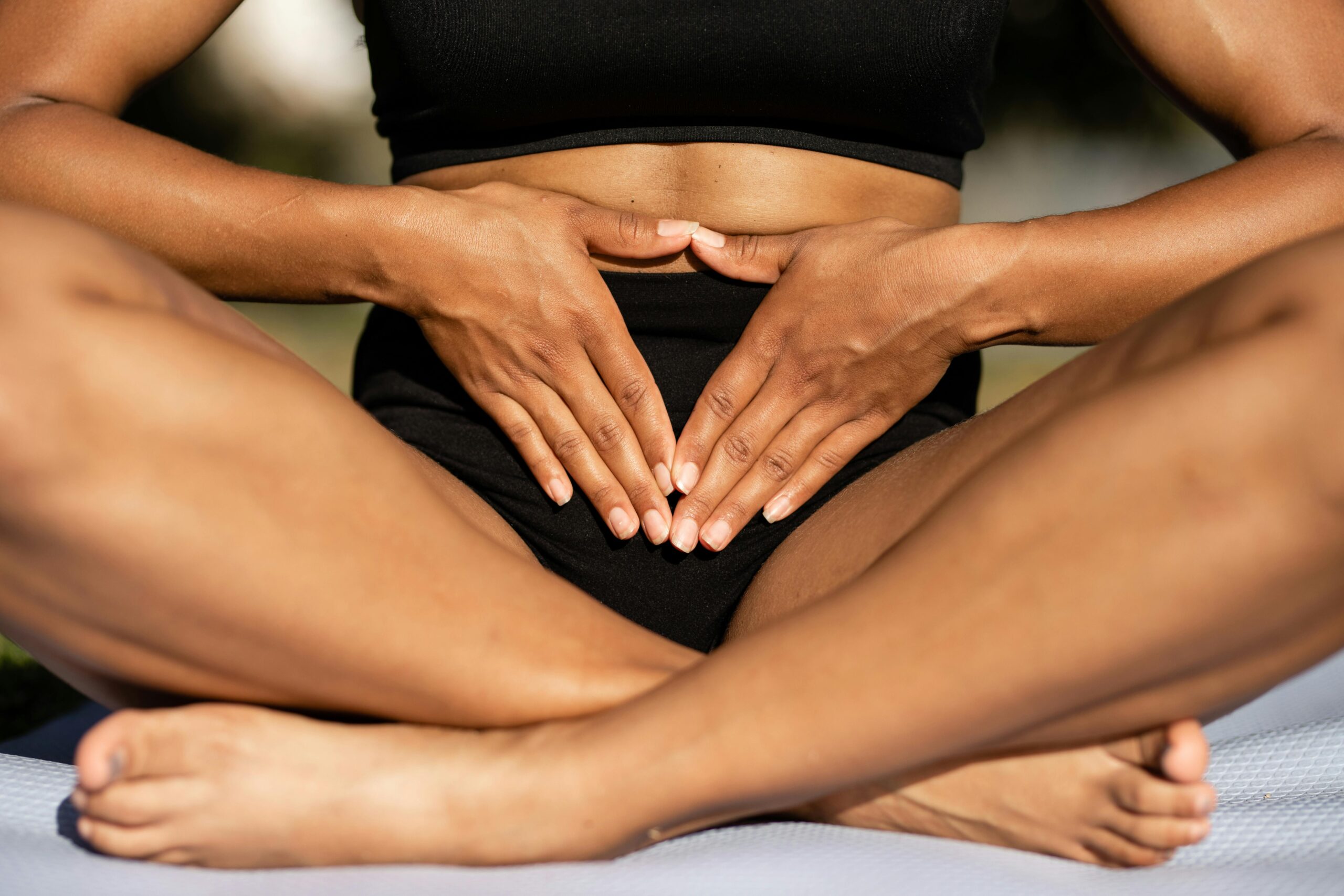
Also known as belly breathing, this foundational technique ensures you’re using your diaphragm properly rather than taking shallow chest breaths. Lie on your back or sit comfortably with your spine straight. Place one hand on your chest and the other on your abdomen. Inhale slowly through your nose, allowing your belly to rise while keeping your chest relatively still. Your abdomen should expand like a balloon filling with air.
Exhale slowly through pursed lips, feeling your belly fall. The hand on your chest should remain nearly stationary throughout. Practice this for five to ten minutes daily, and you’ll retrain your body’s default breathing pattern. Diaphragmatic breathing increases oxygen exchange efficiency, reduces the work of breathing, and promotes profound relaxation throughout your entire body.
Box Breathing: The Navy SEAL Technique for Stress Management
Used by elite military personnel, first responders, and high-performance athletes, box breathing creates mental clarity during high-pressure situations. Visualize a square as you breathe. Inhale through your nose for four counts, imagining traveling up one side of the box. Hold your breath for four counts, moving across the top. Exhale for four counts, descending the opposite side. Hold empty for four counts, completing the square along the bottom.
This technique balances oxygen and carbon dioxide levels in your blood while training your nervous system to remain calm under pressure. The equal duration of each phase creates a rhythmic pattern that’s deeply soothing to both mind and body. Box breathing can be practiced anywhere—before important meetings, during anxious moments, or as part of your daily meditation routine.
💫 Advanced Techniques for Deeper States of Calm
Alternate Nostril Breathing: Balancing Your Energy Channels
This yogic practice, known as Nadi Shodhana in Sanskrit, balances the left and right hemispheres of your brain. Sit comfortably with your spine erect. Using your right hand, fold your index and middle fingers toward your palm. Place your thumb beside your right nostril and your ring finger beside your left nostril. Close your right nostril with your thumb and inhale slowly through your left nostril. At the peak of inhalation, close your left nostril with your ring finger, release your thumb, and exhale through your right nostril.
Inhale through your right nostril, then close it and exhale through your left. This completes one cycle. Continue alternating for five to ten minutes. Practitioners report enhanced mental clarity, reduced anxiety, and a profound sense of balance after regular practice. This technique is particularly effective before meditation or when you need to calm racing thoughts.
Coherent Breathing: Finding Your Optimal Rhythm
Also called resonant breathing, this technique involves breathing at a rate of five breaths per minute—inhaling for five seconds and exhaling for five seconds. This specific rhythm maximizes heart rate variability, a key indicator of nervous system health and resilience. The practice creates coherence between your heart, breath, and brain rhythms, producing a state of optimal physiological functioning.
Set a timer for ten to twenty minutes and maintain this steady rhythm. Many people find using a breathing app helpful for maintaining the precise timing. The simplicity of coherent breathing makes it ideal for longer practice sessions, and its effects compound significantly with consistent daily practice.
🌟 Creating Your Personal Breathing Practice
Establishing a consistent breathing practice transforms occasional relief into lasting change. Start small—commit to just five minutes daily rather than ambitious goals you won’t maintain. Morning practice sets a calm tone for your entire day, while evening sessions prepare your body for restorative sleep. However, the best time is whenever you’ll actually do it consistently.
Create a dedicated space for your practice, even if it’s just a specific chair or cushion. This spatial anchor signals to your brain that it’s time to shift into relaxation mode. Remove distractions by silencing your phone and informing others not to disturb you. Consider using gentle background sounds like nature recordings or binaural beats to deepen your experience.
Track your practice in a journal, noting which techniques you used, duration, and how you felt before and after. This awareness helps you discover which methods work best for your unique physiology and circumstances. Notice patterns—perhaps box breathing works better for pre-presentation nerves while 4-7-8 technique helps more with insomnia.
🎯 Breathing Techniques for Specific Situations
Instant Anxiety Relief
When panic strikes, your breath becomes rapid and shallow, perpetuating the anxiety cycle. Break this pattern with extended exhale breathing. Inhale normally through your nose, then exhale for twice as long through your mouth. For example, inhale for three counts and exhale for six counts. The extended exhale activates your parasympathetic nervous system more powerfully than any other breathing component, providing rapid anxiety relief.
Better Sleep Through Breathing
Insomnia often stems from an overactive mind and activated nervous system. The 4-7-8 technique works exceptionally well for sleep onset, as the breath-holding component prevents racing thoughts while the extended exhale promotes deep relaxation. Practice while lying in bed, and don’t be surprised if you drift off before completing four cycles. The technique becomes more effective with repetition as your body learns to associate the pattern with sleep.
Managing Chronic Pain
Breath awareness can significantly reduce pain perception by shifting attention and activating your body’s natural pain management systems. Try breath counting meditation: inhale normally, then count “one” on the exhale. Inhale again, count “two” on the exhale. Continue to ten, then restart. When pain sensations arise, simply notice them without judgment and return attention to your breath and counting.
Enhancing Focus and Mental Clarity
Before tasks requiring concentration, practice coherent breathing for three to five minutes. This optimizes oxygen delivery to your brain while creating mental coherence. The rhythmic pattern helps clear mental clutter, leaving you focused and alert without the jittery energy of caffeine.
🌈 Common Obstacles and How to Overcome Them
Many beginners report feeling lightheaded when starting breathing practices. This typically results from over-breathing or forcing the breath too intensely. Remember that these techniques emphasize control and smoothness rather than power. If dizziness occurs, return to normal breathing and approach the practice more gently. Start with shorter sessions and gradually increase duration as your body adapts.
Some people experience increased anxiety when first focusing on their breath, particularly those with trauma histories. If this happens, try keeping your eyes open or focusing on external sounds instead of internal sensations. You might also benefit from starting with movement-based practices like walking meditation before sitting practices. There’s no single right way—adapt techniques to suit your needs.
Difficulty maintaining focus is universal, not a personal failing. Your mind will wander repeatedly, and that’s completely normal. The practice isn’t about perfect concentration but rather about noticing when you’ve drifted and gently returning attention to your breath. Each return strengthens your attention muscles, making the practice itself rather than the wandering the “failure.”
⚡ Integrating Breathwork Into Daily Life
The true power of breathing techniques emerges when they become woven into your daily routine rather than isolated practices. Set breath reminders on your phone to pause for three deep breaths every few hours. This micro-practice keeps your nervous system balanced throughout the day, preventing stress accumulation.
Use environmental triggers as breathing cues. Every time you stop at a red light, practice box breathing. When washing your hands, synchronize your breath with the water flow. During your commute, practice alternate nostril breathing if you’re not driving. These habit-stacking strategies make breathwork automatic rather than requiring willpower.
Teach these techniques to family members, creating a shared language for managing household stress. When tensions rise, anyone can suggest a “breathing moment,” shifting the entire family dynamic. Children especially benefit from learning these skills early, developing emotional regulation capacities that serve them throughout life.
🔮 The Long-Term Transformation of Regular Practice
While breathing techniques provide immediate relief, their most profound benefits emerge through consistent long-term practice. After several weeks of daily practice, most people notice baseline anxiety levels decreasing. Situations that previously triggered strong stress responses become more manageable. Sleep quality typically improves, as does overall emotional resilience.
Many practitioners report enhanced self-awareness—they notice stress building earlier and intervene before it becomes overwhelming. This growing mindfulness often extends beyond breath awareness into other life areas, improving decision-making, relationships, and overall life satisfaction. The breath becomes an anchor, a reliable tool for navigating life’s inevitable challenges.
Physical benefits accumulate as well. Regular deep breathing can lower blood pressure, improve cardiovascular health, enhance immune function, and reduce chronic inflammation. Athletes discover improved performance through better oxygen utilization and enhanced mind-body connection. The simple act of breathing consciously becomes a foundation for holistic wellbeing.

🌿 Your Journey Toward Breath-Induced Peace Begins Now
You’ve now explored the transformative landscape of breathing techniques, from fundamental practices to advanced methods for specific situations. The knowledge alone, however, creates no change. Transformation requires practice, patience, and persistence. Your breath has been with you since your first moment and will remain until your last—it’s the most faithful companion you’ll ever have.
Start today with just one technique that resonated with you. Commit to practicing it for five minutes daily for the next week. Notice what changes, however subtle. Trust the process even when results aren’t immediately obvious—the nervous system requires time to recalibrate. Remember that every breath is an opportunity to choose calmness over chaos, presence over distraction, peace over anxiety.
The power to transform your mental and physical state already exists within you, requiring no special equipment, expensive treatments, or external dependencies. Your breath is always available, always free, always effective. In a world that constantly demands more, faster, and louder, the revolutionary act of breathing deeply and consciously reclaims your innate capacity for peace. Take a deep breath right now and feel the calmness that’s always been there, waiting for your return. 🌬️