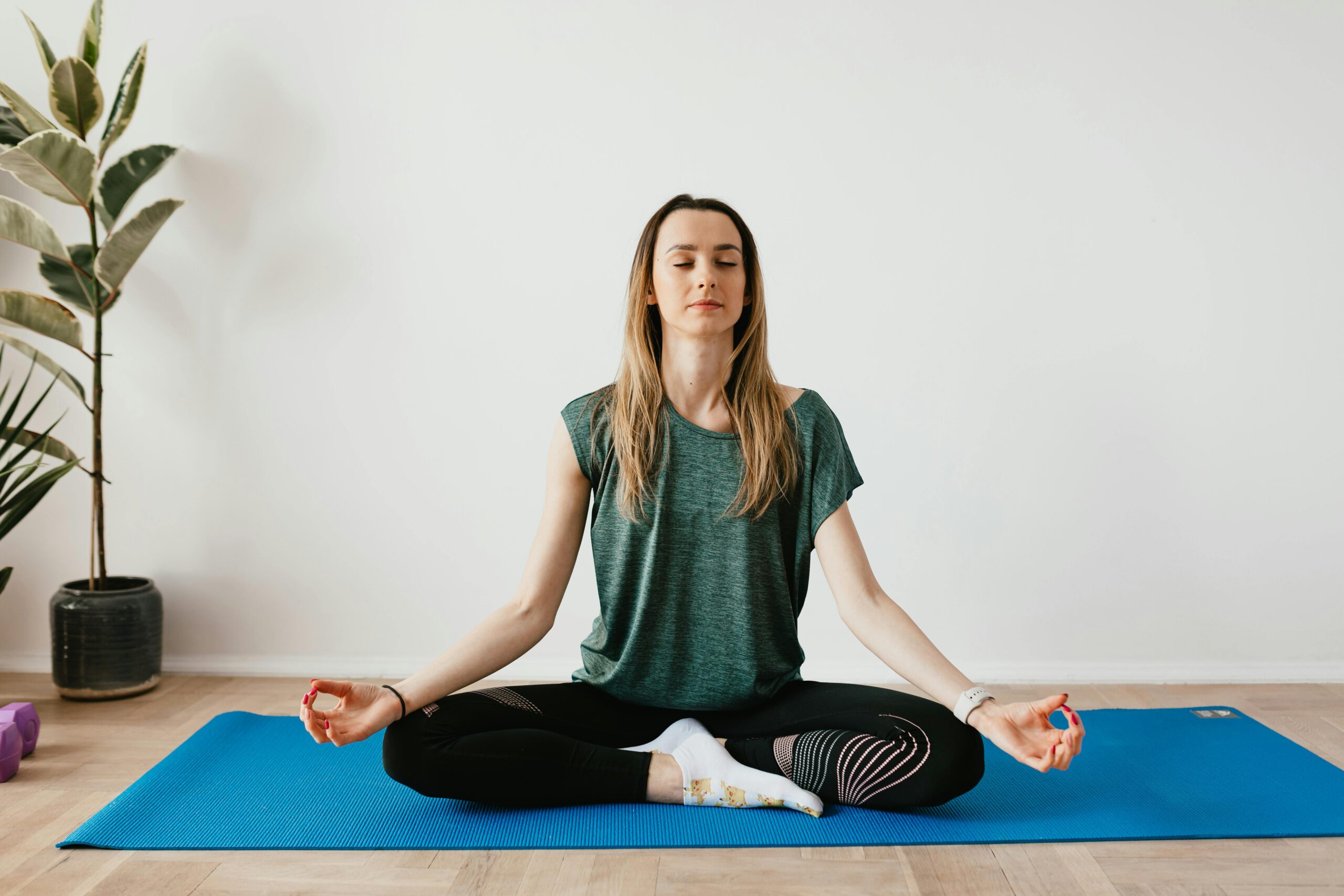
Breathing is something we do thousands of times a day without thinking, yet when we bring conscious awareness to our breath, we unlock extraordinary potential for transformation.

In our fast-paced modern world, stress, anxiety, and mental fog have become unwelcome companions in daily life. While countless wellness techniques promise relief, one of the most powerful tools has been with us all along: rhythmic breath awareness. This ancient practice, now validated by modern science, offers a pathway to enhanced well-being, sharper mental clarity, and a deeper connection to our inner selves.
Rhythmic breath awareness isn’t just about breathing slowly or deeply—it’s about creating intentional patterns that harmonize your body and mind. When practiced consistently, this technique can reduce cortisol levels, improve focus, regulate emotions, and even strengthen immune function. The beauty of this practice lies in its simplicity and accessibility; you need no equipment, no special location, and no previous experience to begin.
🌬️ Understanding the Science Behind Rhythmic Breathing
Before diving into techniques, it’s essential to understand why rhythmic breath awareness works so effectively. Your breath is intimately connected to your autonomic nervous system, which controls involuntary bodily functions including heart rate, digestion, and stress responses.
When you breathe rapidly and shallowly—as often happens during stress—you activate your sympathetic nervous system, triggering the “fight or flight” response. Your heart races, muscles tense, and stress hormones flood your system. Conversely, slow, rhythmic breathing activates your parasympathetic nervous system, initiating the “rest and digest” state that promotes healing, relaxation, and mental clarity.
Research published in the Journal of Neurophysiology demonstrates that controlled breathing directly influences brain regions responsible for emotion, attention, and body awareness. Specifically, rhythmic breathing affects the amygdala (your emotional processing center) and prefrontal cortex (responsible for decision-making and focus), creating measurable changes in brain activity within minutes of practice.
Additionally, rhythmic breathing influences heart rate variability (HRV), a key indicator of physical and mental resilience. Higher HRV correlates with better stress management, improved cardiovascular health, and enhanced cognitive performance. By establishing consistent breathing patterns, you can train your nervous system to become more adaptable and resilient.
The Fundamental Principles of Rhythmic Breath Awareness
Rhythmic breath awareness rests on several foundational principles that distinguish it from ordinary breathing or sporadic deep breaths taken during stressful moments.
Intentionality and Presence
The practice begins with bringing conscious attention to your breath. Rather than letting your breathing happen automatically, you deliberately observe and guide each inhalation and exhalation. This intentionality shifts you from passive to active participation in your physiological state, creating a powerful mind-body connection.
Pattern and Rhythm
Establishing a consistent rhythm is central to this practice. Whether you’re counting breaths, matching breath to movement, or following specific timing patterns, the regularity creates predictability that your nervous system responds to positively. This rhythmic quality resembles the natural rhythms found throughout nature—ocean waves, circadian cycles, and heartbeat patterns—which our bodies inherently recognize and align with.
Balance Between Effort and Ease
Effective breath awareness requires finding the sweet spot between control and relaxation. You’re guiding your breath without forcing it, maintaining awareness without tension. This balanced approach prevents the practice from becoming another source of stress while still providing structure and intention.
✨ Core Techniques to Begin Your Practice
Starting a rhythmic breath awareness practice doesn’t require complicated instructions or extensive training. Here are several foundational techniques that anyone can implement immediately.
Box Breathing: The Foundation Technique
Box breathing, also called square breathing, is one of the most accessible and effective rhythmic breathing patterns. Used by Navy SEALs and elite athletes, this technique involves equal counts for each phase of breathing.
Begin by inhaling through your nose for a count of four. Hold your breath for four counts. Exhale through your nose or mouth for four counts. Hold empty for four counts. Then repeat the cycle. This equal distribution creates balance and stability in your nervous system, making it particularly effective for managing acute stress or preparing for challenging situations.
As you become comfortable with four-count box breathing, you can extend to five or six counts per phase, depending on your lung capacity and comfort level. The key is maintaining consistency rather than maximizing duration.
4-7-8 Breathing: The Relaxation Method
Developed by Dr. Andrew Weil and based on ancient yogic practices, 4-7-8 breathing emphasizes extended exhalation to activate deep relaxation responses. This technique is particularly valuable for reducing anxiety, preparing for sleep, or recovering from stressful situations.
Inhale quietly through your nose for a count of four. Hold your breath for seven counts. Exhale completely through your mouth for eight counts, making a whooshing sound. The extended exhalation and breath retention stimulate the vagus nerve, which plays a crucial role in activating your body’s calming mechanisms.
Coherent Breathing: The Optimal Rhythm
Coherent breathing involves breathing at a rate of approximately five breaths per minute—inhaling for six seconds and exhaling for six seconds. This specific rhythm maximizes heart rate variability and creates coherence between your heart, breath, and brain rhythms.
This technique requires no breath holding, making it sustainable for extended practice sessions. Many practitioners use coherent breathing as their primary daily practice, sitting for 10-20 minutes with this gentle, balancing rhythm.
💡 Practical Integration Into Daily Life
The true power of rhythmic breath awareness emerges when you weave it into your everyday routines rather than treating it as an isolated practice. Here’s how to seamlessly integrate breathwork throughout your day.
Morning Activation
Begin your day with three to five minutes of energizing breath practice. Try a slightly faster rhythm or incorporate brief breath retentions after inhalation to invigorate your system. This morning practice sets a calm yet alert tone for the hours ahead, replacing the jolt of caffeine with sustainable energy from within.
Transition Moments
Use rhythmic breathing during natural transition points in your day: before leaving home, upon arriving at work, before meetings, or when switching between tasks. Even three conscious breaths with consistent rhythm can recalibrate your nervous system and sharpen your focus for what comes next.
Stress Response Protocol
When you notice stress signals—tension, racing thoughts, irritability, or anxiety—immediately shift to box breathing or 4-7-8 breathing. Rather than letting stress escalate, you intercept the pattern at its onset. Over time, this creates new neural pathways, making calm your default response rather than reactivity.
Evening Wind-Down
Establish an evening breathwork routine to signal to your body that it’s time to transition toward rest. Coherent breathing or 4-7-8 breathing practiced 30-60 minutes before bed improves sleep quality by reducing nighttime cortisol levels and calming mental activity.
🧠 Mental Clarity Benefits and Cognitive Enhancement
Beyond stress reduction and relaxation, rhythmic breath awareness offers profound benefits for cognitive function and mental performance. Understanding these mechanisms helps motivate consistent practice.
Enhanced Focus and Concentration
Rhythmic breathing increases oxygen delivery to your brain while simultaneously training your attention. The act of maintaining awareness of breath patterns strengthens your concentration muscles, similar to how lifting weights strengthens physical muscles. Studies show that just 10 minutes of breath-focused meditation improves sustained attention for hours afterward.
Emotional Regulation and Resilience
Regular practice creates space between stimulus and response—that crucial gap where choice exists. When you’ve trained your nervous system through rhythmic breathing, you’re less likely to react impulsively to challenges. Instead, you respond thoughtfully, accessing higher-order thinking even in difficult situations.
Memory and Learning Enhancement
Proper oxygenation and reduced stress hormones create optimal conditions for memory formation and information retention. Research indicates that brief breathing exercises before learning new information or before recall (such as before exams) significantly improves performance.
Creative Problem-Solving
The relaxed yet alert state induced by rhythmic breathing facilitates divergent thinking—the ability to generate creative solutions and see novel connections. Many innovators and artists incorporate breathwork before creative sessions to access flow states more readily.
🔄 Creating Your Personalized Practice
While foundational techniques provide structure, the most sustainable practice is one tailored to your unique needs, preferences, and lifestyle.
Assessing Your Starting Point
Begin by observing your natural breathing patterns without judgment. Is your breathing shallow or deep? Rapid or slow? Primarily chest-based or belly-based? This awareness provides baseline information that helps you choose appropriate techniques.
Setting Realistic Intentions
Rather than ambitious goals that lead to abandonment, start small. Commit to just two minutes daily for the first week. Once this becomes habitual, gradually extend duration. Consistency matters far more than length—five minutes daily yields greater benefits than occasional 30-minute sessions.
Tracking Progress and Adjusting
Keep a simple practice journal noting duration, technique used, and observations about your physical and mental state. Over time, patterns emerge showing which techniques serve you best in different contexts. This data-driven approach prevents practicing blindly and helps optimize your routine.
Overcoming Common Obstacles
Many beginners encounter similar challenges: forgetting to practice, feeling too busy, experiencing discomfort with extended breath holds, or feeling self-conscious. Address these proactively by setting phone reminders, linking practice to existing habits (like morning coffee), modifying techniques to your comfort level, and finding private spaces where you can practice without distraction.
Advanced Applications and Deepening Practice 🌟
Once you’ve established a consistent foundation, consider exploring advanced applications that magnify the benefits of rhythmic breath awareness.
Combining Breath with Movement
Practices like yoga, tai chi, and qigong synchronize breath with physical movement, creating profound mind-body integration. Even simple practices like walking while maintaining conscious breath rhythm can deepen your experience and make longer practice sessions more engaging.
Breath Awareness During Challenging Activities
Apply rhythmic breathing during difficult conversations, public speaking, athletic performance, or any high-pressure situation. This transforms breathwork from a isolated practice into a functional life skill that enhances performance across domains.
Extended Practice Sessions
While brief daily practice provides significant benefits, occasional extended sessions (20-45 minutes) allow you to access deeper states of relaxation and insight. These longer practices can be transformative, often producing breakthrough moments in understanding yourself and your patterns.
Exploring Breath-Related Technologies
Various applications and devices can support your practice by providing timing cues, tracking consistency, and offering guided sessions. While not necessary, these tools can enhance accountability and provide structure, especially for beginners.
The Ripple Effect: Beyond Individual Benefits
The transformation that rhythmic breath awareness creates extends beyond personal well-being, influencing your relationships, work performance, and overall life satisfaction.
When you regulate your nervous system effectively, you become less reactive and more present with others. Conversations deepen. Conflicts resolve more easily. Empathy increases because you’re not consumed by your own stress responses. Colleagues and family members often notice positive changes in your demeanor even before you mention your practice.
Professional performance typically improves as well. Enhanced focus, better stress management, and improved emotional regulation translate directly to workplace effectiveness. Decision-making becomes clearer. Creativity flows more readily. Energy remains more stable throughout the day rather than following the typical mid-afternoon crash pattern.
Perhaps most significantly, consistent practice cultivates a sense of agency over your internal state. Rather than feeling victimized by stress, anxiety, or mental fog, you possess practical tools to shift your experience. This empowerment creates upward spirals of positive change across all life areas.
🎯 Sustaining Your Practice Long-Term
The challenge isn’t learning breathwork techniques—it’s maintaining consistent practice over weeks, months, and years. Here are strategies that support long-term sustainability.
Building Identity Around Practice
Rather than viewing breathwork as something you do, begin seeing it as part of who you are. “I’m someone who practices breath awareness” creates different motivation than “I should do breathing exercises.” This identity-level integration makes practice feel natural rather than obligatory.
Finding Community and Support
Whether through online groups, local meditation centers, or friends interested in similar practices, connecting with others reinforces commitment and provides inspiration during challenging periods. Sharing experiences and insights deepens understanding and maintains enthusiasm.
Celebrating Milestones and Progress
Acknowledge your consistency—30 days of practice, 100 total sessions, or noticeable improvements in stress management. These celebrations reinforce the behavior and provide motivation during inevitable plateaus.
Adapting as Life Changes
Your practice should evolve with your circumstances. During busy periods, maintain minimum viable practice—perhaps just three conscious breaths morning and evening. During spacious times, explore longer sessions and new techniques. This flexibility prevents all-or-nothing thinking that often leads to abandonment.

Your Breath, Your Power, Your Transformation 💫
Rhythmic breath awareness represents one of the most accessible yet profound practices available for improving well-being and mental clarity. Unlike many wellness interventions requiring equipment, instruction, or significant time investment, this practice is always available, requiring only your willingness to pay attention.
The breathing techniques outlined here—box breathing, 4-7-8 breathing, and coherent breathing—provide solid foundations. Yet the true practice transcends any specific technique. It’s about developing an ongoing relationship with your breath, learning its patterns, and discovering how to consciously influence your state through this fundamental life process.
As you begin or deepen your rhythmic breath awareness practice, remember that transformation unfolds gradually. You’re not seeking dramatic overnight changes but rather the accumulation of small improvements that compound over time. Each conscious breath trains your nervous system slightly more effectively. Each practice session strengthens neural pathways supporting calm and clarity.
The potential locked within you—the capacity for greater peace, sharper thinking, deeper presence, and enhanced resilience—awaits your attention. Your breath is the key. The only question is whether you’ll use it to unlock what’s already there, patiently waiting for your awareness.
Start today. Start now. Take three slow, rhythmic breaths and notice what shifts. That simple act is the beginning of a practice that can transform everything. Your breath has been with you your entire life. Now it’s time to harness its extraordinary power for the well-being and clarity you deserve.